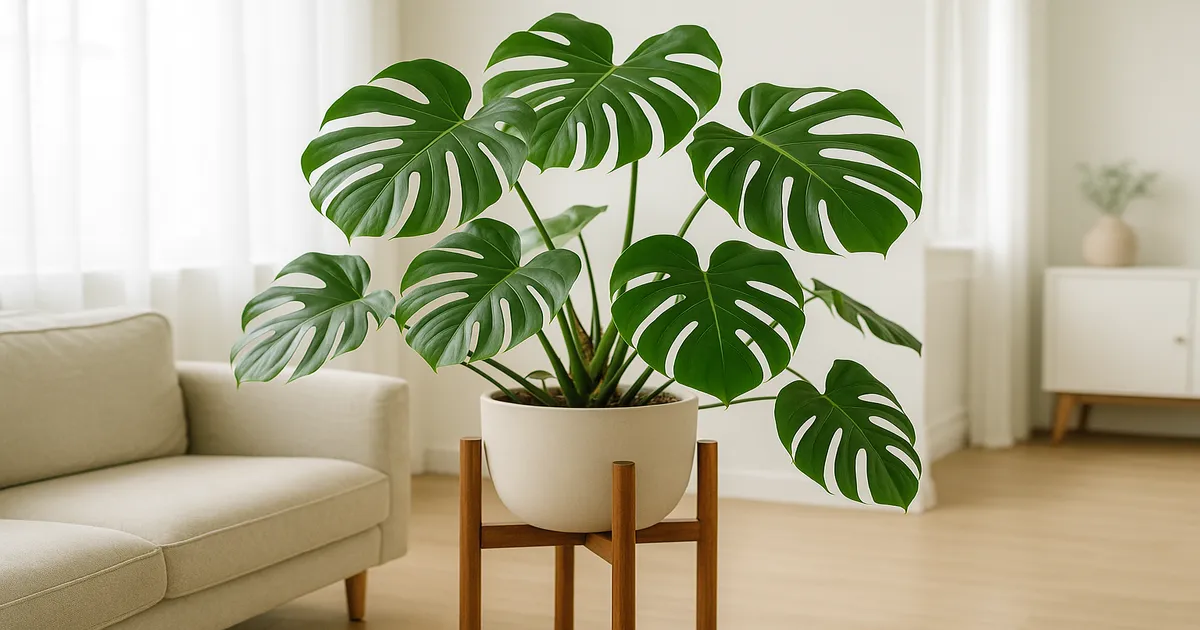
Quick Answer: A standard Monstera deliciosa typically costs $15–$250 depending on size, while variegated varieties like Albo and Thai Constellation range from $50 to $2,000+. How much you should pay — or ask — depends on variety, size, health, and where you buy. Read on for a full breakdown of every factor.
So you’re staring at a plant tag, a Facebook listing, or an Etsy shop and asking yourself: how much would you buy this Monstera deliciosa for? It’s a fair question with a genuinely complicated answer. The Swiss Cheese Plant spans one of the widest price ranges in the houseplant world — from a $12 juvenile at a big-box store to a $2,000 mature Albo specimen from a specialty grower. Here’s how to figure out what any given plant is actually worth.
How Much Does a Monstera Deliciosa Cost? Price Ranges at a Glance
| Plant Type | Typical Price Range |
|---|---|
| Standard green juvenile (4-inch pot) | $10–$25 |
| Standard green, 1–2 ft, some fenestration | $25–$80 |
| Standard green floor specimen (3–4 ft+) | $80–$250+ |
| M. deliciosa var. borsigiana | $10–$60 |
| Thai Constellation (small–medium) | $40–$150 |
| Albo Variegata (node cutting) | $50–$500+ |
| Albo Variegata (mature plant) | $300–$2,000+ |
| Aurea / Mint (collector tier) | $200–$2,000+ |
| Standard green node cutting | $5–$40 |
Four factors drive almost all of the variation: variety, size and maturity, plant health, and seller type. The sections below walk through each one.
Monstera Deliciosa Varieties and Their Market Prices
Standard Green Monstera Deliciosa
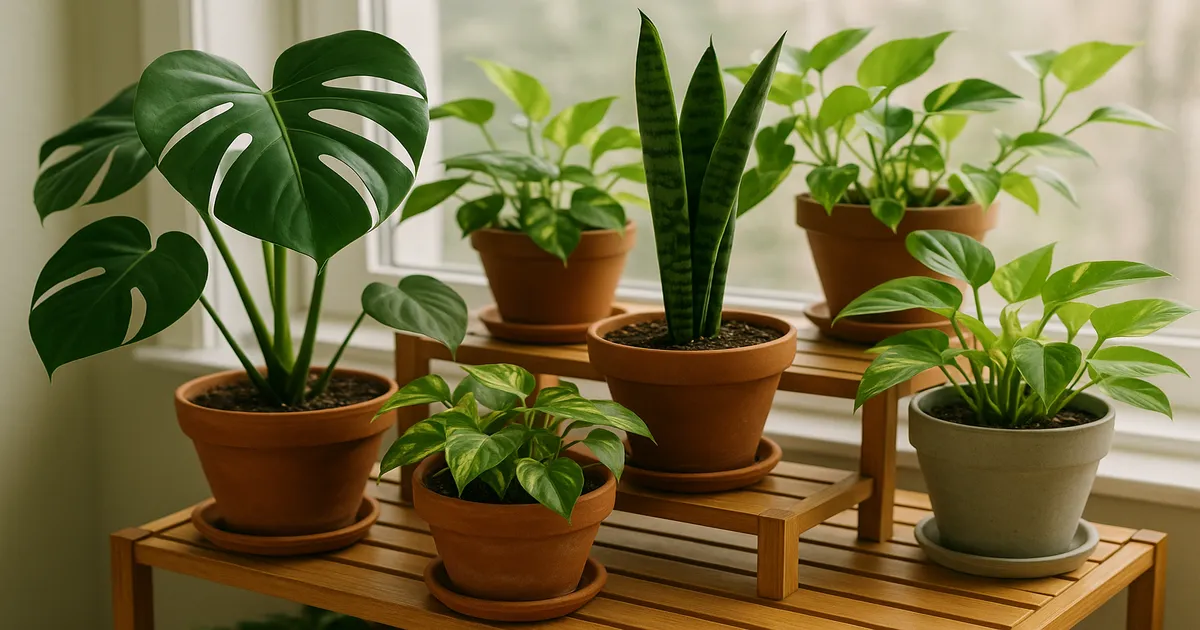
This is the classic — deep green, fenestrated leaves that grow more dramatic as the plant matures. It’s widely available, propagates reliably, and is the most affordable entry point into the genus. Expect to pay $15–$80 for a healthy potted plant, with floor specimens pushing $150–$250 or more.
Monstera Deliciosa var. Borsigiana
Borsigiana is frequently sold as standard deliciosa, which matters because it’s a distinct variety with smaller leaves, a faster growth rate, and a lower ceiling on mature size. If you’re paying full deliciosa prices for a borsigiana, you’re likely overpaying. The tell is the geniculum — the joint between the petiole and leaf blade. On true deliciosa it has a ruffled, wavy edge; on borsigiana it’s smooth.
Monstera Albo Variegata
The Albo is the most talked-about Monstera on the market. Its white-and-green variegation is caused by a chimeric mutation — sectors of cells that simply lack chlorophyll. Because this mutation is genetically unstable, it can’t be reproduced from seed and doesn’t propagate predictably from cuttings. Every cutting is essentially a one-of-a-kind gamble on how much white the next leaves will carry. That scarcity is why a single node cutting can fetch $50–$500, and a mature, heavily variegated plant can top $2,000.
Monstera Thai Constellation
Thai Constellation offers more predictable variegation — creamy speckles and splashes across the leaf, produced through tissue culture by a laboratory in Thailand. Because the genetics are stable and lab supply has scaled significantly since the pandemic peak, prices have dropped considerably. A small Thai Constellation that cost $200–$300 in 2021 now sells for $40–$100. It’s still a premium plant, but far more accessible than it once was.
Aurea and Mint: Collector-Tier Pricing
These are genuinely rare. Aurea carries golden-yellow variegation; Mint has a soft mint-green coloration in place of the standard deep green. Both are harder to find than Albo and command collector-tier prices — typically $200 to $2,000+ depending on size and variegation quality. If you see either listed at suspiciously low prices, verify the identification carefully before buying.
How Size and Maturity Affect Monstera Value
Young Monstera produce small, heart-shaped leaves with no holes — that’s completely normal, not a sign of a sick or mislabeled plant. Fenestration develops as the plant matures and begins to climb, driven by increased light exposure and the plant’s own developmental programming. More fenestration generally means more years of growth, which translates directly to higher value.
A rough size-based price ladder for standard green M. deliciosa:
- 4-inch pot, juvenile: $10–$25
- 6-inch pot, first splits appearing: $25–$50
- 1-gallon, partial fenestration: $40–$80
- 3–4 ft specimen, multiple fenestrated leaves: $80–$250+
- Large floor plant with aerial roots and moss pole: $150–$500+
Node Cuttings: What You’re Actually Paying For
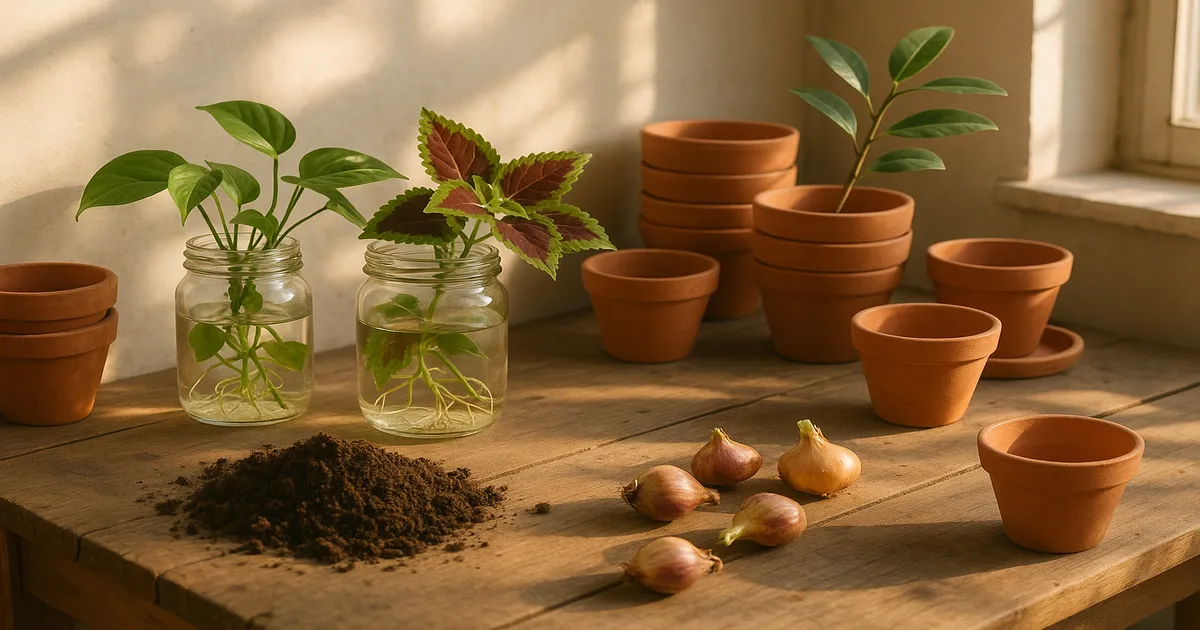
A node is the joint on the stem where a leaf and aerial root emerge. Each node contains meristematic tissue — the cells capable of generating a new plant. When buying a cutting, count the nodes: one node equals one potential plant, two nodes equals two, and so on. For standard green cuttings, a single node with a leaf runs $5–$20. For Albo, that same single node can easily reach $100–$300 depending on the variegation quality of the attached leaf.
Floor Specimens and Moss Pole Plants
A large Monstera with a moss pole already installed isn’t just aesthetically impressive — it’s functionally more valuable. Aerial roots attached to a moss pole or coco coir totem deliver additional moisture and nutrients directly to the stem, and the climbing posture triggers larger, more fenestrated leaves. You’re paying for years of growth and the infrastructure that accelerates future development. Installing a quality moss pole is one of the highest-return investments you can make in a Monstera’s long-term value.
Plant Health Signals That Add or Subtract Value
Signs of a Healthy, Full-Price Monstera
A plant worth full market price should have:
- Firm, turgid leaves with no wilting or drooping
- Deep, even green color (or clean, defined variegation for cultivars)
- No visible pests — check the undersides of leaves carefully
- White to tan, firm roots when inspected
- Well-draining soil that isn’t waterlogged or bone dry
Red Flags That Should Lower the Asking Price
These are negotiating points, not necessarily deal-breakers — but each one should reduce what you pay by 30–70%:
- Yellowing leaves: Overwatering, root rot, or nitrogen deficiency
- Brown, crispy edges: Low humidity (below 40%) or fertilizer salt buildup
- Leggy, small-leafed growth: Insufficient light, likely below 200 foot-candles
- Stippling, webbing, or sticky residue: Active pest infestation (spider mites, scale, mealybugs)
- Mushy stem base: Advanced root rot — often fatal and expensive to treat
How to Inspect Roots Before Buying
Ask the seller to unpot the plant, or gently do it yourself at a nursery. Healthy roots are white to cream and firm to the touch. Brown, mushy roots indicate root rot caused by Pythium or Phytophthora — fungal pathogens that thrive in waterlogged, anaerobic soil. Root rot discovered after purchase is a significant hidden cost in time and treatment supplies, so don’t skip this step. Bringing a soil moisture meter along makes it easy to check drainage on the spot.
Where You Buy Changes the Price
Big-Box Garden Centers vs. Specialty Nurseries
Chain garden centers (Home Depot, Lowe’s, IKEA) typically carry standard green M. deliciosa at the lowest prices — often $12–$30 for a small plant. The trade-off is limited variety selection and variable plant quality. Boutique plant shops charge a 20–50% premium but generally offer better-curated stock and staff who can answer real questions.
Online Marketplaces: Etsy, Facebook, and Aroid Groups
Online platforms give you access to the widest variety selection, including rare cultivars you’d never find locally. The trade-offs are real: shipping stresses plants, adds $15–$40 in cost, and carries risk of damage. Browse sold listings on Etsy — not just asking prices — to see what plants actually clear at. Facebook Marketplace and specialty aroid groups on Facebook and Reddit can surface genuine deals, especially from hobbyist growers selling divisions at below-retail prices.
Why Provenance Matters for Rare Varieties
For variegated Monstera especially, documented lineage matters. A cutting from a grower who can show photos of the parent plant and its variegation history commands a 15–30% premium over an anonymous cutting — and that premium is often worth paying. Reverted Albo plants (those that have lost their variegation) are sometimes sold at full variegated prices, either through ignorance or bad faith. If you can’t verify the variegation on multiple leaves and the parent plant, proceed cautiously.
Seasonal Timing: When to Buy and When to Sell
Spring is the best time to buy. Plants are coming out of winter dormancy and will establish quickly, pushing new growth within weeks. Summer is peak growth season — Monstera can push one to two new leaves per month under bright indirect light (1,500–3,000 foot-candles) and 60–70% humidity.
Prices on rare varieties tend to dip slightly in autumn as the spring/summer buying frenzy subsides, which is a genuine opportunity for patient buyers. Winter brings the lowest prices overall, as sellers discount plants they’d rather not overwinter. The catch is shipping risk: cold damage during transit can destroy a cutting’s value entirely. Always factor in a heat pack for any winter online purchase, and check the seller’s cold-weather shipping policy before committing.
How Much Would You Buy This Monstera Deliciosa For? A Buyer’s Checklist
Before you pay, work through this list:
- Inspect leaves under bright light for stippling, webbing, or sticky residue
- Check roots — white and firm is good; brown and mushy means root rot
- Test soil moisture with a meter; a reading above 7 on a 1–10 scale in a plant that hasn’t been recently watered suggests drainage problems
- Count nodes on any cutting before agreeing to a price
- Verify variety against reference images — Albo has clean white sectors, Thai Constellation has creamy speckles
- Request parent plant photos for any variegated cutting
How Sellers Can Maximise Value Before Listing
A little preparation goes a long way. Clean leaves with a diluted neem oil solution (1 tsp per quart of water) to remove dust and add a healthy sheen. Repot into fresh aroid mix four to six weeks before listing to allow re-establishment, (Burpee Natural & Organic Premium Potting Mix) then fertilize at half-strength during the growing season to improve leaf color and vigor — stopping two weeks before shipping. Photograph in bright indirect light to show true leaf color and fenestration detail, and document everything: pot size, plant height, leaf count, node count, and — for variegated plants — the percentage of variegation on each leaf.
Maintaining Your Monstera’s Value Through Proper Care
Good care is how you protect — and grow — your investment. Target bright indirect light at 1,500–3,000 foot-candles, and water when the top 1–2 inches of soil are dry (a moisture meter reading of 3–4 before watering is a reliable guide). Keep humidity between 50–70% and temperature between 65–85°F.
Use a well-draining aroid mix with 20–30% perlite, orchid bark, and coco coir at a target pH of 5.5–6.5. Fertilize at half-strength every two to four weeks during the growing season; cut back to monthly or stop entirely in winter. Repot every one to two years, and never jump more than two pot sizes — excess soil holds moisture and invites root rot.
Finally, check the undersides of leaves every month without fail. Spider mites leave fine stippling and webbing; thrips cause silver streaking and black frass; mealybugs cluster as white cottony masses. Catching an infestation early is the difference between a quick treatment and a months-long battle that drops your plant’s resale value by 30–70%.
Frequently Asked Questions
How much does a Monstera deliciosa cost at a garden center?
At a chain garden center like Home Depot or Lowe’s, a small Monstera deliciosa in a 4- to 6-inch pot typically costs $12–$30. Larger specimens in 1-gallon or 10-inch pots may run $40–$80. Selection is almost always limited to standard green plants — variegated varieties are rarely stocked.
Why is Monstera Albo Variegata so expensive?
Albo variegation is caused by a chimeric mutation — sections of cells that lack chlorophyll entirely. This mutation is genetically unstable, meaning it cannot be reproduced from seed and doesn’t propagate predictably from cuttings. Every Albo plant is essentially irreplaceable, which limits supply and drives prices to $50–$500+ for cuttings and $300–$2,000+ for mature plants.
Is Monstera Thai Constellation worth the price?
For most buyers, yes. Thai Constellation offers stable, predictable variegation at prices that have dropped significantly — a small plant now runs $40–$100 compared to $200–$300 at the 2021 peak. Because the variegation won’t revert, it’s a lower-risk entry into variegated Monstera collecting than Albo.
How do I know if a Monstera cutting is a good deal?
Count the nodes — each one is a potential new plant, so more nodes means more propagation value. Check that the cutting has at least one healthy node with visible meristematic tissue, and inspect the cut end for signs of rot. For variegated cuttings, request photos of the parent plant and compare the variegation pattern against reference images to confirm the variety.
What is the price difference between Monstera deliciosa and Monstera borsigiana?
Borsigiana typically sells for 20–40% less than true M. deliciosa at the same apparent size because it’s smaller, faster-growing, and more common. The problem is that borsigiana is frequently mislabeled. If the price seems low for a “deliciosa,” check the geniculum — a ruffled, wavy joint indicates true deliciosa; a smooth joint points to borsigiana.