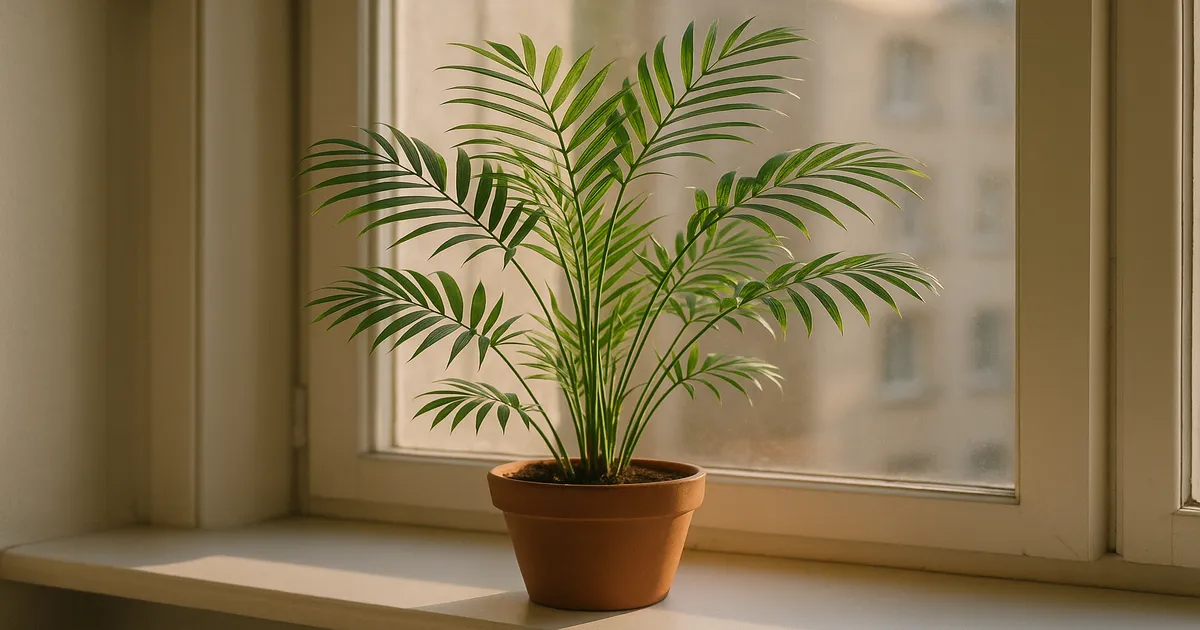
Quick Answer: Most growths on a Parlor Palm fall into one of three categories — pest infestations (scale, mealybugs, spider mites), fungal or disease problems (leaf spot, sooty mold, root rot), or completely normal plant structures like flower spikes and aerial roots. Identifying what you’re actually looking at is the first step, because the right fix depends entirely on the cause. Use the table below to match what you see to the most likely culprit.
If you’ve ever crouched down to examine your Chamaedorea elegans and wondered “what is this growing on my Parlor Palm?”, you’re not alone. It’s one of the most searched houseplant questions — and for good reason. The Parlor Palm’s dense fronds, preference for humidity, and tendency to produce unusual natural structures make it a magnet for both genuine problems and harmless false alarms. This guide covers every likely culprit so you can stop guessing and start fixing.
What Is Growing on My Parlor Palm? A Quick-Reference Guide
Identification Cheat Sheet: Pests vs. Fungi vs. Natural Structures
| What You See | Probable Cause | Urgency |
|---|---|---|
| Brown or tan bumps on stems/fronds | Scale insects | High — treat now |
| White cottony clumps in leaf axils | Mealybugs | High — treat now |
| Fine webbing + bronze stippling | Spider mites | High — treat now |
| Silver streaking + tiny black dots | Thrips | Medium |
| Tiny flies hovering over soil | Fungus gnats | Medium |
| Black powdery coating that wipes off | Sooty mold (secondary to pests) | High — find the pest first |
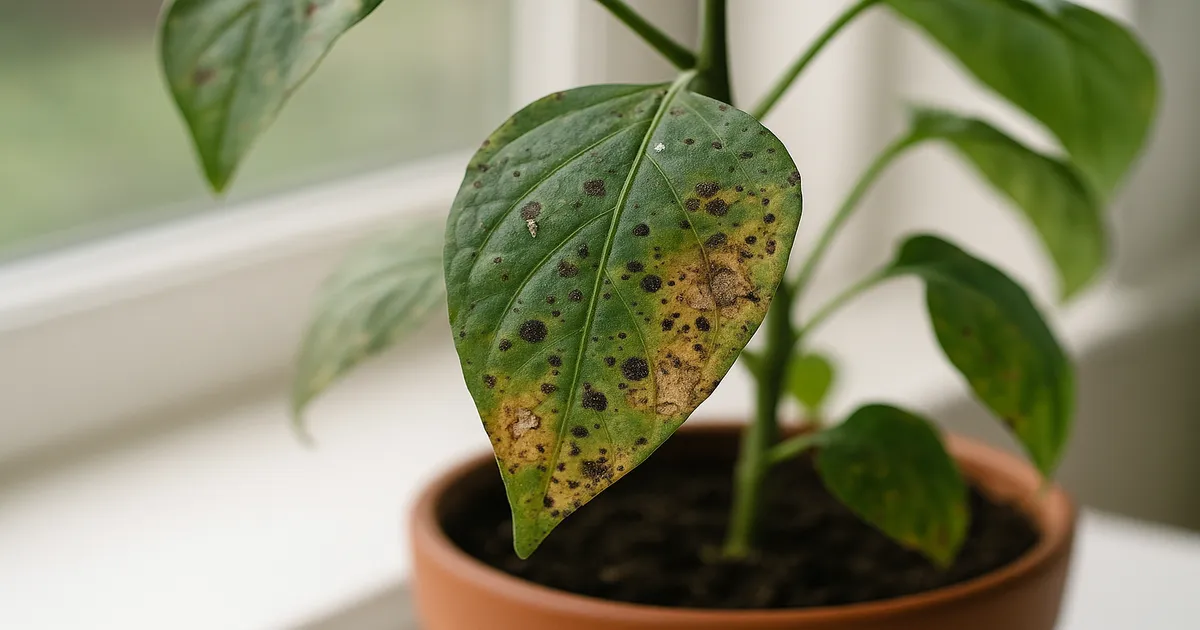
| Brown/black lesions with yellow halos | Fungal leaf spot | Medium |
| Mushy roots, wilting, soil mold | Root rot | Very high — act immediately |
| White talc-like coating on leaves | Powdery mildew | Medium |
| Yellow branching spike from stem | Flower spike — totally normal | None |
| Brown cork-like nubs at stem base | Aerial roots — totally normal | None |
| New shoots at soil level | Pups/offsets — totally normal | None |
| Green crust on soil surface | Algae — signals overwatering | Low/Monitor |
Pest Growths on a Parlor Palm: Insects and Mites
Scale Insects: Brown or White Waxy Bumps on Stems and Fronds
Scale insects are the most common pest on Parlor Palms. They appear as small brown, tan, or white bumps — 1 to 5 mm across — stuck to stems, petioles, and the undersides of fronds, often in clusters. Because they don’t move once they’ve settled, they’re easy to confuse with natural bark texture or mineral deposits.
The quickest confirmation is the fingernail-scrape test: drag your fingernail across a suspicious bump. Soft scale smears and reveals a soft body underneath; armored scale pops off as a hard shell with a dried insect inside. Either type needs treatment.
Left unchecked, soft scales excrete a sticky substance called honeydew. It drips onto lower leaves and feeds sooty mold — which is why a black coating on your fronds often signals a scale problem hiding above it.
Mealybugs: White Cottony Masses in Leaf Axils
Mealybugs look like tiny tufts of cotton wool, most often tucked into leaf axils, at the base of fronds, and along the stem. Their self-secreted waxy coating acts as armor against water and many contact sprays, making them stubborn to eliminate. Like scale, they produce honeydew and can trigger sooty mold. The white wax is sometimes mistaken for mineral deposits or powdery mildew — the key difference is that mealybug masses have a distinctly fluffy, three-dimensional texture.
Spider Mites: Fine Webbing and Stippled Leaves
Spider mites are tiny — only 0.3 to 0.5 mm — so you’ll usually notice the damage before you spot the mites themselves. Look for fine silky webbing across fronds and between leaflets, combined with bronze, silver, or speckled discoloration on the leaf surface. That stippling is caused by mites draining individual plant cells.
Try the white-paper tap test: hold a sheet of white paper under a frond and give it a sharp tap. Tiny moving dots on the paper confirm spider mites. They thrive when indoor air is warm and dry, so a heated room in winter is prime outbreak territory.
Thrips: Silver Streaking and Tiny Black Dots
Thrips are slender, 1–2 mm insects that are easier to identify by their damage than by sight. They leave silver or bronze streaking on frond surfaces, distorted new growth, and tiny black fecal specks across the leaves. Place a yellow sticky trap near the plant — adult thrips are drawn to yellow and will confirm their presence within a day or two.
Fungus Gnats: Tiny Flies and Larvae in the Soil
Adult fungus gnats — those small, mosquito-like flies hovering at the base of your plant — are annoying but mostly harmless. The real damage comes from their larvae, which live in the top 5–7 cm of potting mix and feed on root hairs. In a heavy infestation, that root damage can mimic early root rot, so it’s worth ruling out before you assume the worst.
Fungal and Disease Growths on Parlor Palm Leaves and Roots
Fungal Leaf Spot: Brown or Black Lesions with Yellow Halos
Fungal leaf spot (Helminthosporium and related species) produces water-soaked, brown or black lesions on fronds, usually ringed by a yellow halo. Spot centers may be tan or gray with a darker border, and in serious cases the spots merge into large dead patches. The trigger is almost always prolonged leaf wetness — overhead watering or a humid corner with no airflow are the usual culprits.
Sooty Mold: Black Powdery Coating That Wipes Off
Sooty mold is a secondary problem, not a primary infection. The black, powdery coating grows on honeydew left by scale or mealybugs — it doesn’t infect leaf tissue itself. You can wipe it off with a damp cloth, but it will return unless you eliminate the pest producing the honeydew. Always treat the underlying infestation first.
Root Rot: Mushy Roots, Wilting, and Soil Surface Mold
Root rot is caused by water molds (Phytophthora and Pythium — technically oomycetes, not true fungi) that thrive in waterlogged, poorly draining soil. Signs include yellowing and wilting fronds despite moist soil, a foul smell from the pot, and sometimes a white or gray mold on the soil surface. Healthy roots are white to tan and firm; rotted roots are brown or black and mushy.
Powdery Mildew: White Talc-Like Coating on Leaf Surfaces
Powdery mildew is less common on Parlor Palms but does occur. Unlike sooty mold, the white coating doesn’t wipe off cleanly — the mycelium is embedded in the leaf tissue. It tends to appear when humidity drops below 40%, combined with poor air circulation and moderate temperatures (18–24 °C / 65–75 °F). If the white coating smears rather than lifts off, suspect mildew over mold.
Natural Parlor Palm Structures Mistaken for Problems
Flower Spikes: Yellow Branching Growths Are Normal
That yellow or cream-colored branching spike emerging from between your leaf bases is an inflorescence — a flower spike — and it means your plant is healthy and mature. It develops into clusters of small yellow flowers, then orange-to-black berries. Parlor Palms typically need to be at least three to four years old and receiving bright indirect light (around 1,500–3,000 foot-candles) before they’ll flower indoors. No action needed.
Aerial Roots: Brown Nubs at the Stem Base
Brown, cork-like nubs appearing at the base of the stem or just above the soil line are adventitious roots — a completely normal adaptive behavior, especially in humid conditions. They look alarmingly like pest egg cases or early rot, but they’re firm and dry to the touch. Leave them alone. If they bother you aesthetically, cover them with a thin layer of fresh potting mix.
Pups and Offsets: New Shoots Emerging from the Soil
Small new palm shoots at the base of your plant are either pups from the original root system or, more commonly, additional seedlings planted in the same pot at the nursery to create a fuller look. They won’t harm the mother plant. Leave them in place or carefully separate and repot them once they have at least three fronds.
Algae on Parlor Palm Soil: What It Means
That green or blue-green film on your soil surface or pot rim is algae or cyanobacteria — not a fungus, and not a pest. It colonizes moist surfaces that receive some light, which is why it’s common on pots placed near a window. Scrape it off, reduce watering frequency, and improve drainage. On the stem, a thick algal coating can occasionally block lenticels (the small pores the plant uses for gas exchange), so wipe it off if it creeps up from the soil line. The real concern algae signals is consistent overwatering — far more damaging than the algae itself.
How to Treat Growths on Your Parlor Palm: Step-by-Step Fixes
Treating Scale Insects
- Isolate the plant immediately to prevent spread to other houseplants.
- Manual removal: Use a soft toothbrush or cotton swab dipped in 70% isopropyl alcohol to dislodge every visible scale.
- Neem oil spray: Mix a 2% neem oil solution with water and a few drops of dish soap as an emulsifier. Apply to all surfaces, including frond undersides.
- Repeat every 7–10 days for 3–4 cycles — eggs and juveniles survive the first round.
- Severe infestations: Apply imidacloprid-based systemic granules to the soil. Avoid this if the plant is flowering and accessible to pollinators.
Treating Mealybugs
- Dab individual clusters with a cotton swab soaked in 70% isopropyl alcohol — this dissolves the waxy coating and kills on contact.
- Follow up with insecticidal soap (2–3% potassium soap solution) every 5–7 days, covering all leaf axils thoroughly.
- Neem oil soil drench (1–2% solution) targets any mealybugs or eggs at the root zone.
- Plan for a minimum 4–6 week protocol — mealybug eggs are shielded by wax and survive early applications.
Treating Spider Mites
- Raise humidity to 50–60% using a humidifier — mites reproduce poorly above 60% RH.
- Shower the plant: Direct a strong stream of water at frond undersides to knock off mites and eggs.
- Apply neem oil every 5–7 days for 3–4 weeks as both a miticide and repellent.
- Severe infestations: Use a sulfur-based or abamectin-based miticide — standard insecticides are largely ineffective because mites are arachnids, not insects.
Treating Fungal Leaf Spot and Sooty Mold
- Leaf spot: Remove affected fronds with sterile scissors. Improve air circulation, switch to soil-level watering, and apply a copper-based fungicide every 10–14 days.
- Sooty mold: Wipe leaves with a damp cloth, then treat the underlying pest. The mold won’t return once the honeydew source is gone.
Treating Root Rot
- Unpot immediately and inspect all roots. Rotted roots are brown, black, and mushy; healthy roots are firm and white to tan.
- Prune all rotted material with sterile scissors, cutting back to healthy tissue.
- Root soak: Submerge remaining roots in a hydrogen peroxide solution (3% hydrogen peroxide diluted 1:4 with water) for 30 minutes to eliminate remaining pathogens.
- Repot into fresh, well-draining mix in a pot with drainage holes. Allow the top 2–3 cm of soil to dry between waterings going forward. A palm-specific or cactus-blend potting mix works well here.
Controlling Fungus Gnats
- Let the soil dry out — larvae can’t survive in dry conditions. Allow the top 5–7 cm to dry completely between waterings.
- Yellow sticky traps at soil level catch adults and reduce the breeding population.
- Beneficial nematodes (Steinernema feltiae) applied as a soil drench are highly effective against larvae without harming the plant.
- Hydrogen peroxide drench: 3% hydrogen peroxide diluted 1:4 with water, applied to the soil, kills larvae on contact.
Preventing Future Growths: Parlor Palm Care Best Practices
Water correctly. Always water at soil level — never overhead — and allow the top 2–3 cm of soil to dry between waterings. Use a pot with drainage holes and empty the saucer within 30 minutes so roots never sit in standing water.
Maintain humidity and airflow. Parlor Palms thrive at 50–60% relative humidity, which also discourages spider mites and powdery mildew. A small fan running a few hours a day dramatically reduces the wet-leaf conditions that trigger fungal leaf spot. Space plants so they’re not touching — stagnant air pockets between crowded plants are where problems start.
Quarantine new plants. Every new plant that enters your home is a potential pest vector. Keep new arrivals in a separate room for 2–4 weeks and inspect them thoroughly — especially leaf axils and stem bases — at the start and end of quarantine.
Inspect monthly. A five-minute check can prevent weeks of treatment. Flip fronds to inspect undersides, peer into leaf axils, and run your fingers along the stems. Early-stage scale or mealybug infestations are far easier to eliminate than established colonies.
Frequently Asked Questions About Growths on a Parlor Palm
Why does my Parlor Palm have sticky leaves with a black coating?
Sticky leaves combined with a black coating are the classic sign of sooty mold growing on honeydew — a sugary waste product excreted by sap-sucking insects. Scale or mealybugs are almost certainly the source. Wipe the mold off with a damp cloth, then inspect stems and fronds closely for brown bumps or white cottony clusters and treat the infestation directly. The mold won’t return once the honeydew source is gone.
Are the yellow flower spikes on my Parlor Palm a sign of disease?
No — yellow branching spikes emerging from between the leaf bases are flower inflorescences, a sign your plant is healthy and mature. No treatment is needed. The spikes will develop into small yellow flowers and eventually orange-to-black berries.
What are the white fluffy lumps on my Parlor Palm stems?
White, cottony masses on the stems or in leaf axils are almost certainly mealybugs. Their waxy coating gives them a fluffy, three-dimensional texture that distinguishes them from mineral deposits or powdery mildew. Treat with 70% isopropyl alcohol on a cotton swab, followed by repeated insecticidal soap or neem oil applications over four to six weeks.
How do I get rid of brown bumps on my Parlor Palm?
Brown bumps that don’t scrape off easily are likely scale insects. Use the fingernail-scrape test to confirm, then begin a treatment protocol: manual removal with an alcohol-soaked swab, followed by neem oil spray every 7–10 days for at least three to four cycles. For heavy infestations, systemic soil granules are the most reliable option.
Can I save a Parlor Palm with root rot?
Yes, if you act quickly. Unpot the plant, prune all mushy roots back to healthy tissue, soak the remaining roots in a diluted hydrogen peroxide solution for 30 minutes, and repot into fresh, well-draining mix. Reduce watering frequency going forward. Plants with fewer than 30% of roots affected generally recover well; those with widespread rot have a lower survival rate but are still worth attempting to save.