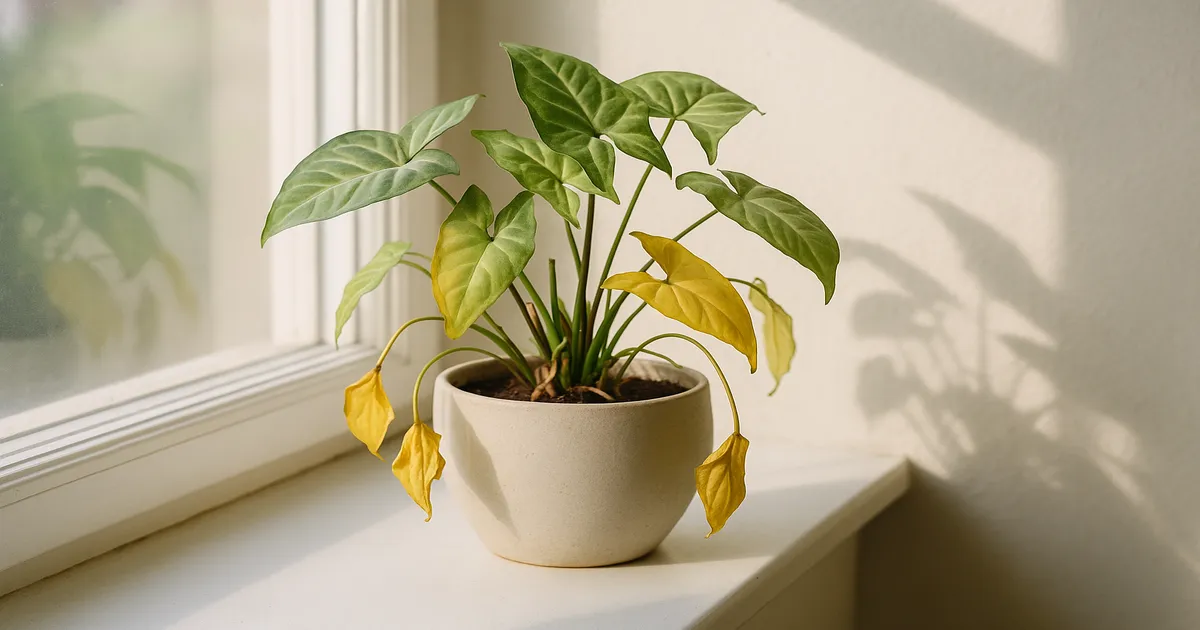
Quick Answer: If your syngonium (also searched as “sygonium” — same plant, different spelling) is drooping and yellowing, overwatering and root rot are the most likely culprits. But underwatering, low light, pests, and environmental stress can all cause the same symptoms. The fixes are very different, so correct diagnosis matters. This article walks you through all nine causes with clear distinguishing signs and step-by-step solutions.
Jump to your cause:
- Overwatering and root rot
- Underwatering / drought stress
- Inadequate light
- Root-bound conditions
- Nutrient deficiencies
- Pest infestation
- Temperature, humidity, and drafts
- Transplant shock
- Natural leaf senescence
Why Is My Syngonium Drooping and Yellowing? Start Here.
Syngonium’s Natural Habitat and What It Tells Us
The syngonium — also called arrowhead plant or arrowhead vine — is a tropical aroid native to the rainforest understories of Central and South America. In the wild, it grows in warm, humid air with dappled light, and its roots sit in rich, fast-draining soil that never stays waterlogged for long.
Bring that plant into the average home — dry air, inconsistent watering, light levels far below a rainforest floor — and you can see why it struggles. Its thin, broad leaves lose moisture quickly, so turgor loss (the internal water pressure that keeps leaves firm) happens fast. A stressed syngonium doesn’t suffer quietly; it droops and yellows almost immediately.
One quick note on spelling: the plant is correctly spelled Syngonium, not “sygonium.” Both spellings lead here, and both mean the same thing.
Toxicity note: Syngoniums contain calcium oxalate crystals and are toxic to cats and dogs. Keep them out of reach of pets.
Which Cultivars Are Most Vulnerable?
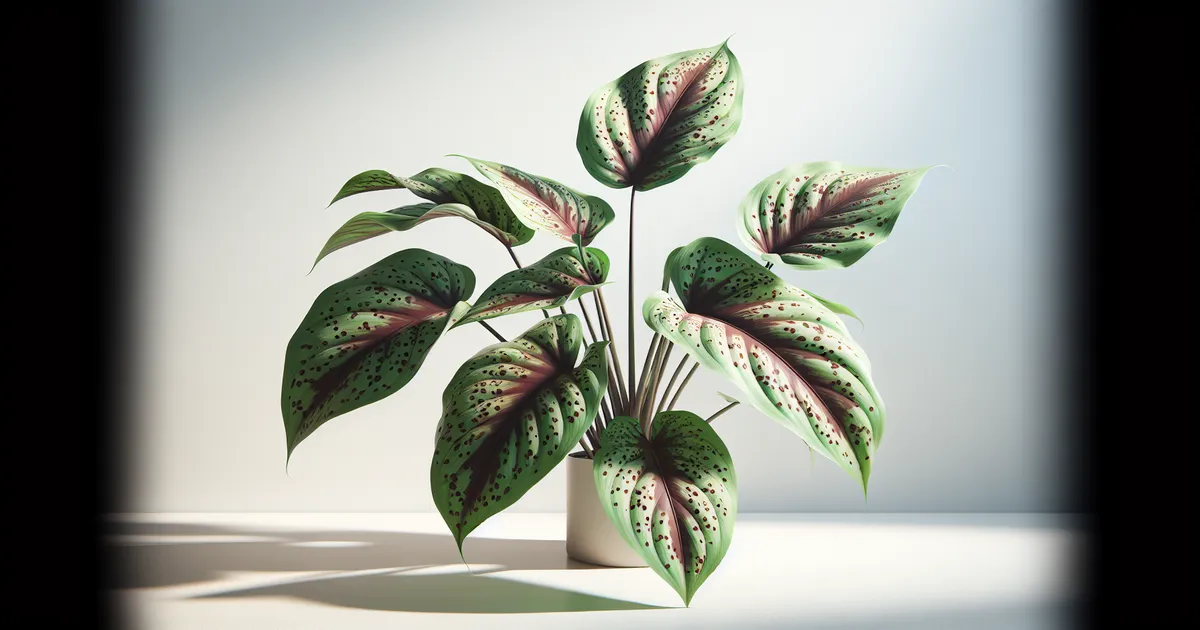
Most cultivated syngoniums are varieties of Syngonium podophyllum. Variegated cultivars — ‘White Butterfly’, ‘Albo Variegatum’, and ‘Neon Robusta’ — are more prone to yellowing under stress. Their white or pink leaf sections contain little to no chlorophyll, leaving them with less photosynthetic reserve to buffer difficult conditions. Any stressor shows up faster and more dramatically on these plants than on all-green varieties.
Overwatering and Root Rot: The Most Common Cause of a Drooping, Yellowing Syngonium
How Overwatering Causes Both Symptoms at Once
This is the single most common reason a syngonium droops and yellows simultaneously — and it’s counterintuitive. The plant wilts because the soil is too wet, not despite it. Waterlogged soil suffocates roots by cutting off their oxygen supply, a condition called root hypoxia. Dead and dying roots can’t transport water or nutrients upward, so the plant wilts even though the pot is soaking wet. Chlorophyll breakdown follows as nutrient uptake collapses.
Prolonged wet conditions also invite Pythium, Phytophthora, and Fusarium — the pathogens responsible for root rot — which accelerate the damage dramatically.
How to Tell If Your Syngonium Has Root Rot
- Soil feels wet or soggy several inches down
- The pot feels surprisingly heavy
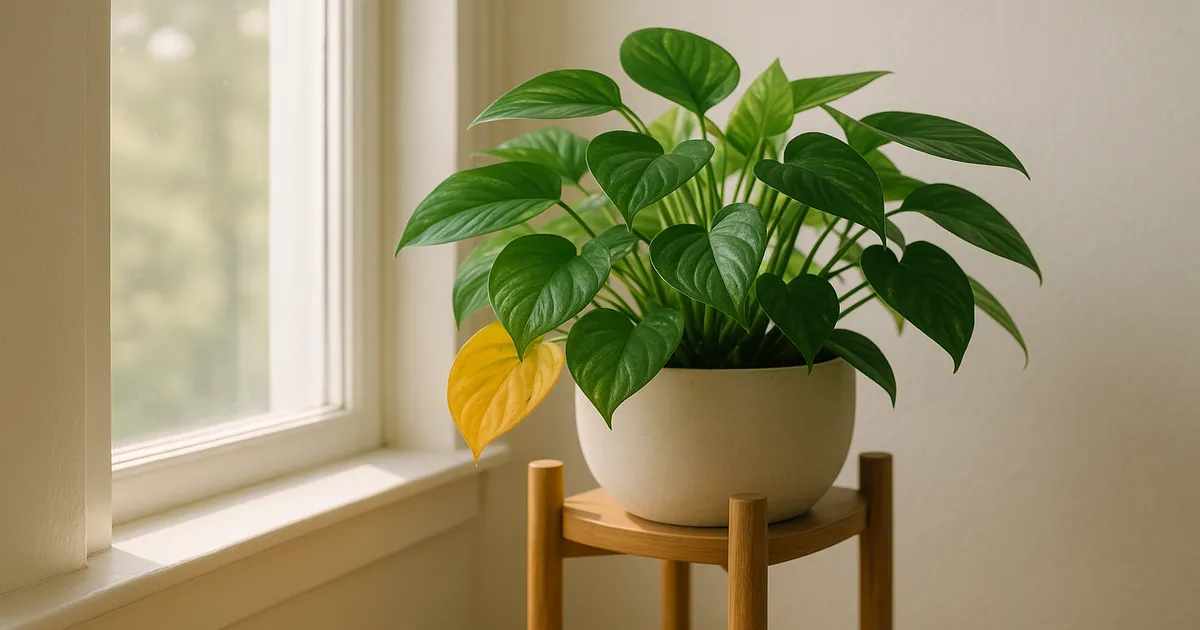
- Yellowing starts on the lowest, oldest leaves first
- The stem base feels soft or mushy
- A foul, sulfurous smell from the soil
- Drooping that does not recover after watering — this is the key sign
Step-by-Step Fix
- Unpot the plant and inspect the roots. Healthy roots are white or tan and firm. Rotted roots are brown or black, mushy, and smell bad.
- Trim all rotted roots with sterilized scissors (wipe blades with isopropyl alcohol between cuts).
- Dust cut surfaces with powdered cinnamon or sulfur as a natural antifungal.
- Repot into fresh, well-draining mix — a blend of 60% potting mix, 20% perlite, and 20% orchid bark works well. A quality bagged mix like Fox Farm Ocean Forest provides a good base.
- Use a pot with drainage holes. No exceptions.
- Going forward, water only when the top 50–75% of soil has dried out. A moisture meter removes the guesswork entirely.
- Optional: Apply a diluted Bacillus subtilis biological fungicide drench to suppress remaining pathogens and support root recovery.
Underwatering, Light Problems, and Other Common Causes
Drought Stress: Signs and How to Rehydrate
When soil dries out too much, water moves out of leaf cells by osmosis and the leaves lose their firmness — that’s the drooping. The plant’s stress hormone, abscisic acid (ABA), triggers stomatal closure to slow water loss, but this also halts photosynthesis, which accelerates yellowing over time.
Drought drooping looks and behaves differently from overwatering drooping:
- Soil is bone-dry and pulling away from the pot edges
- The pot feels very light when lifted
- Leaf edges are papery or crispy, not mushy
- Drooping recovers within a few hours of thorough watering
To rehydrate, bottom-water by setting the pot in a basin of water for 30–60 minutes, or water thoroughly from the top until it flows freely from the drainage holes. Check soil moisture every 3–5 days rather than watering on a fixed schedule.
Root-Bound Plants: When the Pot Is Too Small
A severely pot-bound syngonium mimics drought stress. The dense, circling root mass can’t hold enough water between waterings, so the soil dries out within a day or two. Look for roots emerging from drainage holes or visibly circling the soil surface. The fix: repot into a pot just 1–2 inches larger in diameter with fresh mix. Don’t go bigger — an oversized pot holds excess moisture and creates overwatering risk.
How Light Levels Drive Yellowing and Weak Growth
Syngoniums need bright indirect light — roughly 1,500–3,000 foot-candles — to photosynthesize efficiently. In low light (below 100–200 foot-candles), the plant can’t maintain its chlorophyll. Leaves turn a uniform pale yellow, starting on newer growth, and stems become leggy and weak. At the other extreme, direct sun above 5,000 foot-candles scorches leaves into bleached, papery patches with defined edges.
Fix for low light: Move the plant to within 3–5 feet of an east- or north-facing window, or supplement with a full-spectrum LED grow light running 12–14 hours per day. A grow light like the Barrina T5 Full Spectrum is a reliable, affordable option. For a south- or west-facing window, a sheer curtain diffuses light to a safe level.
Nutrient Deficiencies: Reading the Yellowing Pattern
Nitrogen, Iron, Magnesium, and Potassium
The pattern of yellowing is your diagnostic tool. Each deficiency has a characteristic signature:
- Nitrogen: Uniform yellowing starting on the oldest, lowest leaves. Nitrogen is mobile — the plant strips it from old leaves to feed new growth.
- Iron: Interveinal chlorosis on the newest leaves — tissue turns yellow but veins stay green. Almost always a pH problem rather than a true lack of iron.
- Magnesium: Interveinal yellowing on older leaves (magnesium is also mobile).
- Potassium: Yellow-brown margins and tips on older leaves.
Soil pH and Nutrient Lockout
Syngoniums prefer a slightly acidic soil pH of 5.5–6.5. Above pH 7.0, iron, manganese, and zinc become chemically unavailable to roots even if they’re physically present in the soil. If your plant’s yellowing pattern suggests a deficiency but you’ve been fertilizing regularly, test the pH before adding more nutrients.
How to Correct Deficiencies
- Test soil pH with a meter or test strips. Lower pH with elemental sulfur; raise it with agricultural lime.
- Flush the soil with plain water 2–3 times to clear accumulated fertilizer salts.
- Resume feeding with a balanced fertilizer at half strength every 2–4 weeks during spring and summer. Jack’s Classic All Purpose 20-20-20 is a consistent performer for foliage plants.
- For iron deficiency: Apply a chelated iron supplement as a soil drench or foliar spray.
- For confirmed magnesium deficiency only: A diluted Epsom salt solution (1 teaspoon per gallon) as an occasional soil drench can help — but don’t use this routinely.
Pests and Environmental Stress
Spider Mites, Mealybugs, Fungus Gnats, and Scale
Pest damage is easy to overlook because early symptoms — drooping and yellowing — look like almost every other problem. Always check the undersides of leaves and stem joints before ruling pests out.
- Spider mites: Tiny stippled yellow dots on leaves, fine webbing underneath. They thrive when humidity drops below 40%. Treat with neem oil or insecticidal soap, coating all leaf surfaces, and repeat every 5–7 days for 3–4 cycles. Bonide Insecticidal Soap Spray is effective and gentle enough for regular use.
- Fungus gnats: Adults are harmless, but larvae eat roots in moist soil, causing drooping that looks exactly like overwatering. Use yellow sticky traps for adults and a Bacillus thuringiensis israelensis (Bti) soil drench to kill larvae.
- Mealybugs: White cottony masses in leaf axils; they inject toxins while feeding, causing localized yellowing. Dab with a cotton swab soaked in 70% isopropyl alcohol, then follow up with neem oil spray.
- Scale: Brown bumps on stems with sticky honeydew residue below. Treat the same as mealybugs.
Temperature, Humidity, and Drafts
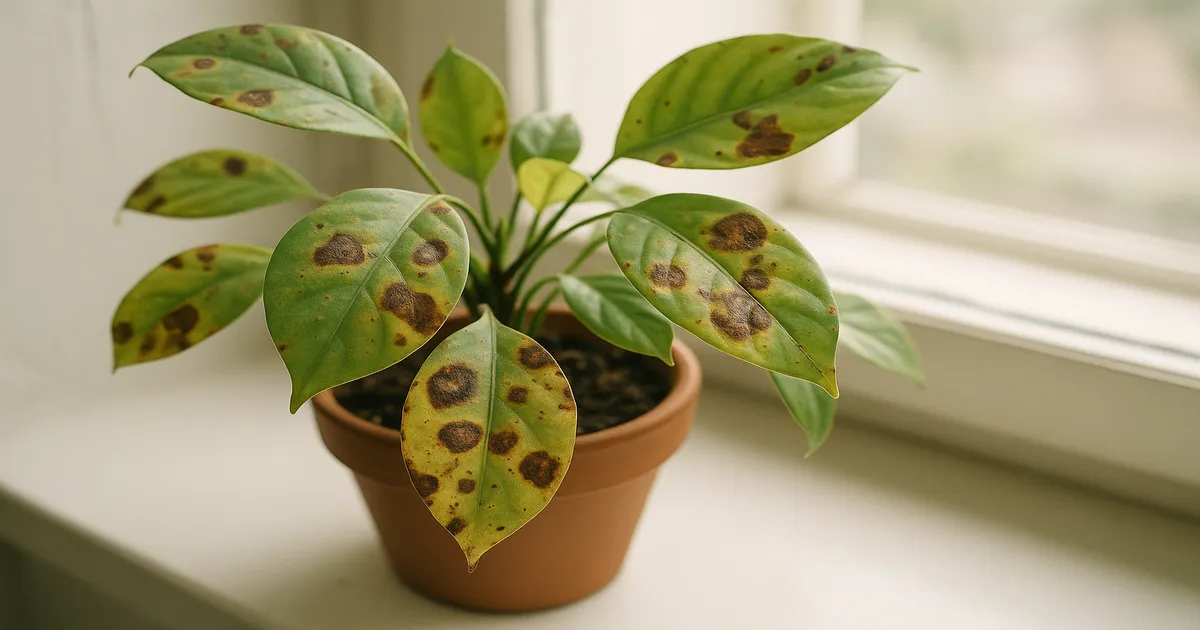
Cold air is surprisingly damaging. Temperatures below 60°F (15°C) stress syngoniums; below 50°F (10°C), you’ll see dark, water-soaked patches that turn yellow then brown. Symptoms concentrated on one side of the plant — the side facing a cold window or AC vent — are a strong clue that environmental stress is the cause.
Low humidity (below 40%) causes chronic turgor loss and crispy leaf edges. Syngoniums are happiest between 50–70% relative humidity. A humidifier is the most reliable solution; grouping plants together or using a pebble tray offers a modest boost. Keep the plant away from heating and cooling vents, and pull it back from cold windows in winter.
Transplant Shock vs. Natural Leaf Senescence
Drooping and some yellowing for one to four weeks after repotting is completely normal. Root hairs — the structures that actually absorb water — are fragile and get damaged during repotting. Until new ones grow in, the plant can’t fully meet its water needs. Keep it in slightly lower light and water a little less frequently during recovery.
Natural senescence is different. If only one or two of the very lowest, oldest leaves are turning yellow while the rest of the plant looks healthy and is producing new growth, that’s simply the plant recycling nutrients from its oldest foliage. Nothing to fix.
How to Diagnose Your Syngonium: A Quick Checklist
Check Soil and Roots First
- Push your finger 2–3 inches into the soil. Soggy? Suspect overwatering. Bone dry? Suspect underwatering.
- Lift the pot. Unusually heavy? Overwatering. Surprisingly light? Underwatering.
- Still unsure? Unpot and look at the roots. White and firm = healthy. Brown, mushy, smelly = root rot.
Read the Leaves
| Symptom | Most Likely Cause |
|---|---|
| Lower/oldest leaves yellowing first, wet soil | Overwatering / root rot |
| Any leaves yellowing, dry soil, crispy edges | Underwatering |
| Uniform pale yellowing, leggy growth | Low light |
| Interveinal yellowing on new leaves | Iron deficiency (check pH) |
| Stippled yellow dots + fine webbing | Spider mites |
| White cottony masses + localized yellowing | Mealybugs |
| Dark water-soaked patches turning yellow | Cold damage |
| 1–2 lowest leaves yellowing, rest healthy | Natural senescence |
Also check the undersides of leaves and stem joints for pests before moving on.
Assess Light, Temperature, and Humidity
Estimate or measure your light levels — free smartphone light meter apps are reasonably accurate. Check whether the plant is near a vent, a cold drafty window, or in direct afternoon sun. If humidity is consistently below 40%, that alone can cause chronic drooping even when everything else is right.
Preventing Drooping and Yellowing: Ongoing Care
Watering: Check soil moisture every 3–5 days and water when the top 50–75% has dried out. Always use pots with drainage holes. Never let the plant sit in standing water in a saucer for more than 30 minutes.
Light, humidity, and temperature: Bright indirect light, 3–5 feet from an east or north window, is the sweet spot. Use a sheer curtain to filter a south- or west-facing window. Keep temperatures between 60–85°F, away from vents and cold drafts. Aim for 50–70% humidity.
Fertilizing and repotting: Feed at half strength every 2–4 weeks in spring and summer; stop or cut back in fall and winter. Repot every one to two years in spring into a pot just 1–2 inches larger.
Pest prevention: Quarantine new plants for two weeks before placing them near your syngonium. Wipe leaves down monthly with a damp cloth. Maintain good humidity — spider mites in particular thrive in dry air.
Frequently Asked Questions
Why is my syngonium drooping even though the soil is wet?
Wet soil and drooping together almost always point to overwatering and root rot. Waterlogged soil suffocates roots, and dead roots can’t transport water upward — so the plant wilts despite the moisture. Unpot the plant and check the roots: brown, mushy, or foul-smelling roots confirm root rot. Trim the damaged roots and repot into fresh, well-draining mix.
Should I cut off yellow leaves on my syngonium?
Yes. Once a leaf has turned fully yellow, it won’t recover. Removing it redirects the plant’s energy toward healthy growth. Use clean scissors and cut the stem close to the main stem. If leaves are only partially yellow and the plant is still stressed, focus on fixing the underlying cause first, then tidy up once it’s stabilizing.
How often should I water a syngonium?
There’s no universal answer — it depends on pot size, soil mix, light, and season. A better approach: check the soil every 3–5 days and water when the top 50–75% has dried out. In a well-draining mix under bright indirect light, that typically works out to every 7–10 days in summer and every 14–21 days in winter.
Can a syngonium recover from root rot?
Yes, if you catch it before the entire root system is gone. Trim all rotted roots back to healthy tissue, dust the cuts with cinnamon or sulfur, and repot into fresh well-draining mix. Keep the plant in slightly lower light for a few weeks to reduce its water demands while new roots establish. Most syngoniums bounce back fully within four to eight weeks.
Why are only the bottom leaves of my syngonium turning yellow?
If just one or two of the very lowest, oldest leaves are yellowing while the rest of the plant looks healthy, this is normal leaf senescence — the plant naturally sheds its oldest foliage as it grows. However, if multiple lower leaves are yellowing and the soil is wet, that’s the classic pattern of overwatering or root rot, where the plant loses its lower leaves first as root function declines.