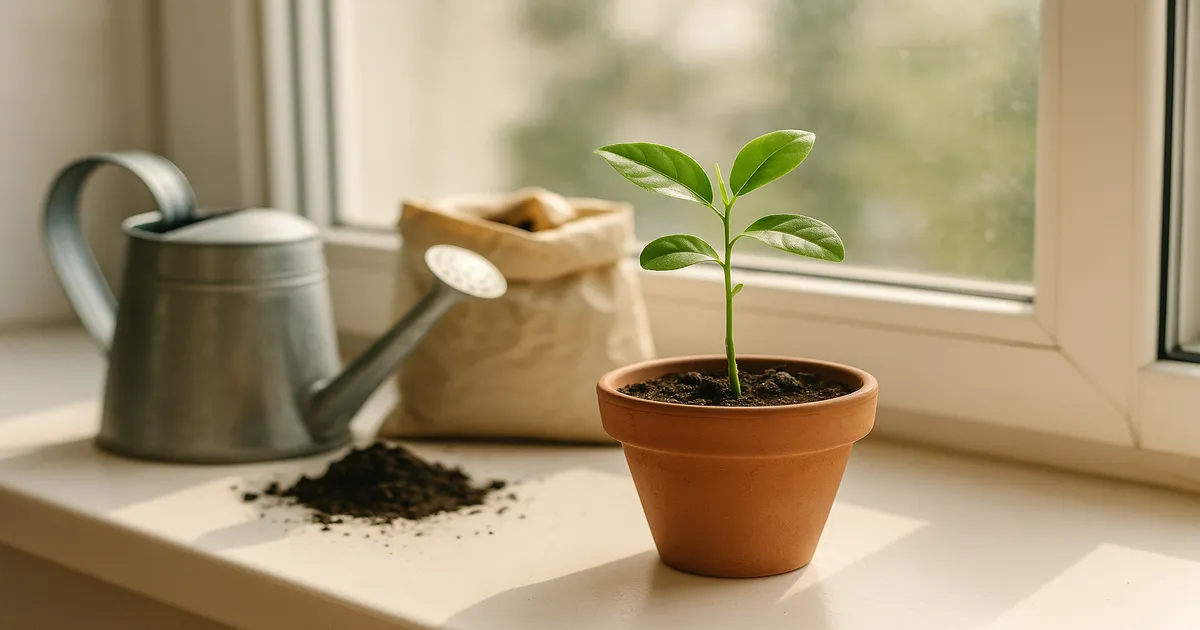
Quick Answer: Yes, you can grow a lemon tree from seed — and it’s more reliable than most people expect. Lemon seeds are polyembryonic, meaning one seed often contains several embryos that are genetic clones of the mother plant. Expect germination in 2–4 weeks and your first fruit in 3–7 years. It’s a long game, but a genuinely rewarding one.
Growing a lemon tree from seed starts with a simple moment of curiosity — you slice open a lemon, spot a few plump seeds, and think why not? The good news: with the right setup, those seeds will sprout reliably. The honest news: you won’t be making lemonade for a few years. Here’s everything you need to know to do it properly.
Can You Really Grow a Lemon Tree from Seed?
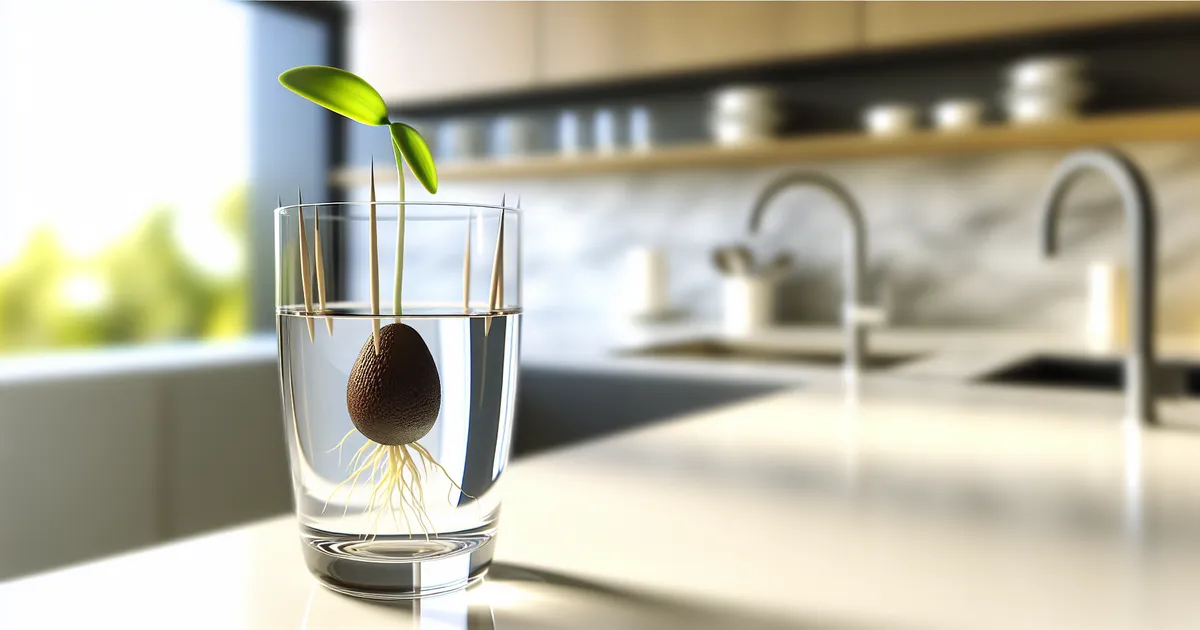
Lemon seeds germinate in 2–4 weeks under the right conditions. From there, you’re nurturing a seedling into a sapling, then a young tree — and the first flowers and fruit typically appear somewhere between 3 and 7 years in. That sounds like a long wait, but the tree itself is beautiful, fragrant, and grows quickly once established.
The key advantage working in your favor is that lemon seeds are polyembryonic: one seed often contains 2–5 embryos, and most are genetic clones of the mother plant. That’s a significant edge over many other fruit trees, where seed-grown plants are genetic wildcards.
Seed-Grown vs. Grafted Lemon Trees
Grafted trees fruit in 1–3 years because the top portion is already a mature, fruiting variety. Seed-grown trees must pass through a juvenile phase first — it’s biological, not negotiable, and no amount of extra fertilizer will skip it. That said, seed-grown trees are often more vigorous and longer-lived. If you want fruit fast, buy a grafted tree. If you want the full experience of growing something from scratch, read on.
Choosing the Right Seeds to Plant
Best Lemon Varieties for Seed Growing
Not all lemons are equally suited to seed propagation. These four are your best options:
- Meyer Lemon — The top choice for indoor growers. Sweeter fruit, thinner skin, cold-tolerant down to around 20°F, and highly polyembryonic.
- Eureka — Classic tart flavor, nearly thornless, and reliably germinates.
- Lisbon — Slightly more cold-hardy than Eureka, thornier, but germinates readily.
- Ponderosa — Produces enormous fruit and germinates easily, but trees grow large. Better suited to outdoor spaces.
Why Grocery Store Seeds Can Disappoint
Supermarket lemons are often weeks old by the time they reach your kitchen. They’ve been refrigerated — which stresses recalcitrant seeds — and commercial fruit may be treated with growth inhibitors that reduce germination rates. Fresh seeds from organic lemons at a farmers’ market, or from a friend’s tree, are a meaningfully better starting point.
Clones vs. Zygotic Embryos: What You Need to Know
Most embryos in a lemon seed are nucellar clones — grown from the mother plant’s tissue without fertilization, so genetically identical to the parent. One embryo is zygotic, meaning it came from pollination and carries mixed genetics. That zygotic seedling may produce inferior fruit or take far longer to mature.
The practical rule: when multiple seedlings sprout from one seed, keep the strongest ones. They’re almost certainly the nucellar clones. The weakest, scrawniest seedling is likely the zygotic one — compost it without guilt.
How to Grow a Lemon Tree from Seed: Step by Step
Extracting and Preparing Seeds
Lemon seeds are recalcitrant — unlike apple or tomato seeds, they can’t be dried and stored. Dehydration causes irreversible damage within days. Plant within 24 hours of extraction, or store seeds in a damp paper towel inside a sealed bag at room temperature for no more than 1–2 weeks.
Before planting, soak seeds in room-temperature water for 24 hours. This hydrates the embryo and softens the seed coat, giving germination a head start.
Optional: Remove the Seed Coat
Once soaked, carefully peel away the outer papery seed coat (the testa) using a fingernail or dull knife. This isn’t required, but it can speed up germination by 1–2 weeks by removing the physical barrier the emerging root has to push through. Work gently — you’re not trying to expose the embryo itself, just slip off the outer layer.
Soil Mix and Containers
Lemon seedlings are highly susceptible to root rot, so drainage is everything. Use a citrus or cactus potting mix as your base — something like Miracle-Gro Cactus, Palm & Citrus Potting Mix works well — then amend it with 20–30% perlite by volume . Target a soil pH of 5.5–6.5; outside that range, nutrient uptake suffers noticeably.
Start in small 2–4 inch containers with drainage holes. Oversized pots hold excess moisture around tiny root systems and invite rot.
Planting Depth and Spacing
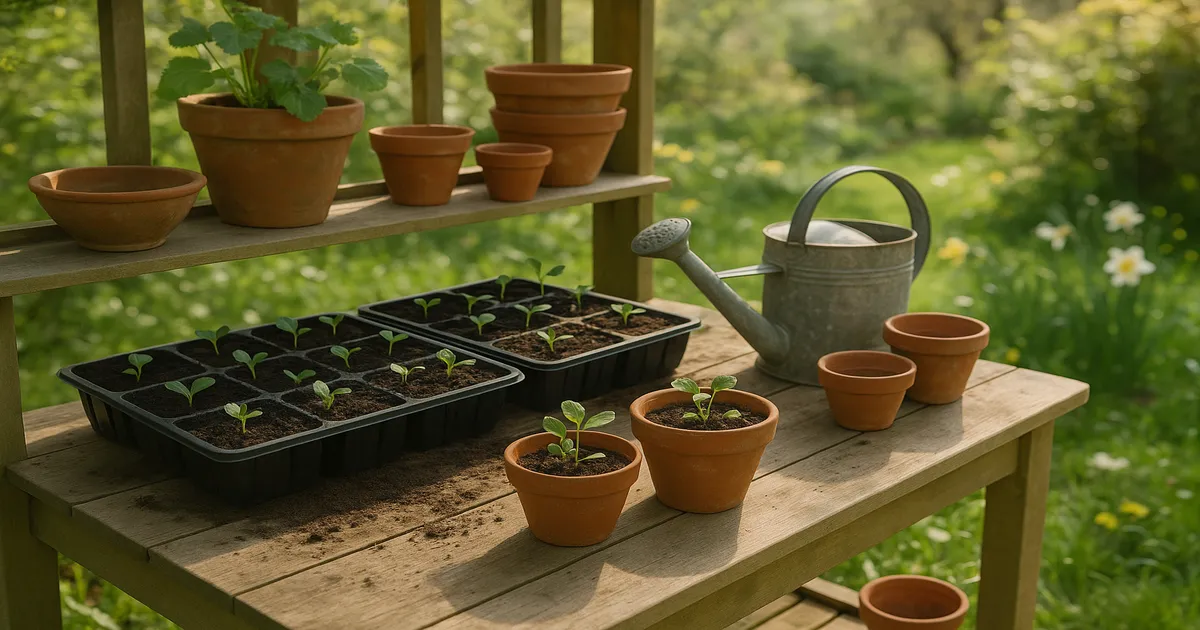
Plant seeds ½ inch deep, pointed end down if you can tell. Sow 5–10 seeds per tray — germination rates vary, and you want options when selecting the strongest seedlings. Label each container with the variety and date. You’ll thank yourself later.
Creating the Right Germination Environment
Temperature
The sweet spot for germination is 77–86°F (25–30°C). Below 55°F, enzymatic activity in the seed essentially stalls. Above 95°F, heat stress damages the embryo. A seedling heat mat with a thermostat is the most reliable way to hit this range consistently, especially in winter . Keep pots away from cold window glass — even a few inches makes a real difference.
Light
Seeds don’t need light to germinate, but once sprouts emerge they need bright indirect light (1,500–3,000 foot-candles) immediately. A south- or west-facing window works if the light is strong. If not, a full-spectrum LED grow light running 12–16 hours per day, positioned 6–12 inches above the seedlings, will do the job reliably .
Humidity and Moisture
Aim for 50–60% relative humidity. A clear plastic humidity dome, a pebble tray with water, or a small humidifier all work. Keep the setup away from AC vents and cold drafts — either can drop temperature and humidity fast enough to stall germination entirely.
Caring for Lemon Seedlings After Germination
Watering
Water deeply when the top 1–2 inches of soil feel dry to the touch. When you do water, soak thoroughly until water drains freely from the bottom, then empty the saucer. Never let pots sit in standing water, and always use room-temperature water — cold water can shock young roots.
Fertilizing
Hold off on fertilizing until seedlings have 4–6 true leaves, typically around 6–8 weeks after germination. Start with a citrus-specific fertilizer with an NPK ratio around 6-3-3, plus micronutrients including iron, magnesium, and zinc — Espoma Citrus-tone 5-2-6 is a solid slow-release option . Citrus are heavy feeders; consistent fertilization throughout the growing season makes a visible difference.
Light and Outdoor Hardening
As seedlings develop, transition toward bright direct light (3,000–5,000+ foot-candles). Rotate the pot 90° every 3–5 days to prevent lopsided growth. In summer, moving seedlings outdoors is one of the best things you can do for them — harden them off gradually over 7–10 days, starting with a couple of hours of morning sun and building up to full outdoor exposure.
Selecting the Strongest Seedlings
Once seedlings are a few inches tall, compare them side by side. Keep the most vigorous, upright plants from each seed — these are almost certainly your nucellar clones. Discard the weakest without hesitation.
Troubleshooting: Common Problems and Fixes
Seeds Won’t Germinate
Likely cause: Seeds dried out before planting, or soil temperature is too low. Fix: Always plant within 24 hours of extraction. Add a heat mat and verify the setup is holding 77–86°F. Check that the pot isn’t sitting on a cold tile floor or near a drafty window.
Yellowing Leaves
The pattern tells you what’s missing:
- Uniform yellowing of older leaves → nitrogen deficiency; increase fertilization frequency
- Interveinal chlorosis on new growth (yellow between green veins) → iron deficiency; apply chelated iron as a foliar spray or soil drench
- Interveinal chlorosis on older leaves → magnesium deficiency; apply Epsom salt solution (1 teaspoon per gallon) as a monthly drench
Root Rot and Damping Off
Signs: Yellowing seedlings, collapsed stems at soil level, foul-smelling soil. Fix: Switch to a well-draining citrus mix with added perlite. If rot has set in, unpot the seedling, trim black or mushy roots with sterile scissors, dust with powdered cinnamon as a natural antifungal, and repot in fresh mix.
Leggy, Weak Growth
Long, spindly stems with small, widely spaced leaves mean insufficient light. Move the plant to the brightest spot available and add a grow light. Existing leggy stems won’t compact, but new growth will be much more robust once light levels improve.
Common Pests
- Spider mites: Stippled, bronzed leaves; thrive in low humidity. Increase humidity and spray with neem oil every 5–7 days for three rounds.
- Fungus gnats: Tiny flies around the soil; larvae damage roots. Let the soil dry more between waterings and apply a Bacillus thuringiensis israelensis (Bti) soil drench.
- Scale and aphids: Sticky residue, sooty mold. Remove manually with a cotton swab dipped in 70% isopropyl alcohol, then follow up with horticultural oil or neem oil spray.
Long-Term Care
Repotting and Pruning
Repot every spring, moving up just one pot size at a time. This refreshes depleted soil and prevents the root-bound stress that slows growth. Light pruning in early spring keeps the shape manageable and encourages branching — remove dead wood and crossing branches, then let the tree grow.
Overwintering Indoors
Bring container trees indoors before temperatures drop below 55°F (13°C). Cut back on watering and stop fertilizing until spring. Keep the pot away from heating vents, which create hot, dry air that stresses citrus. A south-facing window is ideal; supplement with a grow light if natural light drops significantly.
Once your tree is mature enough to flower, indoor trees need help with pollination. Use a small soft paintbrush to transfer pollen between flowers — it takes about 30 seconds and makes a real difference in fruit set.
Why Your Tree Isn’t Fruiting Yet
A healthy, growing tree that shows no interest in flowering is almost certainly still in its juvenile phase — a genetically regulated stage where specific genes actively suppress flowering until the tree reaches sufficient maturity. There’s no shortcut. Select vigorous nucellar seedlings, optimize every aspect of care to encourage fast growth, and be patient. The tree will flower when it’s ready.
Frequently Asked Questions
How long does it take to grow a lemon tree from seed?
Germination takes 2–4 weeks with proper warmth and moisture. From seed to a small established seedling is around 3–6 months. Growing the tree to fruiting size takes 3–7 years for nucellar (clone) seedlings under good care.
Will a seed-grown lemon tree actually produce fruit?
Yes — provided the seedlings that survive are nucellar clones, which is likely if you select the most vigorous plants from each seed. Nucellar seedlings produce fruit true to the parent variety. The caveat is the juvenile phase: expect to wait 3–7 years before the tree is mature enough to flower and fruit.
Can you use seeds from a store-bought lemon?
You can, but results are inconsistent. Grocery store lemons are often older, cold-stored, and may have been treated with growth inhibitors — all of which reduce germination rates. Fresh seeds from organic lemons, ideally from a known variety like Meyer, give you a much better chance of success.
What’s the difference between a grafted lemon tree and one grown from seed?
A grafted tree has a mature, fruiting variety budded onto a rootstock, so it can produce fruit in 1–3 years. A seed-grown tree must pass through a multi-year juvenile phase before it’s capable of flowering. Grafted trees are the commercial standard for this reason. Seed-grown trees take longer but can be just as productive once mature.
How do I know if my lemon seedling is a clone or a zygotic seedling?
You can’t tell from appearance alone at first, but vigor is your best clue. When multiple seedlings sprout from one seed, the strongest, most upright ones are almost always the nucellar clones. The weakest, most irregular seedling is typically the zygotic one. Keep the strong ones and discard the rest early.