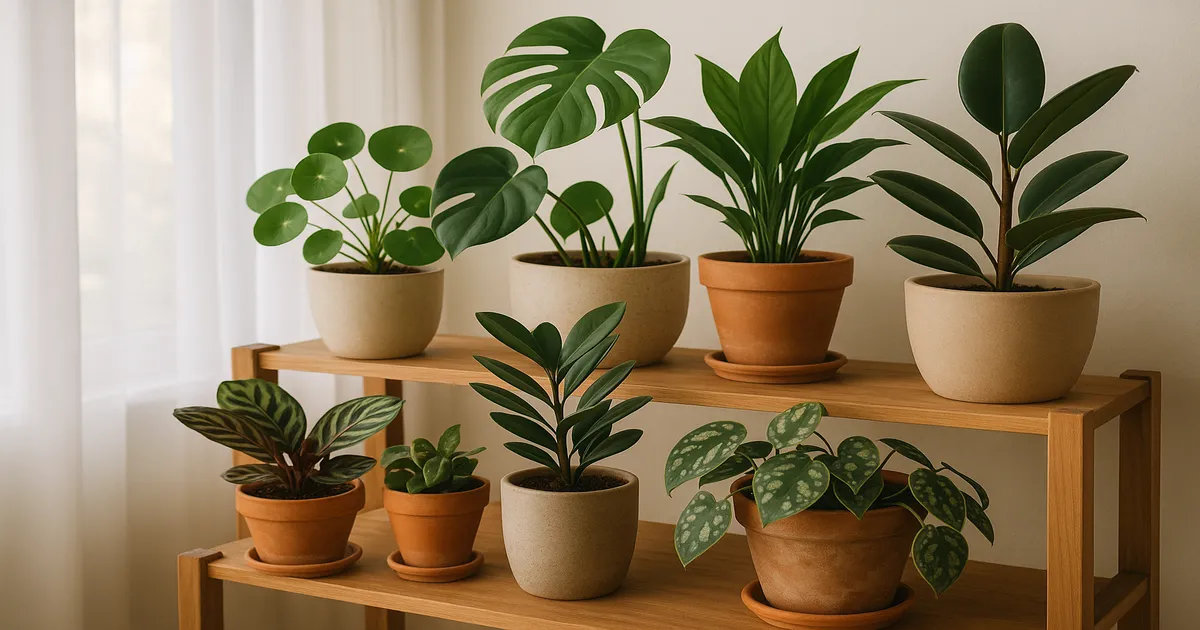
Quick Answer: When you bring a new plant home, it goes through transplant shock — a 2–6 week adjustment period as it adapts from optimised greenhouse conditions to your home environment. The five pillars that determine whether it thrives are light, water, humidity, temperature, and soil. Most early problems like wilting or leaf drop are temporary and completely fixable.
How to Care for New Plants: The First Six Weeks
The 2–6 Week Acclimation Window
The first few weeks are the hardest — for the plant, not you. Commercial greenhouses maintain 70–80% humidity, temperatures of 68–75°F, and fertiliser regimes your living room simply can’t match. When that plant lands on your windowsill, it has to rebuild its entire operating system.
Give it 2–6 weeks before you panic. Yellowing leaves, some drooping, even a little leaf drop in those first two weeks is often normal acclimation, not a death sentence. Resist the urge to intervene aggressively.
The Five Pillars of New Plant Care
Every new plant problem traces back to one of these five factors:
- Light — too little or too much for the species
- Water — almost always too much, occasionally too little
- Humidity — usually far lower than the plant is used to
- Temperature — drafts and extremes cause hidden damage
- Soil — the wrong mix or poor drainage undermines everything else
Nail these five and you’ll solve 90% of new plant problems before they start.
Why New Plants Struggle: Transplant Shock Explained
What Happens to Roots During Transport
Every time a plant is moved, its fine root hairs — the microscopic structures that actually absorb water and nutrients — get damaged. Without them, the plant can’t take up water efficiently even when the soil is wet. At the same time, ethylene gas production spikes, which accelerates leaf yellowing and drop. That’s the science behind that discouraging first week.
Greenhouse Conditions vs. Your Home
The gap between nursery life and home life is bigger than most people realise. A greenhouse offers near-tropical humidity, stable warmth, and carefully calibrated fertiliser — conditions designed to make plants look their absolute best for sale. Your home typically sits at 30–50% humidity with variable temperatures and no supplemental nutrition. The plant isn’t dying; it’s recalibrating.
Which Plants Are Most Sensitive to Shock
Aroids (Alocasia, Caladium, Philodendron) and ferns are the most sensitive — they’re accustomed to high humidity and stable conditions and react strongly to change. Variegated cultivars like Monstera ‘Thai Constellation’ are also fragile because their reduced chlorophyll content gives them less photosynthetic reserve to draw on during stress. Succulents and cacti, by contrast, are remarkably resilient and bounce back quickly.
Watering Your New Plants Correctly
The Number One Killer: Overwatering
Overwatering kills more houseplants than anything else, and new plant owners are especially vulnerable because anxiety leads to frequent watering. When soil stays saturated, oxygen is squeezed out of the pore spaces. Roots suffocate, rot-causing organisms like Phytophthora and Pythium move in, and the plant wilts — not from drought, but from an inability to move water upward. It’s called physiological drought, and it looks deceptively like underwatering.
Signs you’ve overwatered: yellowing leaves, mushy stems at the base, soil that smells sour, and roots that are brown and soft rather than white and firm.
Signs Your Plant Is Underwatered
Underwatering has a different signature. Look for crispy brown edges (not mushy yellow), leaves that curl inward, soil that’s pulling away from the sides of the pot, and a pot that feels surprisingly light when you lift it. The fix is straightforward — water thoroughly — but do it gradually if the soil has become very dry.
How to Check Soil Moisture Before Watering
Never water on a schedule. Water in response to what the soil is actually doing. Two reliable methods:
- The finger test: Push your finger 1–2 inches into the soil. If it feels moist, wait. If it feels dry, water.
- Moisture meter: A basic soil moisture meter takes the guesswork out entirely. For most tropical plants, wait until the reading drops to 3–4 on a 1–10 scale before watering. Succulents and cacti should dry out completely — closer to 1–2.
Bottom Watering for Severely Dry Soil
If your soil has become hydrophobic — water runs straight through without absorbing — bottom watering is the fix. Set the pot in a basin of room-temperature water for 30–60 minutes and let the soil wick moisture up from below. This rehydrates the entire root zone without disturbing the plant.
Getting the Light Right for New Plants
How Much Light Does Your Plant Actually Need?
Light intensity is measured in foot-candles (fc), and different plant groups have very different needs:
- Tropical foliage (Monstera, Pothos, Philodendron): bright indirect light (1,500–3,000 fc)
- Succulents and cacti: bright direct light (3,000–6,000+ fc)
- Ferns: medium indirect light (500–1,500 fc)
- Orchids: bright indirect light (1,500–2,500 fc)
Variegated cultivars need to sit at the higher end of their range — less chlorophyll means they need more light to produce the same energy.
Signs of Too Little Light vs. Too Much Light
Too little light produces etiolation — the plant stretches toward the window, new leaves come in small and pale, and growth looks leggy. Too much direct sun causes the opposite: bleached or scorched patches, faded colour, and leaves that curl away from the light source.
Best Window Positions for Common Houseplants
In the Northern Hemisphere:
- South or west-facing windows: Best for high-light plants — succulents, cacti, most herbs
- East-facing windows: Gentle morning light, ideal for tropical foliage and orchids
- North-facing windows: Suitable only for the most shade-tolerant species like Pothos and ZZ plants
If your home doesn’t have great natural light, a full-spectrum LED grow light on a 12–16 hour timer is a genuinely good solution. Position it 12–24 inches from the foliage to deliver meaningful intensity.
Humidity, Temperature, and Airflow
Why Most Homes Are Too Dry for Tropical Plants
Average home humidity runs 30–50%. Most tropical houseplants evolved in environments with 50–80% humidity. In dry air, transpiration — water evaporating from leaves — outpaces what damaged or adjusting roots can supply, which compounds transplant stress. This is why new tropical plants often look worse in winter, when heating systems dry the air out further.
How to Care for New Plants in Low-Humidity Homes
In order of effectiveness:
- Ultrasonic humidifier (most effective): Aim for 50–60% for most tropicals, 60–80% for ferns and aroids.
- Plant grouping: Clustering plants together creates a shared humid microclimate through transpiration.
- Pebble tray: Fill a tray with pebbles and water, set the pot on top. It provides a modest 5–10% local boost.
Skip leaf misting as a primary strategy. It barely moves the humidity needle and leaves water sitting on foliage, which invites fungal leaf spot.
Protecting New Plants from Temperature Extremes
The safe zone for most tropical houseplants is 65–80°F (18–27°C). Below 55°F (13°C), chilling injury kicks in — you’ll see dark, water-soaked patches that later turn brown and papery. Keep plants at least 3 feet from air conditioning vents, heating registers, and drafty windows. A digital min/max thermometer placed near your plants will reveal temperature swings you’d never notice otherwise.
Soil, Drainage, and Repotting
Why Nursery Potting Mix Isn’t Always Ideal Long-Term
Commercial potting mixes are peat-heavy and optimised for short-term nursery production, not years of home growing. Over time, peat compacts, becomes hydrophobic when dry, and can shift pH in ways that lock out nutrients. Iron, for example, becomes chemically unavailable above pH 7.0 in most tropical plants.
Soil Mix Recipes by Plant Type
- Tropical foliage: 60% potting mix + 20% perlite + 20% orchid bark
- Succulents/cacti: 50% potting mix + 50% coarse perlite or pumice
- Ferns: 50% potting mix + 30% coco coir + 20% perlite
- Orchids: 80% medium orchid bark + 10% perlite + 10% sphagnum moss
If you want to dial in pH, a basic soil pH meter is worth having — amend with garden lime to raise pH or elemental sulfur to lower it.
Choosing the Right Pot
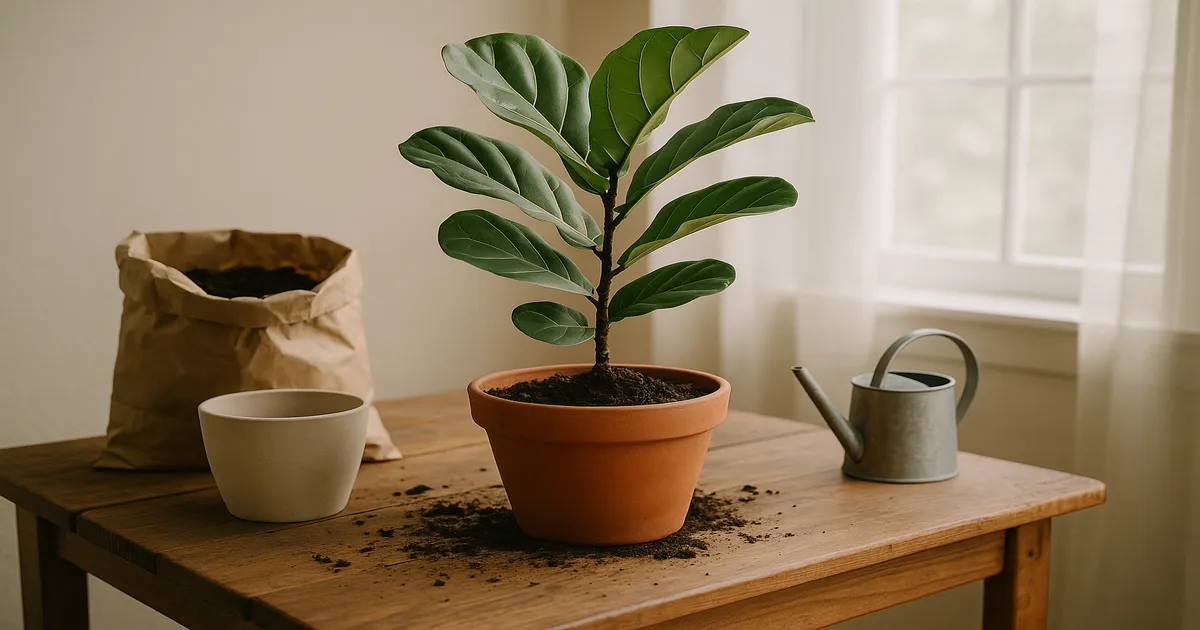
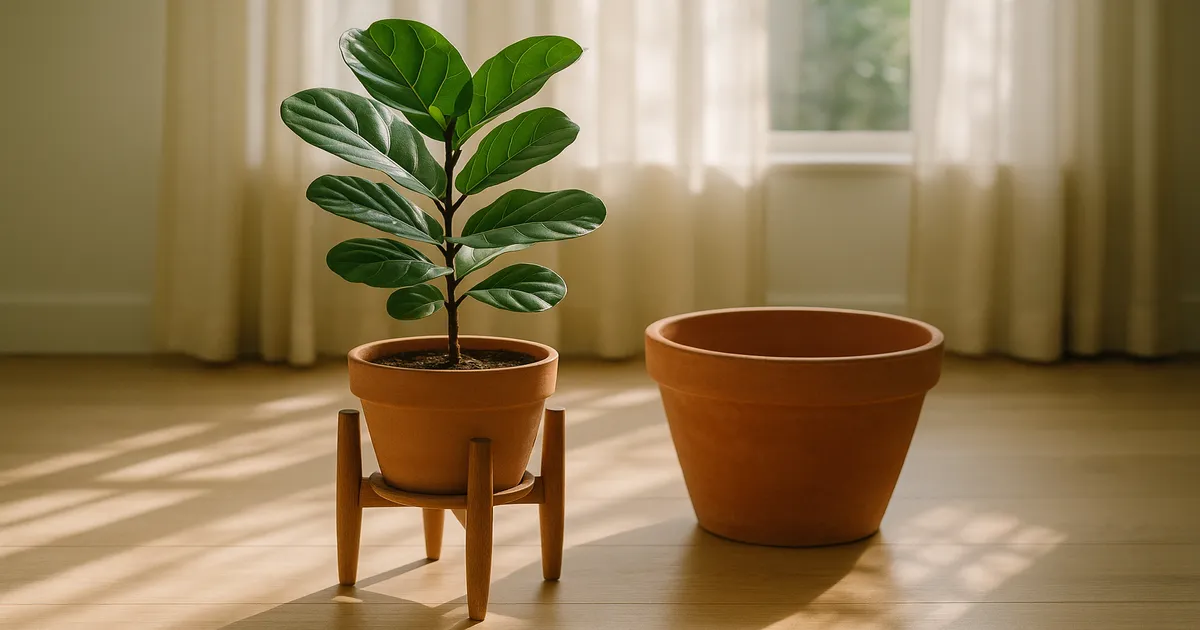
Always choose a pot with drainage holes — no exceptions. When repotting, go only 1–2 inches larger in diameter than the current root ball. A pot that’s too large holds excess moisture the roots can’t use, recreating the same conditions as overwatering.
When to Repot a New Plant
Wait at least 2–4 weeks before repotting a newly purchased plant. Most plants in nursery pots are fine in their current container for a few months. If you do need to repot — because the plant is severely root-bound or the soil smells off — use fresh sterile mix, trim any damaged roots with sterilised scissors, and water with room-temperature water afterward.
Spotting and Treating Common New Plant Pests
Why New Plants Attract Pests
Stressed plants emit volatile organic compounds that broadcast their vulnerability, and their reduced defensive chemistry makes them easier targets. A plant that looked perfect at the nursery can develop a pest problem within weeks of coming home — stress lowers its defences.
Identifying and Treating the Most Common Pests
- Spider mites: Fine webbing on leaf undersides; tiny moving dots visible under magnification. Treat: spray with insecticidal soap or a 2% neem oil solution, covering all leaf surfaces including undersides. Repeat every 5–7 days for 3–4 cycles. Raising humidity above 60% also deters them.
- Fungus gnats: Small flies hovering around soil; larvae live in wet substrate and damage roots. Treat: let soil dry more between waterings, apply a Bacillus thuringiensis var. israelensis (Bti) soil drench to kill larvae, and use yellow sticky traps for adults.
- Mealybugs: White cottony masses in leaf axils and stem joints. Treat: dab individual insects with a cotton swab dipped in 70% isopropyl alcohol, then follow up with neem oil or insecticidal soap.
- Scale: Hard or waxy bumps on stems and leaf undersides; leaves become sticky with honeydew. Treat: remove physically with a soft toothbrush and soapy water, then apply horticultural oil.
- Thrips: Silvery streaking or stippling on leaf surfaces; tiny, fast-moving insects. Treat: spinosad-based insecticide is the most effective option and has low mammalian toxicity. Blue sticky traps help monitor populations.
Quarantining New Plants
Every new plant — regardless of how healthy it looks — should spend 2–4 weeks in quarantine away from your existing collection. Many pests hitchhike invisibly, and a two-week window lets you catch an infestation before it spreads. A spare bathroom or unused corner works perfectly.
Fertilising New Plants: When and How Much
Hold Off on Feeding at First
Nursery soil already contains slow-release fertiliser, often enough to feed the plant for 3–6 months. Adding more creates salt toxicity — excess soluble salts draw water out of root cells via osmosis, burning the very roots you’re trying to support. Hold off on feeding for the first 2–3 months.
Once your plant has settled in, feed with a balanced water-soluble fertiliser at half the recommended strength every 4–6 weeks during spring and summer. (Jack’s Classic 20-20-20 All Purpose Fertilizer) Stop feeding in autumn and winter when growth slows. Half strength, less often — you can always add more, but you can’t take it back.
How to Flush Salt Buildup
Every 2–3 months, flush the soil by running water through it slowly for 2–3 minutes and allowing it to drain completely. This leaches accumulated fertiliser salts before they reach damaging concentrations — a simple habit that prevents a lot of slow, mysterious decline.
Frequently Asked Questions About New Plant Care
Why are my new plant’s leaves turning yellow?
Yellowing in the first 1–2 weeks is most often transplant shock — a normal response to being moved. If it continues beyond two weeks, check your watering habits first (overwatering is the most common culprit), then assess light levels and soil drainage.
Should I repot a plant right after buying it?
No — wait at least 2–4 weeks. Repotting immediately adds root disturbance on top of existing transplant stress, which can tip a struggling plant over the edge. The exception is if the soil smells foul or you can see root rot, in which case repotting into fresh mix is urgent.
How often should I water a new houseplant?
There’s no universal schedule — water in response to soil moisture, not the calendar. For most tropical plants, water when the top 1–2 inches of soil feel dry. For succulents and cacti, wait until the soil is dry all the way through.
Why is my new plant wilting even though the soil is wet?
This is a classic sign of overwatering or root rot. When roots suffocate in waterlogged soil, they can no longer transport water upward — so the plant wilts despite sitting in wet soil. Remove the plant from its pot, inspect the roots, trim any brown mushy sections, and repot into fresh, well-draining mix.
How long does it take for a new plant to adjust to its new home?
Most plants settle in within 2–6 weeks, though sensitive species like aroids and ferns may take longer. Keep conditions stable — consistent light, appropriate watering, away from drafts — and resist the urge to move the plant around. Patience is the most underrated tool in plant care.