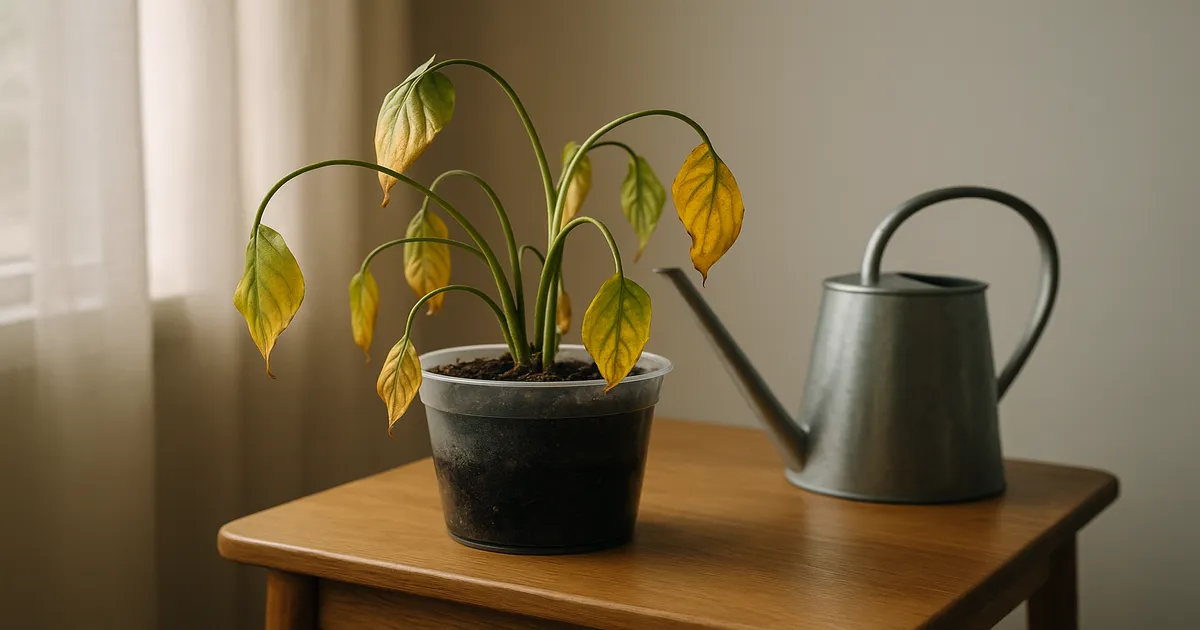
Quick Answer: Root rot is the deterioration of a plant’s root system caused by fungal pathogens, water molds, or chronically waterlogged soil that starves roots of oxygen. The telltale signs are yellowing leaves, wilting despite wet soil, a mushy stem base, and a foul smell from the roots. The catch? At least a dozen other problems look identical — so accurate diagnosis before treatment is everything.
Yellowing leaves. A plant that wilts even though the soil is soaking wet. A smell coming from the pot that you can’t quite place. These are the moments when every plant owner asks the same question: is it just root rot? The honest answer is: maybe — but you need to check before you act, because the treatment for root rot is very different from the treatment for underwatering, nutrient deficiency, or pest damage. Misdiagnose it and you risk making things significantly worse.
What Is Root Rot? The Science Behind the Problem
Biotic vs. Abiotic Root Rot
Root rot isn’t a single disease — it’s an umbrella term for two related problems. Biotic root rot is caused by living pathogens: fungi and water molds that actively colonize and destroy root tissue. Abiotic root rot happens when soil stays waterlogged so long that oxygen is squeezed out and roots suffocate and decay on their own.
In practice, these two types often occur together. Oxygen-deprived roots release compounds that attract pathogens, so what starts as a simple watering problem can quickly become a fungal one.
The Main Pathogens: Phytophthora, Pythium, Fusarium, and Rhizoctonia
The four most common culprits in houseplant root rot are:
- Phytophthora spp. — a water mold (technically an oomycete, not a true fungus) that thrives in saturated soil and spreads aggressively through waterlogged media
- Pythium spp. — another oomycete, particularly devastating in seedlings and tropical houseplants kept in consistently moist growing media
- Fusarium spp. — a true fungus that causes vascular wilt alongside root decay; spreads through contaminated soil and unsterilized tools
- Rhizoctonia solani — active across a wide temperature range (15–35°C / 59–95°F), making it a genuine year-round indoor threat
How Anaerobic Soil Conditions Accelerate Root Decay
Healthy potting mix needs air pore space making up roughly 10–25% of its total volume. When soil becomes saturated, those air pockets fill with water and anaerobic conditions develop within just 24–48 hours. Root cell membranes begin breaking down under oxygen deprivation, releasing compounds that actively attract pathogens. It’s a fast, compounding spiral — which is exactly why catching root rot early matters so much.
The houseplants most commonly affected include Pothos, Peace Lily, Snake Plant, Fiddle Leaf Fig, Monstera, and African Violet.
8 Common Causes of Root Rot in Houseplants
Overwatering: The Number One Culprit
Overwatering isn’t really about adding too much water in a single session — it’s about keeping soil wet for too long, creating sustained oxygen deprivation in the root zone. Watering on a fixed calendar schedule is the most common trap. Saucers left full of water beneath pots make things worse by recreating swamp-like conditions right where feeder roots are densest.
Poor Drainage and the Wrong Potting Mix
A pot without drainage holes is a slow death sentence for most houseplants. Heavy, peat-dominant mixes hold moisture far longer than roots can tolerate, especially indoors where evaporation is slow. Potting mix also breaks down over 12–18 months, losing its structure and compacting into a dense, poorly aerated mass. Garden soil used in containers is even worse — it compacts severely and frequently introduces soil-borne pathogens.
Oversized Pots and Excess Soil Volume
When you pot a plant into a container much larger than its root ball, all that extra soil holds moisture the roots can’t reach or use. That perpetually damp outer zone becomes an incubation environment for Pythium and Phytophthora. The fix is simple: pot up in increments of only 1–2 inches (2.5–5 cm) in diameter at a time.
Low Light Slowing Soil Dry-Out
Plants in low light (below 200 foot-candles) transpire far less water through their leaves, so soil stays wet much longer than it would in a brighter spot. The danger is that most people water at the same frequency regardless of light level. A plant that needs water every five days in bright indirect light (1,500–3,000 foot-candles) might only need water every two to three weeks in a dim corner.
Cold Temperatures and Cold Root Zones
Most tropical houseplants prefer root-zone temperatures between 18–27°C (65–80°F). When soil drops below 13°C (55°F), root metabolism slows dramatically and the plant stops taking up water efficiently — leaving the soil wet far longer than normal. Cold windowsills, tile floors, and rooms with air conditioning vents are surprisingly common culprits, even when the ambient air temperature feels comfortable.
Contaminated Soil, Pots, and Tools
Fusarium, Rhizoctonia, and Pythium hitch rides on unsterilized tools, reused pots, and low-quality potting mix. Fungus gnats (Bradysia spp.) are both a symptom and a vector: their larvae damage roots and create entry wounds for pathogens, while adult gnats carry fungal spores between plants. If you’re seeing fungus gnats, your root rot risk has just gone up considerably.
Physical Root Damage and Fertilizer Burn
Repotting trauma, aggressive fertilization, and pest feeding all create open wounds that pathogens exploit. Synthetic fertilizer salt buildup raises the soil’s electrical conductivity (EC), chemically burning root tips and compromising their ability to resist infection. Nematode galls (Meloidogyne spp.) are frequently mistaken for root rot — the swollen, knotted tissue looks alarming but is firm rather than mushy, and requires a completely different treatment.
High Humidity Without Airflow
This one catches terrarium and plant-cabinet enthusiasts off guard. Stagnant humidity above 80% RH, without adequate airflow, slows evaporation from the soil surface and creates conditions where surface molds and pathogens proliferate. The problem isn’t humidity itself — it’s humidity combined with no air movement.
How to Diagnose Root Rot: Is It Just Root Rot, or Something Else?
Above-Soil Warning Signs
The classic above-soil symptoms of root rot are:
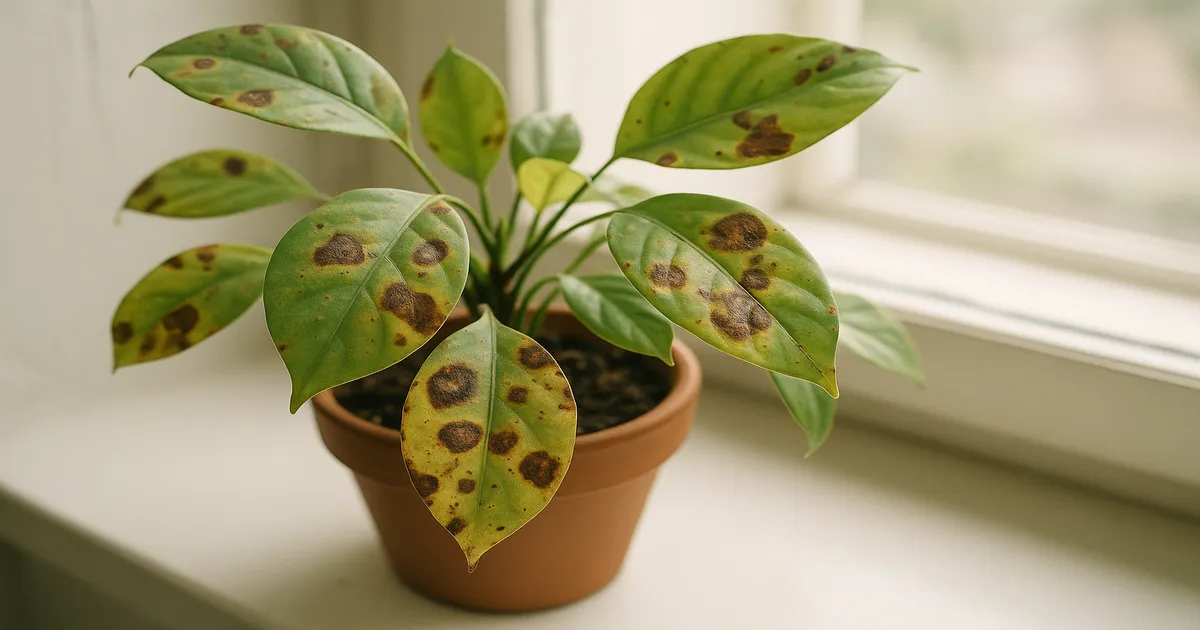
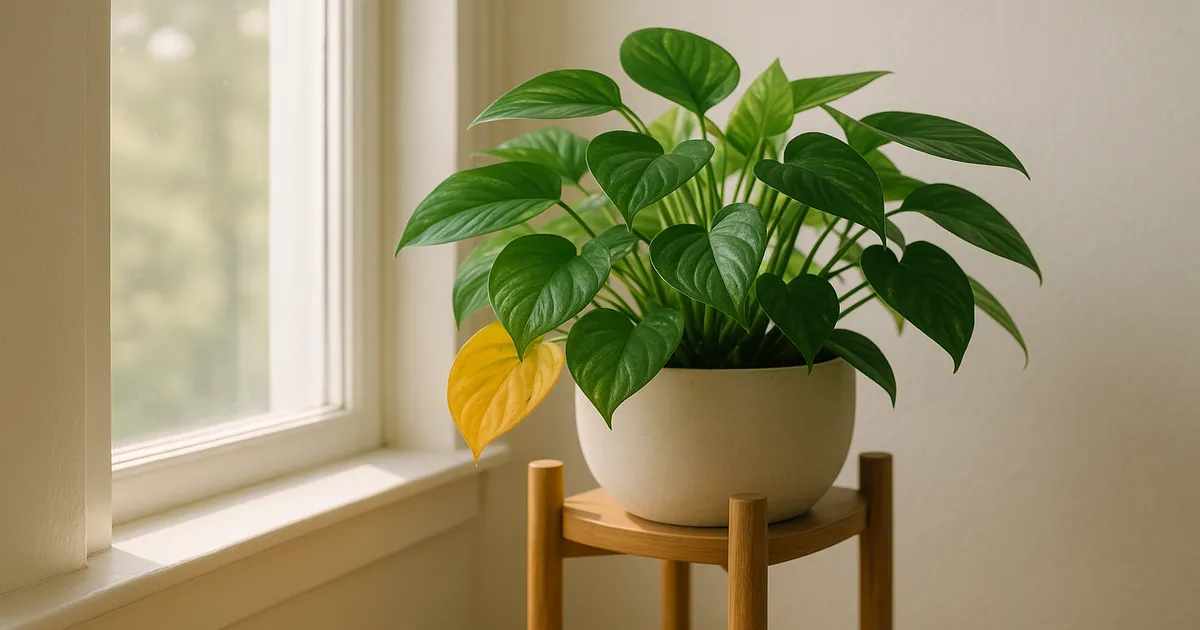
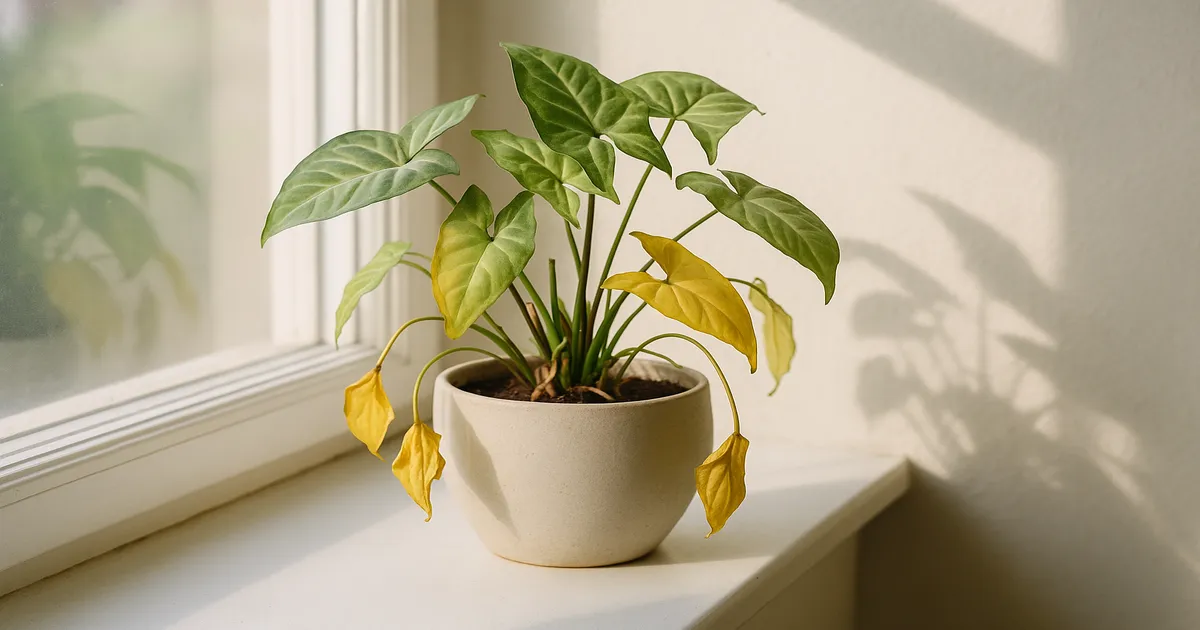
- Leaves yellowing, often starting with lower or older leaves
- Wilting that doesn’t improve after watering — or worsens
- Mushy or darkened stem tissue at the base
- Stunted or absent new growth
- A sour, swampy smell from the pot
What Healthy Roots Look Like
Healthy roots are firm to the touch, white to light tan in colour, and have a clean, earthy smell. You should be able to gently tug on them without them pulling apart. Fine feeder roots should look intact and thread-like, not matted and decayed.
What Rotted Roots Look Like (and Smell Like)
Rotted roots are brown to black, soft, and mushy — they slip off the central strand when you run your fingers along them, like wet paper. The smell is distinctly unpleasant: sour and fetid in a way that’s hard to mistake once you’ve encountered it. In severe cases, the outer cortex of the root slides off entirely, leaving just a thin inner strand behind.
Conditions That Mimic Root Rot
Before you pull the plant out and start cutting, rule these out:
- Underwatering — roots will be dry, shrivelled, and light-coloured, not mushy; soil will be bone dry rather than soggy
- Nutrient deficiency — yellowing follows specific patterns (nitrogen loss starts on older leaves; iron deficiency shows on new growth first); roots look healthy
- Pest damage — check for spider mites, mealybugs, or scale on stems and leaf undersides before assuming the roots are the problem
- Nematode galls — swollen, knotted root tissue that is firm, not mushy; requires a completely different treatment
How to Treat Root Rot: A Step-by-Step Recovery Guide
The Core Root Rot Treatment Protocol
- Remove the plant from its pot and gently shake off all old soil.
- Rinse roots under lukewarm water to expose the full root system.
- Inspect carefully — healthy roots are firm and white to tan; rotted roots are brown or black and mushy.
- Sterilize scissors or pruning shears with 70% isopropyl alcohol, then cut all affected roots back to healthy, firm tissue.
- Let roots air-dry for 30–60 minutes.
- Dust cut surfaces with powdered sulfur or cinnamon, or apply a diluted hydrogen peroxide solution (3% H₂O₂ mixed 1 part to 4 parts water) to the root zone.
- Repot into fresh, sterile potting mix in a clean pot with drainage holes.
Choosing the Right Fungicide: Chemical vs. Biological Options
For severe or recurring cases, a fungicide treatment is worth considering. Chemical options include systemic fungicides containing thiophanate-methyl or copper-based compounds. For oomycete-caused rot (Phytophthora and Pythium specifically), look for mefenoxam as the active ingredient — standard fungicides don’t work on water molds.
The biological alternative, Trichoderma harzianum, is well-supported by research. It colonizes the root zone and outcompetes pathogenic fungi, working as both a curative and a preventive treatment. Products like RootShield Plus are a genuinely useful tool, not just a greenwashing gimmick.
Repotting Into the Right Soil Mix
The potting mix you use after treatment matters as much as the treatment itself. Match the mix to the plant:
- Tropical aroids (Monstera, Pothos, Philodendron): standard potting mix amended with 30–40% perlite, or a chunky blend of bark, coco coir, and perlite (Fox Farm Ocean Forest)
- Succulents and cacti: a dedicated cactus mix or a 50/50 blend of inorganic material (coarse perlite or pumice) and organic matter
- Orchids: bark, perlite, and charcoal blend; never standard potting soil under any circumstances (Better-Gro Special Orchid Mix)
Post-Treatment Care: Helping Your Plant Recover
After repotting, place the plant in bright indirect light (1,500–3,000 foot-candles) — not direct sun, which stresses an already-weakened root system. Water sparingly for the first two to four weeks: the goal is to keep the soil barely moist while new roots establish. Hold off on fertilizing entirely for at least four to six weeks.
Prevention: How to Stop Root Rot Before It Starts
Smarter Watering Habits
The most reliable prevention tool costs nothing: the finger test. Push your finger 2 inches (5 cm) into the soil — if it feels dry at that depth, water thoroughly. If it’s still moist, wait. Never water on a fixed schedule. Use room-temperature water (cold water shocks tropical root systems), and always water deeply rather than shallowly, allowing the entire root zone to wet before the next drying cycle begins.
Bottom watering works particularly well for rot-prone plants like African violets and succulents — set the pot in a shallow tray of water for 20–30 minutes, then remove it. This keeps the soil surface dry and encourages roots to grow downward. A calibrated moisture meter removes the guesswork entirely; aim for a reading of 2–3 out of 10 before watering most tropicals.
Choosing the Right Pot and Potting Mix
Always use pots with drainage holes. Decorative cachepots without holes should act as covers only, with the nursery pot sitting inside. Refresh potting mix every 12–18 months — decomposed mix compacts and loses the air pore space roots need. Adding horticultural charcoal at about 10% by volume helps absorb toxins and supports a healthier microbial environment. Keep soil pH between 5.5–6.5 for most tropical houseplants.
Environmental Controls: Light, Temperature, and Airflow
Keep ambient humidity between 40–60% RH — enough for plant health without creating stagnant moisture conditions. A small oscillating fan on a low setting improves air circulation, strengthens stems, and helps the soil surface dry more evenly. Keep root-zone temperatures above 15°C (59°F) for tropical species, and avoid placing plants on cold windowsills or tile floors in winter.
Sterilization and Hygiene Practices
- Sterilize all pruning tools between plants using 70% isopropyl alcohol or a 10% bleach solution
- Scrub reused pots with dish soap, soak in a 10% bleach solution for 30 minutes, then rinse thoroughly before reuse
- Use fresh, commercial-grade sterile potting mix — never reuse old media or use garden soil
- Quarantine new plants for 2–4 weeks before introducing them to your collection
Biological Prevention with Mycorrhizae and Trichoderma
Inoculating your potting mix with mycorrhizal fungi at repotting time builds a natural defence network around the roots. These beneficial fungi extend the root’s effective reach and improve disease resistance. Applying Trichoderma harzianum preventively at repotting — especially for high-value or susceptible plants — is one of the most evidence-backed proactive steps you can take.
Seasonal Root Rot Risk: When to Be Most Vigilant
Spring: Spotting Winter Damage as Growth Resumes
Spring is the best time to repot and treat root rot — plants have the growing season ahead of them and maximum energy to recover. It’s also when winter damage becomes visible: if a plant fails to push new growth as light returns, root rot from winter overwatering is high on the suspect list. Increase watering frequency gradually as growth resumes, but always check the soil first.
Summer: Faster Drying but Watch for Fungus Gnats
Warmer temperatures and longer days mean soil dries much faster, which naturally lowers root rot risk for most plants. The exceptions are plants kept in air-conditioned rooms or deep shade, where conditions remain risky. Fungus gnat populations peak in summer — at 24°C (75°F), they complete their life cycle in just 17 days, so populations can explode quickly. Stay on top of them with yellow sticky traps and Bacillus thuringiensis israelensis (Bti) soil drenches.
Autumn: The Critical Transition Period
As light levels drop and temperatures fall in September and October, plants slow their metabolism and water uptake — but many owners don’t adjust their watering schedule to match. This mismatch is one of the most common triggers for root rot. Start reducing watering frequency in early autumn, before the soil is noticeably staying wet longer.
Winter: The Highest-Risk Season for Root Rot
Winter combines every root rot risk factor at once: low light (often below 200 foot-candles near windows), cold windowsills chilling root zones, and dramatically slowed transpiration. Soil that dried out in five days in July might take three weeks to dry in December. By November, many tropical houseplants need watering only every 10–21 days. If you take one thing from this article, let it be this: cut your winter watering frequency in half, then check the soil anyway before you water.
Root Rot in Specific Houseplants
Monstera and Pothos
Both are fast-growing tropicals that tolerate some neglect — but their love of moisture makes them genuinely susceptible to root rot when overwatered. A chunky aroid mix (potting soil, perlite, orchid bark) gives their roots the drainage and airflow they need. If you spot yellowing lower leaves and the soil is still wet a week after watering, it’s time to unpot and check.
Snake Plant and ZZ Plant
These two are often marketed as “unkillable,” which leads to overconfidence. Both store water in succulent-like rhizomes and leaves, meaning they need far less frequent watering than most tropical plants. Water Snake Plants every 2–6 weeks depending on season; ZZ Plants may need water only once a month or less in winter.
Fiddle Leaf Fig
Fiddle Leaf Figs are particularly sensitive to cold root zones and inconsistent watering. They dislike both extremes — too wet and too dry — and will drop leaves dramatically in response to either. Cold windowsill placement in winter is a surprisingly common cause of root rot in this species. Keep them away from exterior walls and cold glass, and let the top 2 inches (5 cm) of soil dry before watering.
Succulents and Cacti
Here’s the paradox: succulents and cacti are among the most frequently killed by root rot, precisely because owners assume they’re immune. Any sustained moisture in a poorly draining mix will rot their roots. Use a very fast-draining mix with at least 50% inorganic material, water only when the soil is completely dry, and never leave them sitting in a saucer of water.
Orchids
Standard potting soil is essentially fatal for most orchids. Their roots are adapted to dry out quickly and need excellent airflow — which is why bark-based media exists. Healthy orchid roots are silver-green when dry and bright green when moist. Mushy, brown roots almost always indicate root rot from a moisture-retentive medium or a pot without adequate drainage.
Frequently Asked Questions About Root Rot
Is it just root rot, or could something else be killing my plant?
This is the right question to ask before doing anything else. Root rot is one of the most common causes of sudden decline, but underwatering, nutrient deficiency, pest damage, and nematode galls all produce nearly identical above-soil symptoms. The only reliable way to tell them apart is to unpot the plant and inspect the roots directly. Mushy, brown, foul-smelling roots point to rot; dry, shrivelled, pale roots point to underwatering; firm but knotted roots suggest nematodes.
Can a plant fully recover from root rot?
Yes — if enough healthy root tissue remains and the underlying cause is corrected. Plants with 50% or more of their roots still firm and white have a strong chance of recovery with proper treatment and repotting. Plants with almost no healthy roots remaining are very difficult to save, though stem or leaf cuttings may be worth attempting to propagate from any healthy tissue that remains.
How do I know if my plant has root rot or is just underwatered?
Check the soil and the roots. Underwatered plants have dry, shrunken soil and roots that are dry, light-coloured, and shrivelled — not mushy. Root rot roots are brown to black, soft, and often smell sour or fetid. Wilting is common to both, but an underwatered plant will perk up within a few hours of a thorough watering; a plant with root rot will not.
How long does it take a plant to recover from root rot?
Recovery time depends on how much healthy root tissue remains and how quickly the plant is treated. A plant with mild rot that is caught early and repotted promptly may show new growth within four to six weeks. Severely affected plants can take several months to stabilize, and some never fully recover. Consistent post-treatment care — bright indirect light, restrained watering, no fertilizer for at least a month — makes a significant difference.
Does hydrogen peroxide actually treat root rot?
It helps, but it isn’t a cure on its own. A diluted 3% hydrogen peroxide solution (1 part H₂O₂ to 4 parts water) applied to the root zone kills some surface pathogens and adds a short-lived oxygen boost to the soil. It works best as a supplementary step after physically removing all rotted tissue — not as a substitute for it. For severe or recurring cases caused by Phytophthora or Pythium, a targeted fungicide containing mefenoxam is considerably more effective.