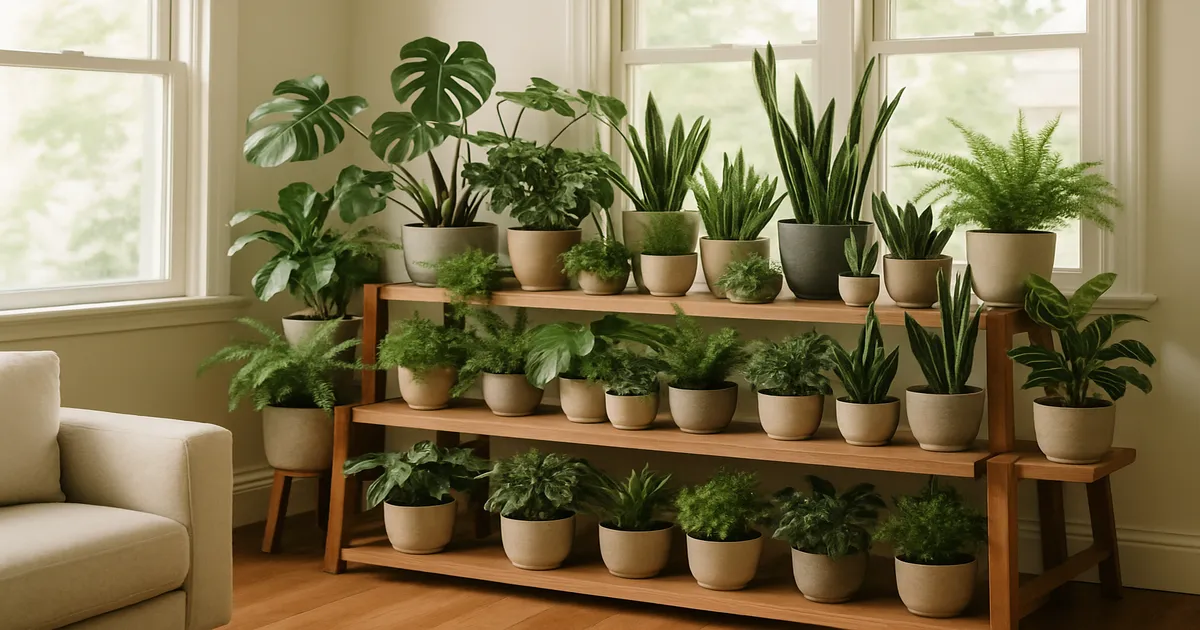
Quick Answer: People who successfully care for tens of houseplants rely on three things: grouping plants by shared needs, building repeatable weekly routines, and using tracking tools to stay organised. Scale changes everything — 30 plants isn’t three times harder than 10, it’s a different challenge entirely. This guide covers every layer of that complexity, from watering logistics to pest quarantine.
Managing a large indoor plant collection is one of the most rewarding — and genuinely challenging — hobbies out there. How do people care for tens of houseplants? It’s a question that comes up constantly in plant communities, and for good reason: a Monstera, a Boston Fern, and an Echeveria all living under your roof have almost nothing in common when it comes to care. Getting that right across 20, 40, or 80 plants requires a real system — not just enthusiasm.
How Do People Care for Tens of Houseplants? Start with Zoning
Group by Care Needs, Not Aesthetics
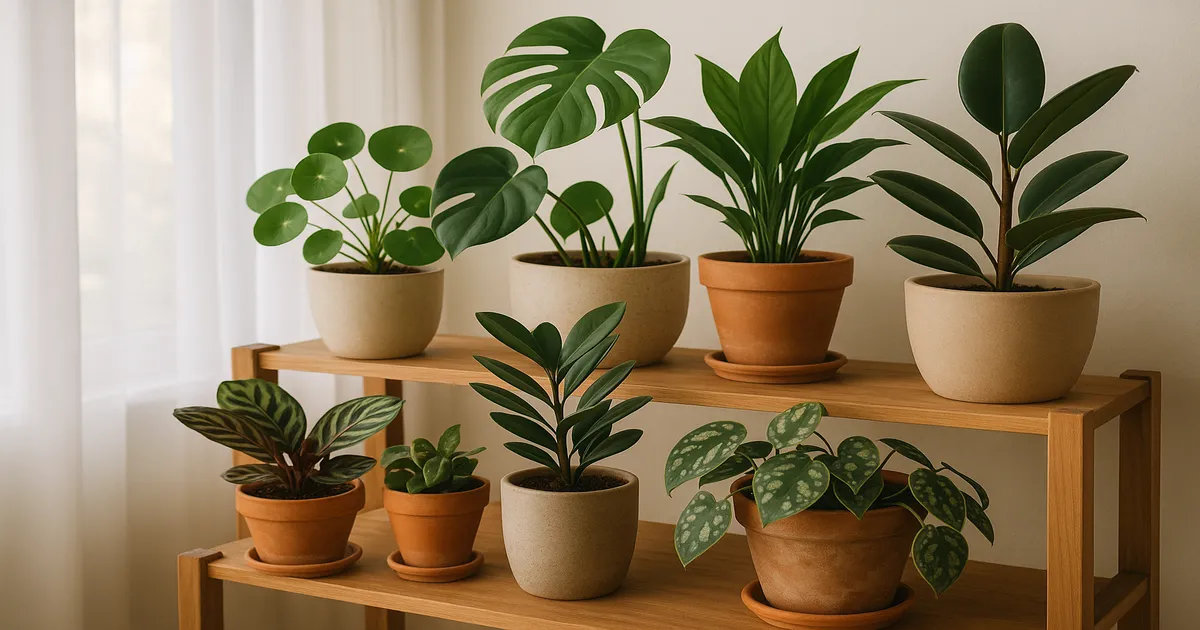
The single most effective thing you can do for a large collection is stop arranging plants by how they look together and start grouping them by what they need. Moisture-loving aroids, ferns, and Calatheas belong together. Succulents, cacti, and snake plants belong somewhere else entirely. This one shift cuts your cognitive load dramatically and makes every watering round faster.
Creating Watering Zones: Thirsty vs. Drought-Tolerant Plants
Think of your home in two broad zones: high-water and low-water. Ferns may need water every 2–3 days; succulents can go 14–21 days between drinks. When these plants sit side by side, you’ll either drown one or desiccate the other. Separating them means you can water an entire zone in one pass without second-guessing every pot.
Mapping Light Zones Across Your Home
Use a light meter or the free Photone smartphone app to measure actual foot-candles at each location. Most home floor space delivers low to medium indirect light (50–500 foot-candles) — not enough for succulents or variegated tropicals. Do this audit once, map it out, and match plants to spots that genuinely meet their needs rather than spots that look nice.
Labels and Plant Inventory Apps
Label every plant with its species name and a care tier (low, medium, or high for both water and light). Apps like Planta and Greg send watering reminders and track care history automatically. A simple spreadsheet works just as well — columns for species, location, last watered, last fertilised, and last repotted are all you need.
Watering Tens of Houseplants Without Losing Track
Understanding Wildly Different Water Requirements
Overwatering is worth understanding at a basic level: waterlogged soil goes anaerobic, creating ideal conditions for root rot pathogens like Pythium and Phytophthora. Underwatering causes the opposite — cells lose turgor pressure, stomata close, and growth stalls. Both are common in large collections where individual plants are easy to overlook.
The Finger Test, Chopstick Method, and Moisture Meters
For most tropicals, push a finger or wooden chopstick 1–2 inches into the soil and water only when it comes out dry. For succulents, wait until the soil is bone dry all the way to the bottom. Moisture meters are especially useful for large pots, where the surface can look dry while the bottom is still saturated. The XLUX Soil Moisture Meter is a reliable, inexpensive option that works well across different soil types.
How Pot Material and Size Affect Watering Frequency
Terracotta dries out two to three times faster than glazed ceramic or plastic — exactly why it suits succulents and cacti, and why it’s less ideal for ferns. Standardising pot materials within each watering zone removes one more variable. Smaller pots also dry faster than larger ones, so a 4-inch and a 10-inch pot of the same species won’t need water on the same schedule.
Bottom Watering, Self-Watering Pots, and Drip Systems
Bottom watering — setting a pot in a tray of water for 20–30 minutes, then draining — works well for crown-rot-prone plants like African violets and succulents. Self-watering pots with built-in reservoirs, such as the Lechuza Classico , suit ferns and pothos that want consistent moisture. For very large collections, a programmable indoor drip system can automate the most repetitive watering tasks entirely.
Getting the Light Right for Every Plant
What Most Homes Actually Provide vs. What Plants Need
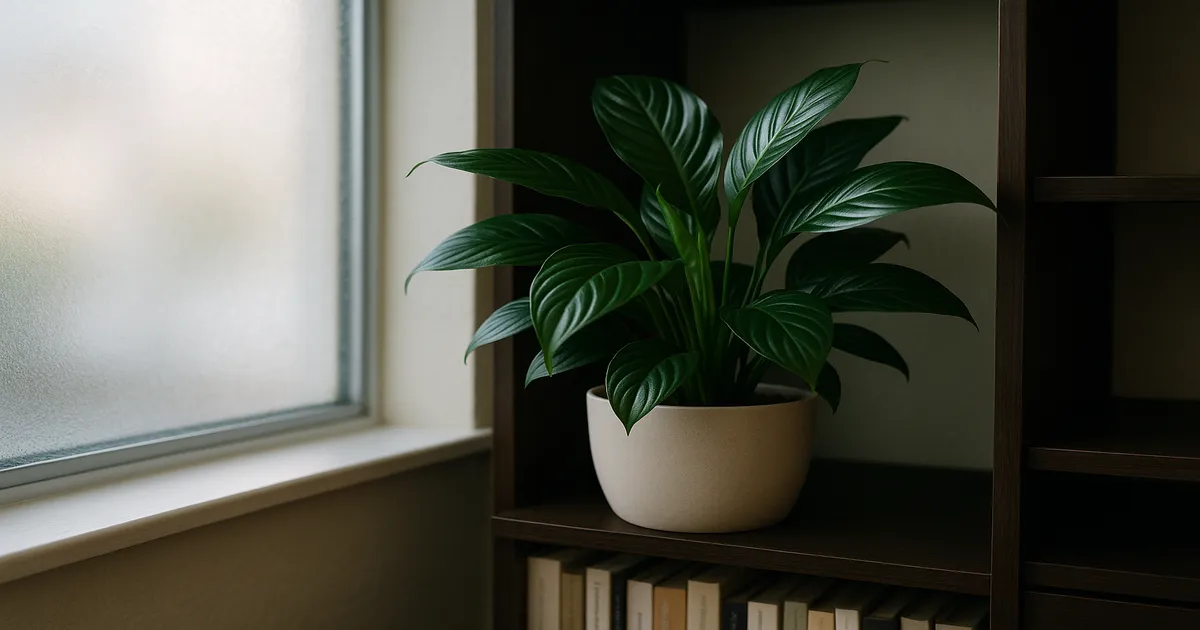
Most home floor space sits in low to medium indirect light (50–500 foot-candles). That’s fine for pothos and ZZ plants, but Monsteras want bright indirect light (1,500–3,000 foot-candles), and succulents need full to bright direct sun (3,000–6,000+ foot-candles). The gap between what your home provides and what your plants need is often the root cause of slow growth, etiolation, and yellowing.
Matching Species to Available Light
- Aroids (Monsteras, Philodendrons, Pothos): bright indirect light, 1,500–3,000 foot-candles
- Succulents & Cacti: full to bright direct sun, 3,000–6,000+ foot-candles
- Ferns: medium indirect light, 500–1,500 foot-candles
- Orchids: bright indirect light, 1,500–2,500 foot-candles
- Marantaceae (Calatheas, Prayer Plants): medium indirect light, 500–1,500 foot-candles — keep away from direct sun, which causes leaf scorch
Using Grow Lights for Dark Corners
Full-spectrum LED grow lights are a practical solution for dark corners and north-facing rooms. Look for LEDs rated 2,000–5,000K with high PAR (Photosynthetically Active Radiation) output. The Barrina T5 Full Spectrum Grow Light is a popular choice for shelf setups. Reflective surfaces like white walls and metallic trays can also amplify natural light in dim spots at no extra cost.
Rotate plants 90–180° every 1–2 weeks to ensure even exposure on all sides. One-sided etiolation — where stems stretch toward a single light source — is a common sign this step is being skipped.
Seasonal Light Shifts and Winter Compensation
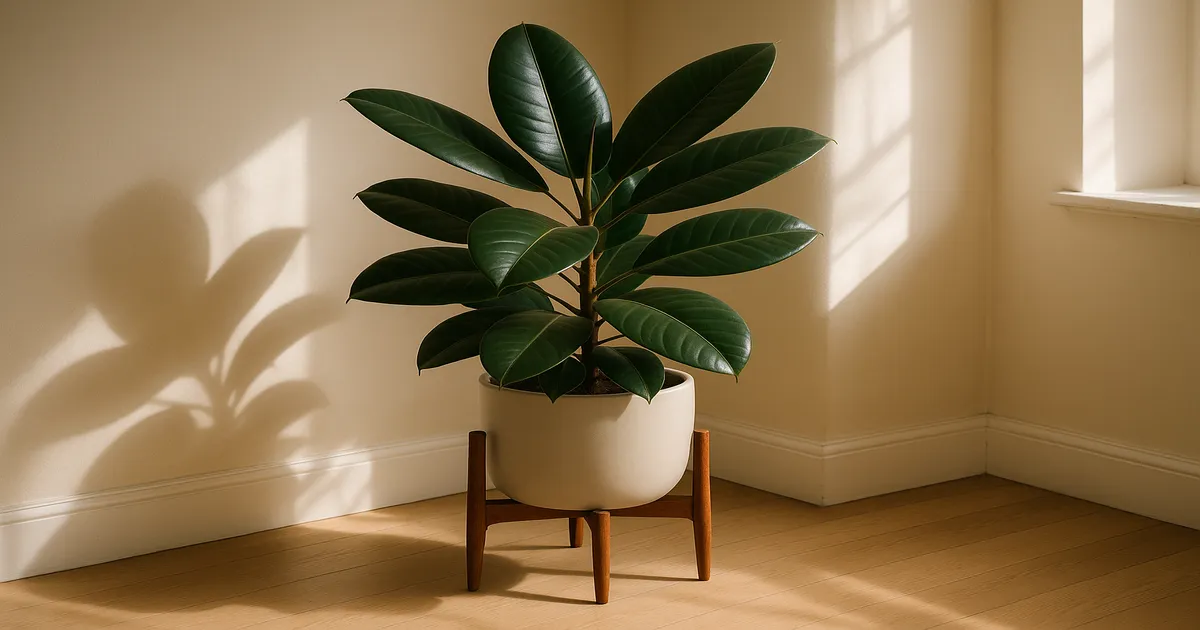
Above 40°N latitude, expect available light to drop 30–50% between November and February. That’s often enough to push a borderline-lit plant into genuine light deprivation. Supplement with grow lights during these months and move light-hungry plants closer to windows — keeping cold-sensitive tropicals at least 12 inches from single-pane glass when night temperatures drop below 55°F (13°C).
Pest Control Across a Large Collection
Why Scale Makes Pest Problems Worse
Dense plant arrangements are paradise for pests. Spider mites (Tetranychus urticae) reproduce every 5–7 days and can spread from one infested plant to ten neighbours within weeks. Fungus gnats lay eggs in moist topsoil, and their larvae chew fine root hairs. Thrips are particularly dangerous because they can transmit Tomato Spotted Wilt Virus between plants. The more plants you have, the faster an infestation escalates once it gets a foothold.
The Essential Quarantine Protocol
New acquisitions are the most common way pests enter a collection. Every new plant — no exceptions — should spend 2–4 weeks in a separate room, away from your main collection. During that time, inspect leaf undersides, stem joints, and the soil surface with a magnifying glass, and apply a preventive treatment before integration.
Identifying and Treating Common Pests
- Spider mites: Raise humidity to 60%+, apply insecticidal soap every 5–7 days for three cycles, or introduce predatory mites (Phytoseiulus persimilis)
- Fungus gnats: Let soil dry more between waterings; drench with Bacillus thuringiensis israelensis (Bti); use yellow sticky traps
- Mealybugs: Dab with 70% isopropyl alcohol on a cotton swab; follow with insecticidal soap; isolate immediately
- Scale: Scrape off manually, then apply horticultural oil every 7–10 days
- Thrips: Apply spinosad-based spray; use blue sticky traps; consider Amblyseius cucumeris as a biological control
Weekly visual inspections are your most powerful tool — catching an infestation at five insects is far easier than at five hundred. A monthly preventive neem oil spray across the whole collection adds another layer of protection without building chemical resistance.
Fertilising and Soil Health
Why Container Plants Depend Entirely on You
Unlike garden plants, container plants have no soil reserves to draw from. Potting mix nutrients are typically exhausted within 6–8 weeks of initial potting. In a large collection, it’s easy to under-fertilise through forgetfulness or over-fertilise through enthusiasm — both cause visible damage.
A Seasonal Fertilisation Schedule
Fertilise every 2–4 weeks through spring and summer. Reduce to monthly or pause entirely in autumn and winter, when most tropicals slow down and can’t process nutrients efficiently. Tying fertilisation to a fixed day — say, every other Saturday — removes the guesswork.
Choosing the Right N-P-K Ratio
- General tropicals: balanced 10-10-10 or 20-20-20 at half strength, such as Jack’s Classic All Purpose Fertilizer
- Foliage plants (Pothos, Philodendrons): higher-nitrogen formula (e.g., 3-1-2 ratio)
- Flowering plants: switch to a higher-phosphorus formula during bud development
- Easy-to-forget plants: slow-release granular fertiliser (6-month formulation) top-dressed on the soil surface, such as Osmocote Smart-Release Plant Food
Flush soil with plain water every 4–6 weeks, running water through until it drains freely. This leaches accumulated fertiliser salts that cause brown leaf tips. Most tropicals prefer a soil pH of 5.5–6.5. Interveinal yellowing on older leaves often signals magnesium deficiency; treat with Epsom salt solution (1 teaspoon per gallon, applied monthly).
Repotting Without Getting Overwhelmed
Signs a Plant Needs a New Home
The signs are usually obvious: roots emerging from drainage holes, roots circling at the soil surface, the plant toppling from top-heaviness, or water running straight through without absorbing. Any of these means it’s time.
Choosing the Right Soil Mix
- Aroids: orchid bark + perlite + coco coir (roughly 40:30:30)
- Succulents/Cacti: coarse sand + perlite + pumice (50:25:25), or commercial cactus mix amended with 50% perlite
- Ferns: peat-based or coco coir mix with added perlite, pH 5.0–5.5
- Orchids: bark-based mix with perlite and charcoal
- General tropicals: quality coco coir-based potting mix with 20–30% perlite added
The Spring Repotting Audit
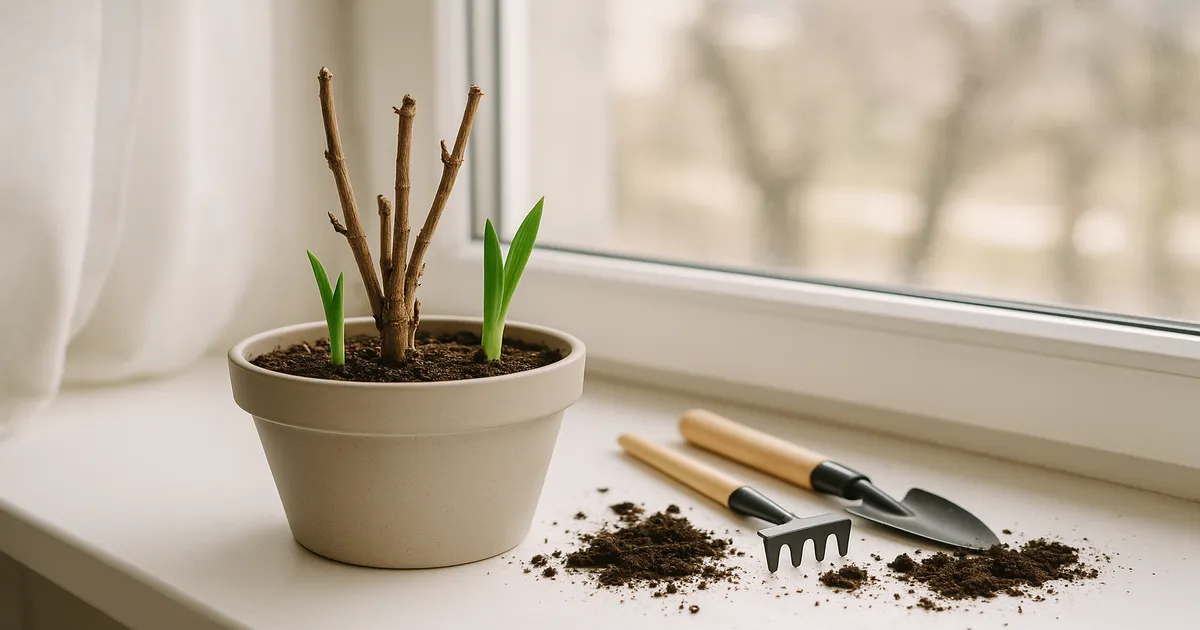
Each March or April, work through your entire collection systematically. Note which plants need repotting, then stagger the work across several weekends. Doing 5–10 plants per weekend is sustainable; doing 40 in a single day is a recipe for burnout.
Always size up only 1–2 inches (2.5–5 cm) in diameter. A pot that’s too large retains excess moisture and dramatically increases rot risk. After repotting, withhold fertiliser for 4–6 weeks — the roots are stressed, and fresh mix often contains some nutrients already.
Building a Routine That Actually Sticks
How People Care for Tens of Houseplants Long-Term
The most common reason large collections fail isn’t lack of knowledge — it’s organisational overwhelm. Assigning specific tasks to specific days removes the daily mental negotiation of “what needs doing today?” A simple structure might look like:
- Monday: watering check across all zones
- Wednesday: visual pest inspection
- Saturday: fertilisation (on applicable weeks) and general health check
Group every plant into one of three tiers — low, medium, or high — for both water and light needs. When you approach your collection, you’re not making 40 individual decisions; you’re executing a handful of zone-based protocols. This is how experienced collectors with 50, 80, or 100+ plants stay on top of things without burning out.
Knowing Your Capacity
There’s no shame in recognising your limit. A collection of 20 well-cared-for plants is far more rewarding — and more beautiful — than 60 struggling ones. If you’re consistently missing waterings, skipping inspections, or feeling anxious rather than enjoying your plants, that’s a signal to consolidate rather than expand.
Frequently Asked Questions
How do people care for tens of houseplants without losing track?
The key is combining physical organisation with digital tracking. Group plants into zones by water and light needs, label every plant with its species and care tier, and use an app like Planta or Greg — or a simple spreadsheet — to log watering, fertilising, and repotting dates. Experienced collectors with 50–100+ plants almost universally rely on some version of this system.
How often should you water a large houseplant collection?
There’s no single answer. Ferns may need water every 2–3 days; succulents can go 14–21 days. Check soil moisture individually using the finger test or a moisture meter, and work zone by zone rather than plant by plant. Grouping plants by water needs makes this process far faster.
How do you stop pests from spreading through a large collection?
Strict quarantine is the most effective prevention. Every new plant should spend 2–4 weeks in a separate room with a thorough inspection and preventive treatment before joining your main collection. Weekly visual inspections across the whole collection let you catch infestations early, when they’re still manageable.
Do you need grow lights for a large houseplant collection?
Not necessarily, but they become increasingly useful as your collection grows. Most home interiors only provide 50–500 foot-candles — not enough for succulents, variegated plants, or many aroids. If you’re above 40°N latitude and face significant winter light loss, full-spectrum LED grow lights are a practical and affordable solution.
How do you fertilise a large number of houseplants efficiently?
Tie fertilisation to a fixed schedule — every other Saturday, for example — and use the right product for each plant type. Liquid balanced fertilisers work well for active growers; slow-release granular fertilisers are ideal for plants you tend to forget. Flush soil with plain water every 4–6 weeks to prevent salt build-up.