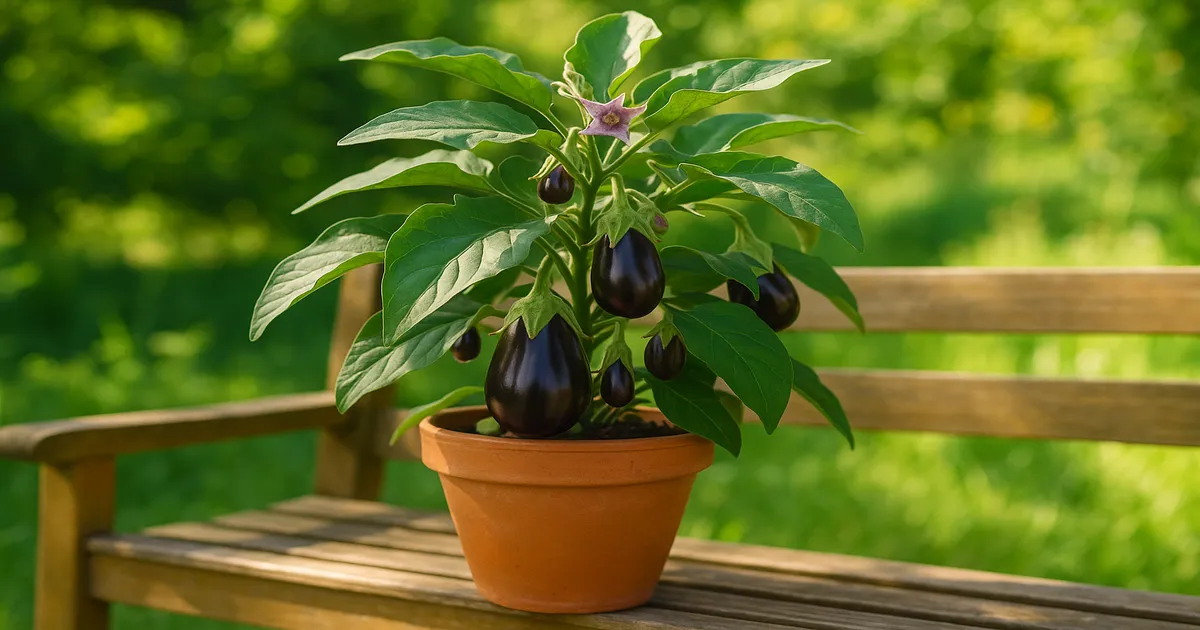
Quick Answer: To grow eggplant successfully, start seeds indoors 8–10 weeks before your last frost date, transplant only when nights stay reliably above 55 °F, and give plants full sun, well-draining soil (pH 5.5–6.8), and 1–2 inches of water per week. Heat is the single biggest success factor — eggplant is one of the most warmth-demanding vegetables you can grow, and it won’t thrive until the weather truly cooperates. Expect 100–120 days from seed to harvest.
Growing eggplant rewards patience and a little planning. This is not a vegetable you can rush into the ground, but once the conditions are right — warm soil, warm nights, full sun — it takes off fast and produces prolifically. Whether you’re growing classic globe varieties or slender Japanese types, this guide covers everything you need to know about how to grow eggplant from seed to harvest.
Eggplant Basics: Varieties, Climate, and What to Expect
Botanical Background
Eggplant (Solanum melongena) belongs to the Solanaceae family, making it a close cousin of tomatoes, peppers, and potatoes. It originated on the Indian subcontinent and has been cultivated in South and East Asia for at least 1,500 years. You’ll hear it called aubergine in the UK and Europe, brinjal across South Asia and Africa, and eggplant in North America. Mature plants typically reach 2–4 feet tall and 2–3 feet wide.
Best Varieties to Grow
| Type | Key Traits | Examples |
|---|---|---|
| Italian/Globe | Large, oval, deep purple; most common | ’Black Beauty’, ‘Classic’ |
| Japanese/Asian | Long, slender, thin skin, mild flavor | ’Ichiban’, ‘Millionaire’ |
| Chinese | Very long, pale purple, tender flesh | ’Orient Express’ |
| Indian/Thai | Small, round, green or white; great for curries | ’Thai Round Green’ |
| White | Egg-shaped, ivory skin, creamy flavor | ’Casper’, ‘White Egg’ |
| Fairy Tale | Miniature, striped; prolific producer (AAS winner) | ‘Fairy Tale’ |
| Rosa Bianca | Italian heirloom; rosy-lavender with white streaks | ’Rosa Bianca’ |
Climate and Season Length
Eggplant sets fruit best when air temperatures stay between 70–85 °F. It needs 120–150 frost-free days, which rules out slow-maturing globe varieties in many northern gardens. If your season is short, choose early-maturing cultivars like ‘Fairy Tale’ or ‘Ichiban’ — they’ll produce reliably where ‘Black Beauty’ struggles.
How to Grow Eggplant from Seed Indoors
When to Start Seeds
Count back 8–10 weeks from your last expected frost date — that’s your seed-starting day. Eggplant germinates and establishes more slowly than tomatoes or peppers, so it needs the head start. Don’t try to compensate for a late start by transplanting early; cold soil and cool nights will stall the plant regardless.
Germination Temperature and Heat Mat Use
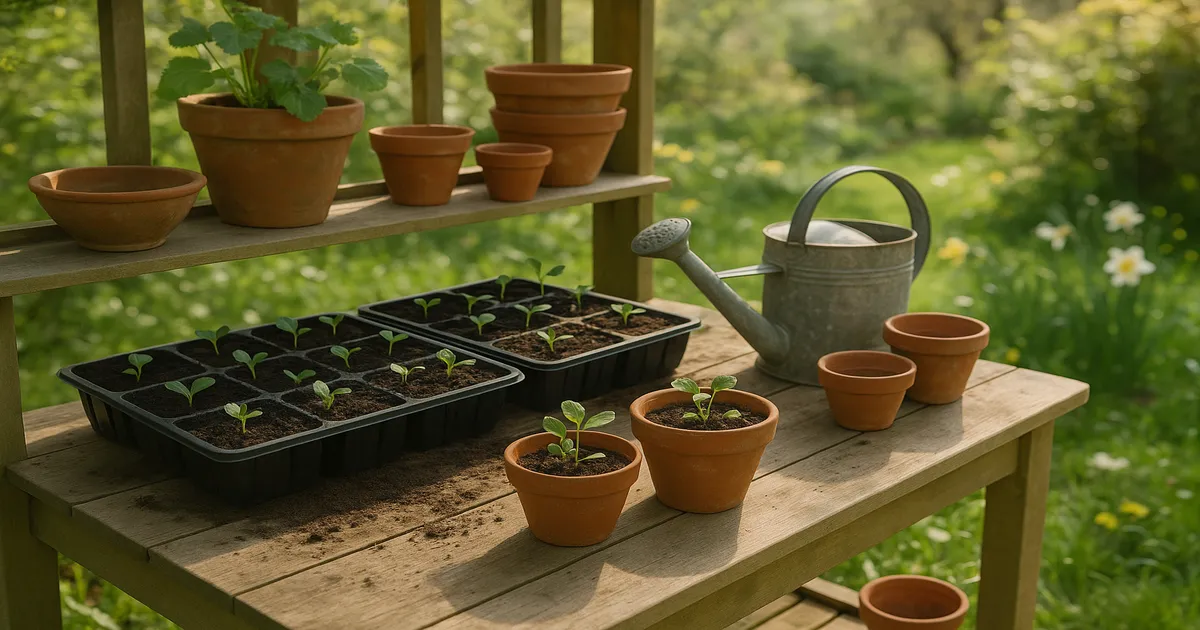
Eggplant seed needs warmth to germinate — aim for a soil temperature of 80–90 °F. A seedling heat mat placed under your trays makes a real difference, bringing germination time down to 7–14 days. Without supplemental heat, germination can stretch to three weeks or stall completely. Once seedlings emerge, move them under grow lights and drop the temperature slightly to 70–75 °F to prevent leggy growth.
Hardening Off Before Transplanting
Never skip hardening off. Over 10–14 days, gradually expose seedlings to outdoor conditions — starting with an hour of shade and building up to full sun and wind. The critical rule: don’t transplant until nighttime lows are reliably above 55 °F. Plants moved out too early develop purple-tinged, hardened leaves as a cold-stress response, and a single frost is lethal at any stage.
Soil Preparation and Planting
Ideal Soil and pH
Eggplant wants well-draining, loamy soil with a pH of 5.5–6.8. Outside that range, nutrients lock up even when they’re physically present in the soil — fertilizing won’t help if the pH is off. Heavy clay causes waterlogging and root rot; very sandy soil drains too fast and starves the plant of moisture and nutrients.
How to Amend Soil Before Planting
Test your soil pH before you plant. Raise it with agricultural lime; lower it with elemental sulfur. Then work 2–4 inches of mature compost into the top 12 inches — this single step improves drainage in clay, water retention in sand, and feeds soil biology everywhere. For raised beds, a mix of 60 % topsoil, 30 % compost, and 10 % perlite gives you an excellent foundation.
Spacing, Raised Beds, and Containers
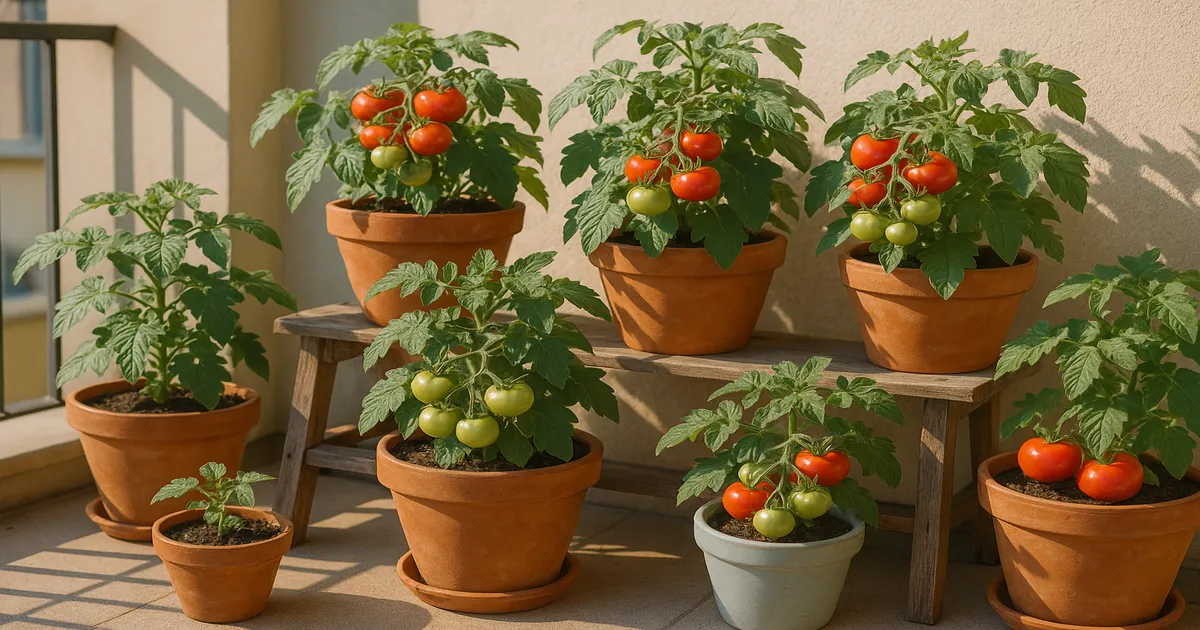
Space plants 18–24 inches apart in rows 30–36 inches apart. Crowding invites disease and reduces yields. Eggplant also does well in large containers — at least 5 gallons, ideally 10 or more. Compact varieties like ‘Fairy Tale’ are especially well-suited to pot culture. In short-season climates, lay black plastic mulch a week or two before transplanting to pre-warm the soil by 5–10 °F.
Watering and Fertilizing Eggplant
How Much Water Eggplant Needs
Eggplant is thirsty, especially during flowering and fruit development — plan on 1–2 inches per week. Consistency matters more than total volume. Erratic watering (wet, then dry, then wet again) is the primary cause of blossom end rot, a physiological calcium deficiency triggered by disrupted uptake rather than a lack of calcium in the soil.
Best Watering Methods
Drip irrigation or soaker hoses deliver moisture directly to the root zone while keeping foliage dry — the single most effective step you can take to reduce fungal disease. Follow up with 2–4 inches of organic mulch (straw, shredded leaves, or wood chips) to retain moisture and moderate soil temperature.
Fertilizing Schedule
- At planting: Work a balanced 10-10-10 granular fertilizer into the top 6 inches of soil.
- At first flower: Switch to a lower-nitrogen formula like 5-10-10 to shift the plant’s energy toward fruit rather than foliage.
- Every 3–4 weeks: Side-dress with compost tea or fish emulsion for micronutrient support.
Excess nitrogen during flowering is a surprisingly common reason eggplants produce lush leaves but no fruit.
Nutrient Deficiency Quick Reference
| Deficiency | Visual Symptom | Fix |
|---|---|---|
| Nitrogen | Pale, yellowing older leaves; stunted growth | Balanced fertilizer or fish emulsion |
| Phosphorus | Purple leaf undersides; delayed flowering | High-P fertilizer (e.g., 5-10-10) |
| Potassium | Scorched leaf margins; poor fruit quality | Potassium sulfate or wood ash |
| Calcium | Blossom end rot; tip burn on young leaves | Consistent watering; calcium-containing fertilizer |
| Magnesium | Interveinal chlorosis on older leaves | Epsom salt foliar spray (1 tbsp/gallon) |
| Iron | Interveinal chlorosis on young leaves | Chelated iron foliar spray; lower soil pH |
Common Pests and How to Control Them
Flea Beetles: The Number One Threat
Flea beetles are tiny, jumping insects that riddle leaves with small holes — a pattern called shothole damage. They’re especially brutal on young transplants and can kill seedlings outright. Cover transplants immediately with fine-mesh row covers (0.04-inch aperture or smaller) and leave them on until plants are well established. Kaolin clay applied as a spray acts as a physical deterrent; spinosad handles heavy infestations.
Colorado Potato Beetle
These bold, striped beetles and their orange-red larvae can defoliate a plant shockingly fast. Hand-pick adults and the orange-yellow egg masses from leaf undersides daily. For larvae, Bacillus thuringiensis var. tenebrionis (Btt) is highly effective; spinosad works well on adults.
Spider Mites, Aphids, Whiteflies, and Thrips
- Spider mites: Look for stippled, bronzed leaves and fine webbing on leaf undersides. Increase humidity, spray with insecticidal soap or neem oil, or introduce predatory mites (Phytoseiulus persimilis).
- Aphids: Blast off with a strong water stream first; follow with insecticidal soap or neem oil if they persist.
- Thrips: Blue sticky traps help with monitoring; spinosad or insecticidal soap for active infestations.
Inspect leaf undersides at least twice a week. Early detection is far more effective — and far less disruptive — than reacting to a full-blown infestation.
Integrated Pest Management
Time any pesticide applications for late evening to protect pollinators. Encourage beneficial insects — lacewings, lady beetles, parasitic wasps — by planting companion flowers nearby. A diverse garden is your best long-term defense.
Diseases: Identification, Treatment, and Prevention
Soil-Borne Wilts: Verticillium and Fusarium
Both Verticillium and Fusarium wilt cause one-sided wilting and yellowing that progresses up the plant. Cut a wilted stem near the base — brown vascular discoloration confirms the diagnosis. There is no chemical cure. Remove and destroy infected plants, avoid planting any Solanaceae in that bed for at least four years, and choose resistant cultivars going forward.
Phytophthora Blight and Fungal Leaf Diseases
Phytophthora blight causes rapid stem and fruit collapse in wet conditions. Improve drainage, switch to drip irrigation, and apply copper-based fungicides preventatively if you’re in a high-risk area. Powdery mildew (white coating on leaves) responds well to potassium bicarbonate, sulfur-based fungicide, or neem oil — catch it early and ensure good air circulation. Early blight shows as concentric-ring lesions on older leaves and spreads upward in warm, wet weather.
Viral Diseases
Tobacco mosaic virus (TMV) and Cucumber mosaic virus (CMV) both cause mosaic patterning, leaf distortion, and stunted growth. Aphids spread them plant to plant; you can spread them yourself by touching infected plants and then healthy ones. Sanitize tools with a 10 % bleach solution between plants, control aphids aggressively, and remove infected plants immediately — bagged, not composted.
Pollination, Fruit Set, and Harvesting Eggplant
Why Eggplant Needs Buzz Pollination
Eggplant flowers are perfect — they contain both male and female parts — but pollen is locked inside tube-shaped anthers that only release it through vibration. This process, called buzz pollination or sonication, is what bumblebees do naturally. Honeybees cannot do it. When temperatures exceed 95 °F or drop below 55 °F, pollen becomes sterile and blossoms drop regardless of pollinator activity.
How to Hand-Pollinate
If bumblebees aren’t visiting your garden, use an electric toothbrush or a tuning fork. Press it gently against the back of each open flower for 2–3 seconds every morning during peak bloom — you’ll often see a small puff of pollen released. Planting borage, basil, and marigolds nearby attracts bumblebees and reduces how often you need to hand-pollinate.
When and How to Harvest
Harvest when the skin is deeply colored, glossy, and firm — press it gently and it should spring back slightly. Dull or soft skin means the fruit is overripe, the seeds have hardened, and the flavor has turned bitter. Most cultivars reach maturity 70–85 days from transplanting (100–120 days from seed). Cut fruit with pruning shears rather than twisting, which damages the plant. The more you pick, the more the plant produces.
Keeping Your Crop Healthy: Rotation and Companions
Crop Rotation and Garden Sanitation
Rotate eggplant — and all Solanaceae — on a 3–4 year cycle. Many soil-borne pathogens and pest eggs overwinter in plant debris, so clean up thoroughly at season’s end. Cover cropping with winter rye or crimson clover, combined with annual compost additions, builds biologically active soil that naturally suppresses many pathogens.
Companion Planting
- Basil may deter aphids and spider mites and thrives in the same heat conditions eggplant prefers.
- Marigolds (Tagetes spp.) suppress soil nematodes and attract beneficial insects.
- Nasturtiums act as trap crops, drawing aphids away from your eggplant.
Avoid working among plants when foliage is wet — many fungal diseases spread through water splash and contact.
Choosing Resistant Cultivars and Quality Transplants
Start with stocky transplants that have stems at least as thick as a pencil and dark green leaves. Leggy, pale, or root-bound starts rarely recover their full potential. When disease pressure is a concern in your area, look specifically for cultivars with documented Verticillium wilt and TMV resistance — it’s the easiest prevention step available.
Frequently Asked Questions About How to Grow Eggplant
How long does eggplant take to grow from seed to harvest?
Eggplant typically takes 100–120 days from seed to harvest, or about 70–85 days from transplanting. Compact types like ‘Fairy Tale’ mature faster than large globe varieties. A warm summer can shave weeks off the timeline.
Why is my eggplant not producing fruit or dropping blossoms?
The most common culprits are temperature extremes (above 95 °F or below 55 °F cause pollen sterility), inconsistent watering, and excess nitrogen fertilizer. Lack of bumblebees is another frequent cause, especially in enclosed spaces or gardens with few flowering plants. Try hand-pollinating with an electric toothbrush and switching to a lower-nitrogen fertilizer once flowers appear.
What is the best fertilizer for eggplant?
Use a balanced 10-10-10 fertilizer at planting for a strong vegetative start. Once flowers appear, switch to a lower-nitrogen formula like 5-10-10 to encourage fruit set. Supplement every 3–4 weeks with compost tea or fish emulsion for micronutrients.
How do I get rid of flea beetles on eggplant?
Cover transplants immediately with fine-mesh row covers — this is the single most effective control. For established infestations, apply kaolin clay as a deterrent or use a spinosad-based insecticide for heavy pressure. Remove row covers during peak flowering hours to allow pollinator access, then replace them.
Can you grow eggplant in containers?
Yes. Use a pot of at least 5 gallons — 10 gallons or more for standard varieties. Compact cultivars like ‘Fairy Tale’ or ‘Patio Baby’ are the best choices for container growing. Use a well-draining potting mix and expect to water more frequently than in-ground plants, since containers dry out faster.