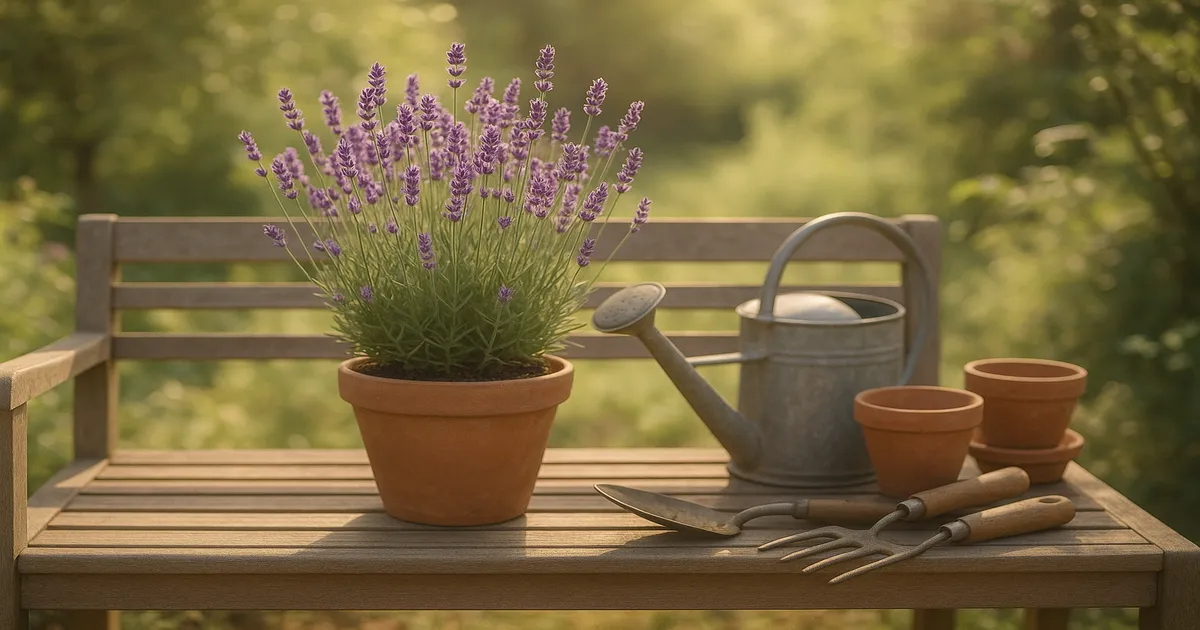
Quick Answer: To grow lavender successfully, give it full sun (6–8 hours minimum), fast-draining soil amended with 30–50% inorganic grit, a pH of 6.5–7.5, infrequent deep watering, and annual pruning. Get those five things right and it’s a remarkably low-maintenance plant. Get them wrong — especially the drainage — and root rot will kill it faster than almost anything else.
Learning how to grow lavender comes down to one core insight: this is a Mediterranean plant that evolved on rocky, sun-baked hillsides with thin, nutrient-poor soil and dry summers. Treat it like a thirsty cottage plant and you’ll lose it quickly. Treat it like the tough, drought-adapted shrub it actually is, and it will reward you with years of fragrant blooms and almost no fuss.
Choosing the Right Lavender Variety
Before you buy anything, match the species to your USDA hardiness zone. Planting a tender Spanish lavender in Zone 5 is a guaranteed disappointment, no matter how good your soil prep is.
| Species | Common Name | USDA Zones | Key Traits |
|---|---|---|---|
| Lavandula angustifolia | English lavender | 5–8 | Most cold-hardy; best for culinary use |
| Lavandula x intermedia | Lavandin | 5–8 | Higher oil yield; larger plant |
| Lavandula stoechas | Spanish lavender | 7–11 | Distinctive “rabbit ear” bracts |
| Lavandula dentata | French lavender | 8–11 | Toothed leaves; nearly evergreen |
English lavender (L. angustifolia) is the workhorse for most home growers. It tolerates temperatures down to around -20°C (-4°F) in well-drained soil and is the only species worth using in the kitchen — the others can taste medicinal or camphoraceous.
Lavandin (L. x intermedia) grows larger and blooms a few weeks later (July–August). If you want maximum fragrance or you’re growing for dried bunches, it’s hard to beat.
Spanish and French lavender are showier with longer bloom seasons, but they won’t survive a hard freeze. In Zones 7–11 they’re excellent; everywhere else, treat them as annuals or bring them indoors for winter.
Top Cultivar Picks
- ‘Hidcote’ (L. angustifolia): Compact at 45–60 cm, deep violet flowers, RHS Award of Garden Merit. Excellent for edging and containers.
- ‘Munstead’ (L. angustifolia): Early bloomer with better humidity tolerance than most. A reliable choice for the eastern U.S.
- ‘Grosso’ (L. x intermedia): The commercial oil standard — vigorous, highly fragrant, grows to 90 cm. Needs space.
- ‘Phenomenal’ (L. x intermedia): The best pick for humid southeastern climates, with exceptional heat and humidity tolerance.
- ‘Edelweiss’ (L. angustifolia): A white-flowering cultivar with identical care requirements to the purple types.
How to Grow Lavender: Soil, Drainage, and pH
Why Drainage Matters More Than Anything Else
Lavender’s native habitat receives just 400–600 mm of rain annually, mostly in winter when the plant is dormant. Its woody taproot evolved in rocky, free-draining soils where water moves through quickly and oxygen always reaches the roots. In waterlogged conditions, Phytophthora root rot and Botrytis cinerea (gray mold) can destroy a plant within days. Soil that stays wet for more than 24–48 hours after watering is already a problem.
Don’t just amend the planting hole — work inorganic grit throughout the entire bed to a depth of 45 cm so the whole soil profile drains freely.
- Blend 30–50% inorganic grit (coarse horticultural sand, pea gravel, or perlite) into your native soil
- Avoid builder’s sand — the fine particles can worsen compaction rather than improve drainage
- If your native soil is heavy clay, a raised bed 15–30 cm above grade is the most practical fix
Soil pH: Test Before You Plant
Lavender wants a pH of 6.5–7.5. Below pH 6.0, aluminum and manganese reach levels that are toxic to roots. Most standard potting mixes sit at pH 5.5–6.5 — fine for many plants, but slightly too acidic for lavender to perform at its best.
Test your soil with a calibrated digital pH meter before planting. (Apera Instruments AI209) If the reading is too low, incorporate agricultural limestone at around 100–200 g per square metre to raise pH by roughly half a unit.
Container Soil Mix
Use a terracotta pot with multiple drainage holes — terracotta wicks moisture away from the root zone far better than plastic. A reliable mix:
- 50% good-quality potting mix
- 30% perlite or coarse horticultural grit
- 20% horticultural limestone grit (which also nudges pH in the right direction)
Never sit the pot in a saucer that holds standing water.
Sunlight, Watering, and Feeding
Sun Requirements
Six to eight hours of direct sun is the minimum — and that’s a hard floor, not a target. In lower light, plants stretch and become leggy, produce fewer flower spikes, and are far more susceptible to fungal disease because foliage dries more slowly.
Growing lavender indoors is genuinely challenging. A bright windowsill typically delivers only 1,000–2,000 foot-candles — well below the 2,000–4,000 foot-candles lavender needs to flower and stay healthy. If you want to try it inside, full-spectrum grow lights running 14–16 hours a day are essential. For most people, lavender is simply better kept as an outdoor or patio plant.
How Often to Water Lavender
Once established in the ground, lavender needs far less water than most gardeners expect. In summer, every two to three weeks is usually enough; in cooler seasons, once a month or less. The method matters: water deeply — aim to wet the soil to 30 cm — then let it dry out completely before watering again.
A few firm rules:
- Never use overhead irrigation; wet foliage invites fungal disease
- Never water on a fixed schedule — check the soil first
- Container plants dry out faster than in-ground plants and need more frequent monitoring
Fertilizing: Less Is More
Lavender evolved in nutrient-poor soil. Excess nitrogen produces lush, soft growth that flowers poorly, attracts aphids, and is more vulnerable to disease. One light application of a low-nitrogen, slow-release granular fertilizer (NPK around 5-10-10) in early spring is all you need. (Espoma Organic Plant-tone 5-3-3) For established plants in reasonable soil, skipping fertilizer entirely is often the right call.
How to Prune Lavender
Why Annual Pruning Is Non-Negotiable
Without annual pruning, lavender turns woody and hollow at the base within a few years. Flowering retreats to the stem tips, and reduced air circulation through the canopy creates exactly the humid microclimate that Botrytis thrives in. Consistent pruning is the single most important thing you can do to extend a plant’s productive life.
Spring Pruning
Wait until you see 2–5 cm of fresh green growth emerging from the base — that’s your signal the plant is actively growing and ready to cut. Don’t prune before this point; you need that new growth as your guide.
Cut back one-third to one-half of the plant’s overall height using sharp bypass pruners, always cutting into green wood.
Post-Bloom Trim
Immediately after the first bloom flush, give the plant a light trim — removing spent flower stems and tidying the shape. This encourages a second flush in late summer and keeps the plant compact.
The Golden Rule: Never Cut Into Old Wood
Lavender cannot regenerate from brown, lignified wood. Cut below the lowest green leaves on any stem and that stem will not regrow. If a plant has become severely woody with very little green growth near the base, take cuttings and start fresh rather than attempting a hard renovation.
Common Problems and How to Fix Them
Overwatering and Root Rot
Symptoms include wilting despite moist soil, blackened or mushy roots, and gray mold at the crown. If you catch it early:
- Remove the plant from the ground or pot
- Trim all blackened, mushy roots with sterilized pruners
- Dust cut surfaces with powdered sulfur or cinnamon
- Let roots air-dry for 1–2 hours
- Replant in fresh, well-draining medium and hold off watering for several days
Woody or Brown Stems
Brown, woody stems at the base are normal as lavender ages — consistent annual pruning is the fix. Brown, brittle stems higher up after a hard frost indicate frost damage. Wait until spring, confirm which stems have viable green tissue, and prune back to healthy growth.
Won’t Bloom
The two most common culprits are insufficient light and too much nitrogen. Check both before anything else. Move the plant to a sunnier spot if needed and stop feeding with high-nitrogen products.
Humidity and Poor Air Circulation
Space plants at least 60–90 cm apart. Avoid overhead watering. In persistently humid climates, prioritize ‘Phenomenal’ or ‘Munstead’, and apply a preventive sulfur dust or copper-based fungicide during humid periods. Remove and bin (don’t compost) any material showing gray mold.
Frost Damage and Winter Protection
Before the first hard freeze, apply a 5–8 cm layer of coarse gravel mulch around the crown, pulled back a few centimetres from the main stem to prevent rot. Avoid bark mulch, which holds moisture. Move container plants against a south-facing wall or into an unheated cold frame when temperatures drop below -5°C (23°F).
Pests to Watch For
Lavender aphids (Aphis lavandulae) cluster on new growth and flower stems. A strong jet of water removes most colonies immediately; follow up with insecticidal soap spray targeting the undersides of leaves.
Spittlebugs (Philaenus spumarius) hide inside foam masses on stems. They’re mostly cosmetic in home gardens, but they’re confirmed vectors of Xylella fastidiosa — a bacterial pathogen causing widespread lavender dieback across Europe. Hand-remove foam masses promptly. For heavy infestations, a pyrethrin-based spray is effective. Unexplained scorching or sudden dieback should be reported to your local agricultural extension office.
Root weevils (Otiorhynchus spp.) are sneaky: larvae feed on roots underground while adults notch leaf margins at night, so damage is often well advanced before you notice it. Apply beneficial nematodes (Steinernema or Heterorhabditis species) to moist soil in late summer to target larvae. On containers, sticky barriers around the pot rim intercept adults.
Seasonal Care Calendar
Spring: Once 2–5 cm of new green growth appears, prune back one-third to one-half of the plant’s height. Follow with a single light application of slow-release, low-nitrogen fertilizer. Keep horticultural fleece handy for late frosts below -2°C after new growth has emerged.
Summer: L. angustifolia peaks in June–July; lavandin blooms July–August. Harvest flower spikes when one-quarter to one-half of the florets have opened for the best fragrance and colour when drying. After the first flush fades, trim lightly to encourage a second round. Water every two to three weeks and monitor for aphids and spittlebugs.
Autumn: Skip heavy pruning — the foliage insulates the crown through winter. Taper off watering and apply gravel mulch before the first hard freeze. September is an excellent time to take semi-hardwood cuttings for propagation.
Frequently Asked Questions About Growing Lavender
Can lavender grow indoors?
It can, but it’s difficult. A bright windowsill doesn’t deliver enough light to keep lavender flowering or healthy long-term. You’ll need full-spectrum grow lights providing 2,000–4,000 foot-candles for 14–16 hours a day. Most people find lavender performs far better outdoors or on a sunny patio.
Why won’t my lavender bloom?
Insufficient sunlight and too much nitrogen are the two most common causes. Lavender needs a minimum of six to eight hours of direct sun daily — less than that and flowering drops off sharply. High-nitrogen feeding encourages leafy growth at the expense of flowers. Move the plant to a sunnier spot and switch to a low-nitrogen fertilizer, or skip feeding altogether.
How long does lavender live?
With proper annual pruning, lavender has a productive garden life of roughly 10–15 years. Without regular pruning, plants become woody and hollow at the base within just a few years. Taking semi-hardwood cuttings every two to three years ensures you always have young, vigorous replacements ready when older plants eventually decline.
Is lavender deer-resistant?
Yes — strongly so. Deer find the intensely aromatic foliage unpalatable and generally leave lavender alone, making it a popular choice for rural gardens with high deer pressure. That said, no plant is completely deer-proof when food is scarce.
Can I grow lavender from seed?
You can, but germination is slow, inconsistent, and can take several weeks. Cultivar characteristics also don’t come true from seed reliably. Propagating from semi-hardwood stem cuttings taken in late summer or early autumn is far more reliable — you get a genetically identical plant that establishes much faster than a seedling.