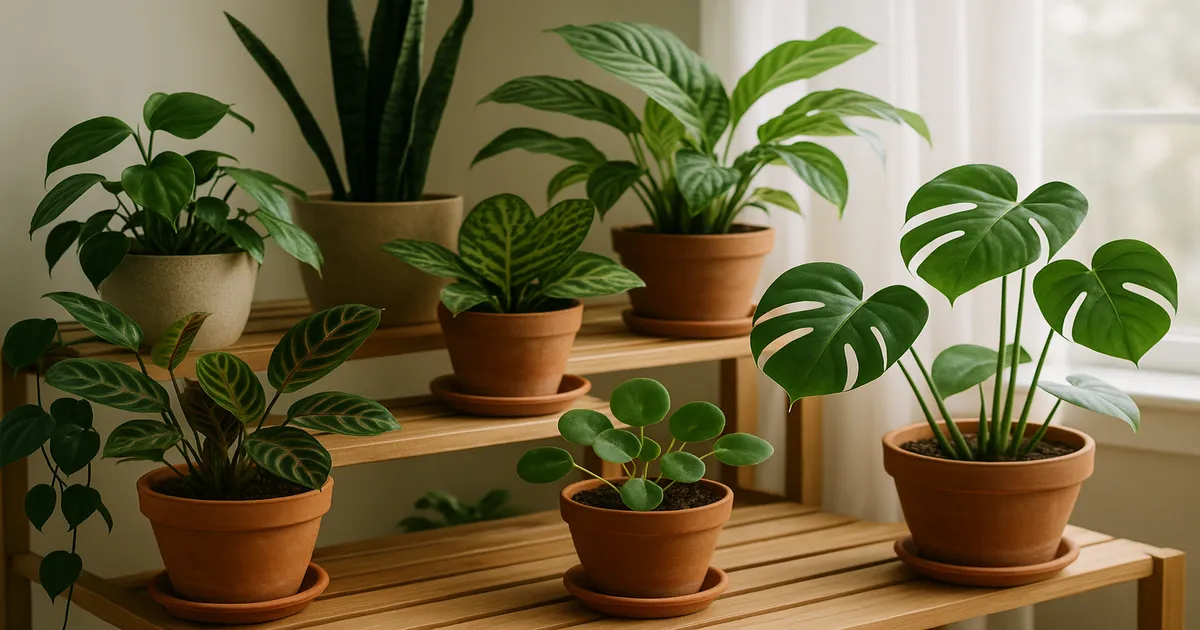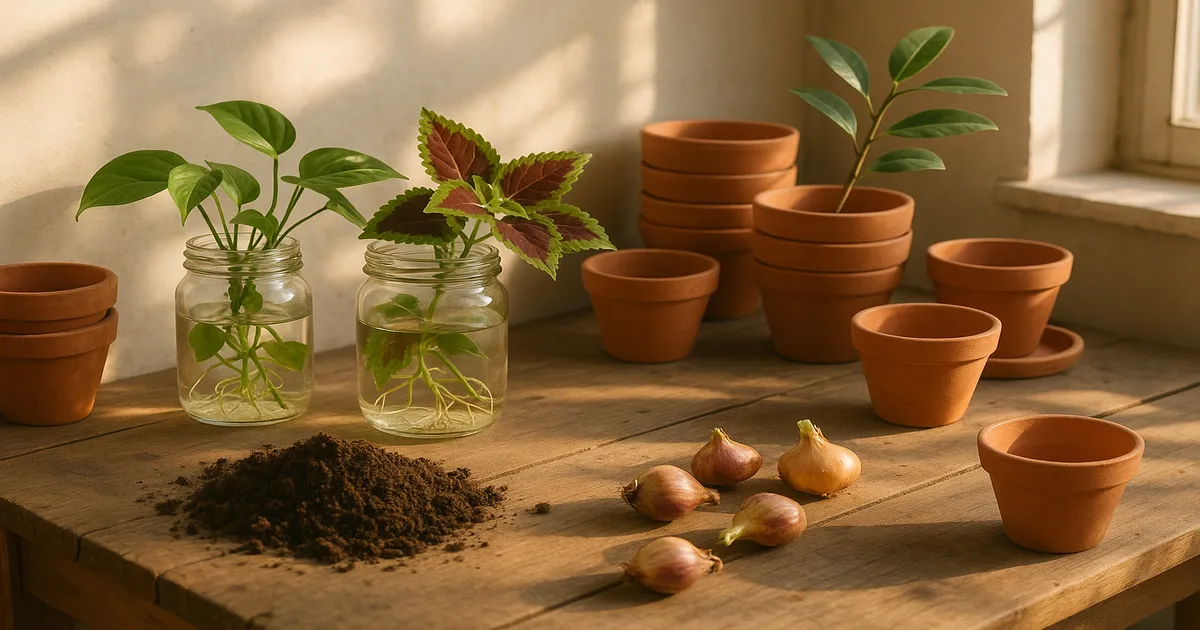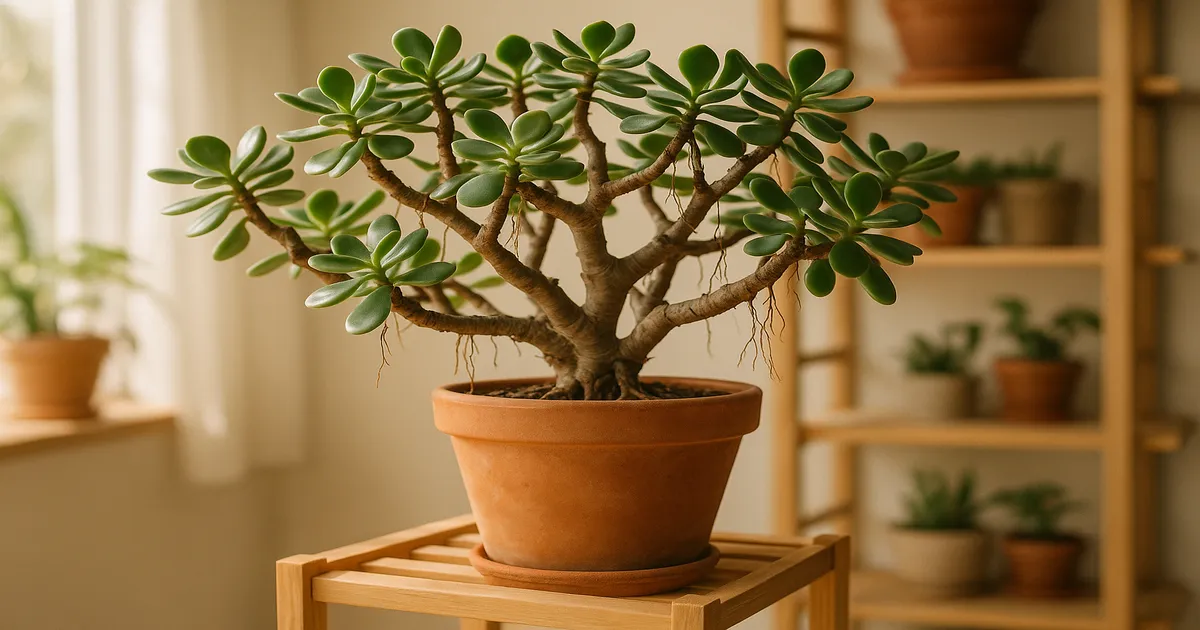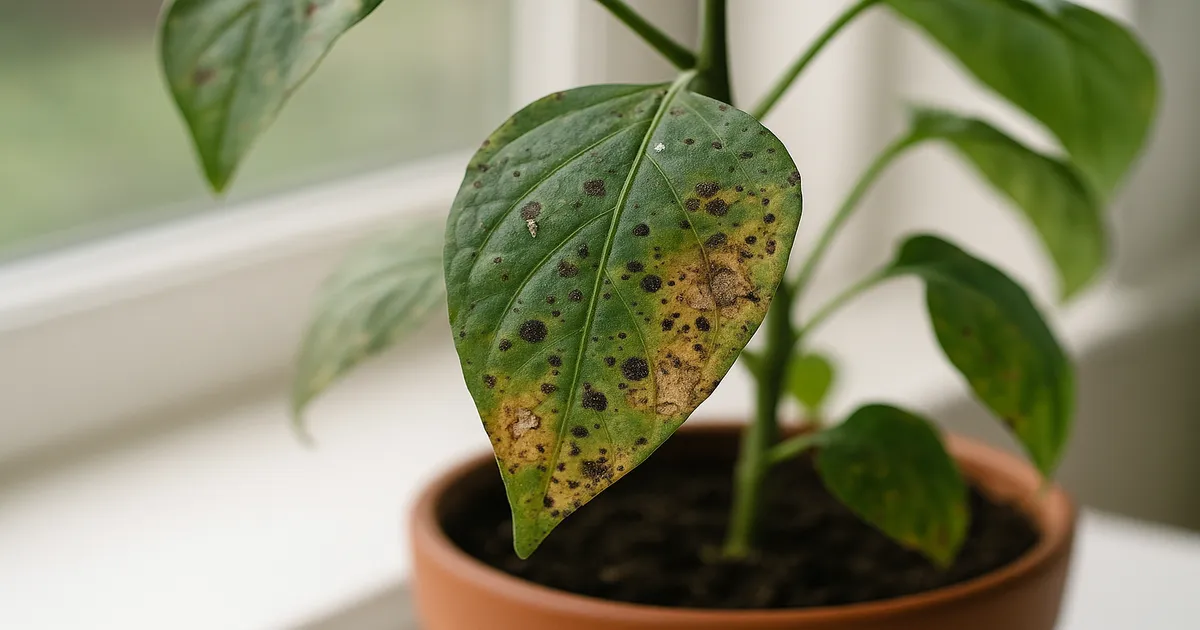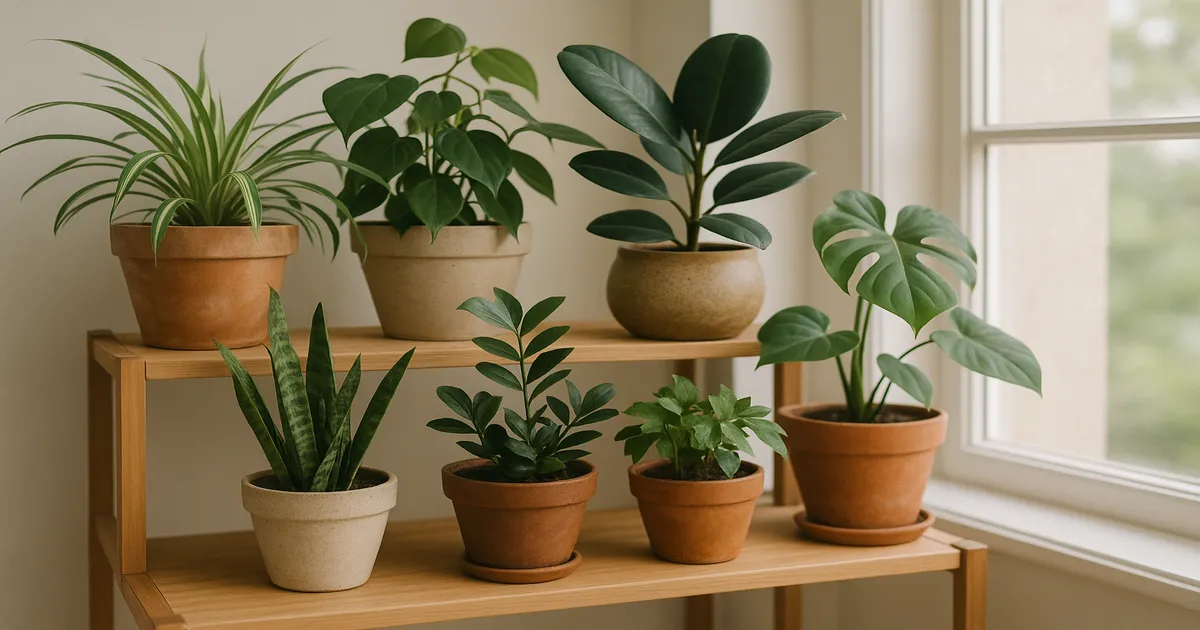
Quick Answer: If you’re staring at an unlabeled plant and wondering “does anyone know what plant is this?” — photograph it from multiple angles in natural light, then run those photos through a plant ID app like PictureThis or iNaturalist. Cross-check the result with a community like r/whatsthisplant. Most common houseplants belong to a handful of families, so even a rough ID gets you 80% of the way there in under ten minutes.
”Does Anyone Know What Plant Is This?” — How to Get a Fast, Accurate ID
The Two-Step Method That Works Every Time
Two steps get you a reliable answer in under ten minutes. First, take good photos — full plant, top and underside of a leaf, and the stem. Use natural light and skip the flash. Second, upload to a plant ID app and post to an online community at the same time. Apps are fast but occasionally wrong; real people catch what algorithms miss. Together, they’re hard to beat.
Before you photograph anything, note a few quick sensory details: Does the stem ooze milky sap when broken? Does the plant have a scent? Are the leaves waxy, velvety, or rough? These clues won’t show up in a photo but can be decisive when you’re describing the plant to a community.
Why Getting the ID Right Actually Matters
Correct Care Starts With the Right Name
A mislabeled plant isn’t just a minor annoyance — it can kill the plant. Watering schedules, light requirements, fertiliser needs, and humidity preferences are all species-specific. Treating a drought-tolerant Sansevieria (which prefers to dry out completely between waterings) like a moisture-loving Calathea (which wants consistently moist but never soggy soil) will rot its roots within weeks.
Toxicity Risks to Pets and Children
Many popular houseplants are dangerous to animals and small children. Aroids — the family that includes Monsteras, Philodendrons, and Pothos — contain calcium oxalate crystals that cause intense oral irritation. Euphorbias produce a milky latex sap that is toxic and can cause skin and eye burns. Knowing exactly what you have lets you make informed decisions about placement.
Propagation, Value, and Cultivar Accuracy
For collectors, genus-level ID isn’t enough. A Monstera deliciosa ‘Thai Constellation’ and a Monstera deliciosa ‘Albo Variegata’ look superficially similar but differ dramatically in price, rarity, and propagation behaviour. Getting the cultivar right matters — both for your own records and if you ever sell or trade cuttings.
Why Houseplant Identification Is Harder Than It Looks
Juvenile vs. Mature Leaves Look Completely Different
Heterophylly means one plant produces dramatically different leaf shapes at different life stages. Monstera deliciosa is the classic example: juvenile plants have small, heart-shaped, unlobed leaves that look nothing like the iconic fenestrated leaves of a mature specimen. Rhaphidophora tetrasperma is so often confused with juvenile Monstera that it’s sold as “Mini Monstera” — despite being a completely different genus.
This is why a cutting you bought online might look nothing like the photos in a Google search. Those photos almost always show mature, well-grown plants.
Convergent Evolution: Unrelated Plants That Look Identical
Unrelated plants sometimes develop nearly identical features in response to similar environments. A Euphorbia trigona can look remarkably like a cactus — but it’s more closely related to a poinsettia, produces toxic milky latex, and needs completely different care. Visual similarity is not a reliable guide to botanical relationship.
Misleading Common Names and Outdated Labels
Common names are unregulated and inconsistent. “Pothos” gets applied to Epipremnum aureum, Scindapsus pictus, and sometimes Epipremnum pinnatum — three distinct plants with different leaf textures and growth habits. Always treat common names as a starting point, never a conclusion.
Recent Taxonomic Reclassifications
DNA sequencing has reshuffled plant family trees significantly. Sansevieria was reclassified into Dracaena in 2017. Many Calathea species were moved to Goeppertia, though most nurseries still sell them as Calatheas. Older care guides and apps haven’t always caught up, which creates a fragmented and sometimes contradictory information landscape.
The Most Commonly Misidentified Houseplants
Pothos vs. Philodendron vs. Scindapsus
All three are vining aroids with heart-shaped leaves — no wonder they’re mixed up constantly. The practical trick: look at the petiole sinus, the gap where the leaf stalk meets the blade. In Pothos (Epipremnum aureum), the sinus is closed or nearly closed. In heartleaf Philodendron (Philodendron hederaceum), it’s open and clearly notched. Scindapsus pictus has a matte, satiny surface with silver markings — quite different from glossy Pothos once you know what to look for.
The Prayer Plant Complex: Calathea, Maranta, Ctenanthe, and Stromanthe
All four genera belong to Marantaceae and share patterned, oval leaves that fold upward at night. Marantas tend to have rounder leaves and a trailing habit. Calatheas (many now reclassified as Goeppertia) are more upright with bolder patterns. Care requirements are similar across the group, but knowing the genus helps you find accurate, specific advice.
Elephant Ears: Alocasia vs. Colocasia
The quickest visual test: Alocasia leaves point upward, while Colocasia leaves droop downward. Alocasia leaves also attach near the centre of the leaf base (peltate attachment), whereas Colocasia attaches at the notch. Care differences are significant — Colocasia tolerates wet soil and even standing water, while Alocasia prefers a well-draining mix and will rot in soggy conditions.
Succulents That All Look the Same (But Aren’t)
Echeverias, Graptopetalums, Pachyverias, and Sedums all form rosettes of fleshy leaves and are endlessly confused with each other. Flower shape and colour are often the most reliable distinguishing features — worth waiting for if you’re unsure. In the meantime, note leaf thickness, whether leaves have a powdery coating (glaucous), and how readily they detach.
How to Identify a Plant: Step by Step
Step 1: Do a Quick Visual Assessment
Work through this checklist before reaching for your phone:
- Leaf shape: Heart-shaped (cordate), lance-shaped (lanceolate), oval (ovate), or lobed (palmate/pinnate)?
- Leaf margin: Smooth (entire), toothed (serrated), or wavy (undulate)?
- Leaf texture: Glossy, matte, velvety, waxy, or hairy?
- Leaf arrangement: Alternate, opposite, or rosette?
- Venation: Parallel veins = likely a monocot (aroids, palms, bromeliads). Branching, net-like veins = likely a dicot.
- Stem: Woody, herbaceous, succulent, or producing aerial roots?
- Growth habit: Upright, trailing, climbing, or rosette-forming?
This filter alone can place your plant into a family — which makes every subsequent search far more efficient.
Step 2: Use a Plant ID App
Apps like PictureThis, iNaturalist, and PlantNet use image recognition and are genuinely impressive for common species. For best results:
- Photograph a single leaf against a neutral background (white paper works well)
- Submit at least 3–4 photos: full plant, leaf top, leaf underside, and stem
- Include a coin or ruler for scale
- Cross-reference results across two or three apps — if they all agree, you can be fairly confident
Apps struggle with rare cultivars, heavily variegated specimens, and juvenile plants. Treat the result as a strong hypothesis, not a confirmed answer.
Step 3: Post to an Online Plant ID Community
Reddit’s r/whatsthisplant is remarkably fast and accurate — posts often get responses within minutes. r/houseplants and genus-specific communities like r/hoyas or r/begonias are worth using once you have a preliminary ID to confirm.
A post that gets fast, accurate answers includes: your location or climate, where the plant came from, approximate size and age, any care history you know, and a description of texture, scent, or sap colour. Photos alone are helpful; photos plus context are much better.
Step 4: Verify Against a Botanical Database
Once you have a candidate name, check it against a proper source:
- Plants of the World Online (POWO) — Royal Botanic Gardens, Kew’s authoritative taxonomic database
- iNaturalist — community-verified observations with geographic data
- Tropicos — Missouri Botanical Garden’s database, strong on taxonomy history
These databases won’t identify your plant from a photo, but they confirm whether the name you have is current and valid.
Step 5: Ask a Local Expert
For a plant you genuinely cannot identify, a physical visit beats any app. Local botanical gardens often offer identification services. Specialist nurseries — particularly those focused on aroids, succulents, or orchids — typically employ staff with deep genus-level knowledge. University horticulture departments and Master Gardener programs through cooperative extension services are also excellent, often free resources.
If you suspect a plant may be toxic and a child or pet has been exposed, contact a poison control center directly — they maintain extensive plant identification resources for exactly this purpose.
Building Your Plant ID Skills Over Time
Learn Plant Families, Not Just Individual Species
Memorising five families will take you further than memorising fifty individual species:
- Araceae (aroids): spathe-and-spadix flowers, frequent aerial roots, calcium oxalate toxicity — includes Monstera, Philodendron, Pothos, Alocasia
- Crassulaceae: succulent leaves, typically rosette-forming, star-shaped flowers — includes Echeveria, Sedum, Crassula
- Marantaceae: prayer-plant leaf movement, feathered parallel venation — includes Calathea, Maranta, Stromanthe
- Bromeliaceae: stiff rosette leaves, central water-holding tank, often epiphytic — includes Tillandsia, Guzmania, Neoregelia
- Orchidaceae: highly specialised flowers, often epiphytic with velamen-coated aerial roots — includes Phalaenopsis, Dendrobium
Once you can spot a family by sight, you’ve done 70% of the identification work before you’ve even opened an app.
Label Every Plant You Buy — Before You Forget
The best time to label a plant is the moment you bring it home. Use waterproof labels or engraved metal stakes — pencil on wooden stakes is surprisingly more durable in damp soil than most inks. Record the common name, botanical name, cultivar if known, purchase date, source, and price.
Keep a Digital Plant Journal
Take a photo of every new plant the day you bring it home, including the nursery label if there is one. Apps like Greg Plant Care App let you log plants with photos and care notes , but even a dedicated folder in your phone’s camera roll is better than nothing. These early photos become invaluable reference points as your plants grow and change.
Stay Current With Botanical Name Changes
Taxonomy updates happen regularly and can make older care content misleading. Before sharing care advice, check Plants of the World Online for the currently accepted name. Following updates from the Angiosperm Phylogeny Group (APG) keeps you ahead of the changes that trip up even experienced plant people.
Frequently Asked Questions
What is the best free app to identify a plant from a photo?
PictureThis, iNaturalist, and PlantNet are the most widely used free options. iNaturalist combines AI recognition with community verification by real botanists, which tends to produce more reliable results for less common species. For best accuracy, submit multiple photos from different angles and cross-check results across at least two apps.
How do I identify a houseplant by its leaf shape?
Start by checking whether the veins run parallel (monocot) or branch in a network (dicot) — this single observation narrows your options dramatically. Then describe the overall shape: cordate (heart-shaped), ovate (egg-shaped), lanceolate (narrow and pointed), or palmate (hand-like lobes). Search those descriptors alongside leaf colour, texture, and growth habit in a botanical database or plant ID community.
Why does my plant look different from photos of the same species online?
Most plant photos online show mature, well-grown specimens in ideal conditions. Juvenile plants often have completely different leaf shapes — a young Monstera looks nothing like an adult one. Low light, low humidity, or nutrient deficiency also alter leaf size, colour, and shape. Your plant is probably the same species; it just hasn’t reached the growth stage shown in the reference photos yet.
How can I tell the difference between Pothos and Philodendron?
Look at the petiole sinus — the gap where the leaf stalk meets the blade. In Pothos (Epipremnum aureum), the sinus is closed or nearly closed, giving the leaf a slightly asymmetrical base. In heartleaf Philodendron (Philodendron hederaceum), the sinus is open and clearly notched. Pothos leaves also tend to be thicker and more waxy; Philodendron leaves are thinner and slightly softer to the touch. A jeweler’s loupe can help you examine these fine details up close.
Does anyone know what plant is this — where’s the best place to ask online?
Reddit’s r/whatsthisplant is the most active and reliable community for quick answers. For genus-specific questions, try r/hoyas, r/begonias, or r/aroids. Facebook groups like “Houseplant Identification” also have large, knowledgeable memberships. Whichever platform you use, post multiple clear photos and include as much context as possible — location, size, texture, and where you got the plant.