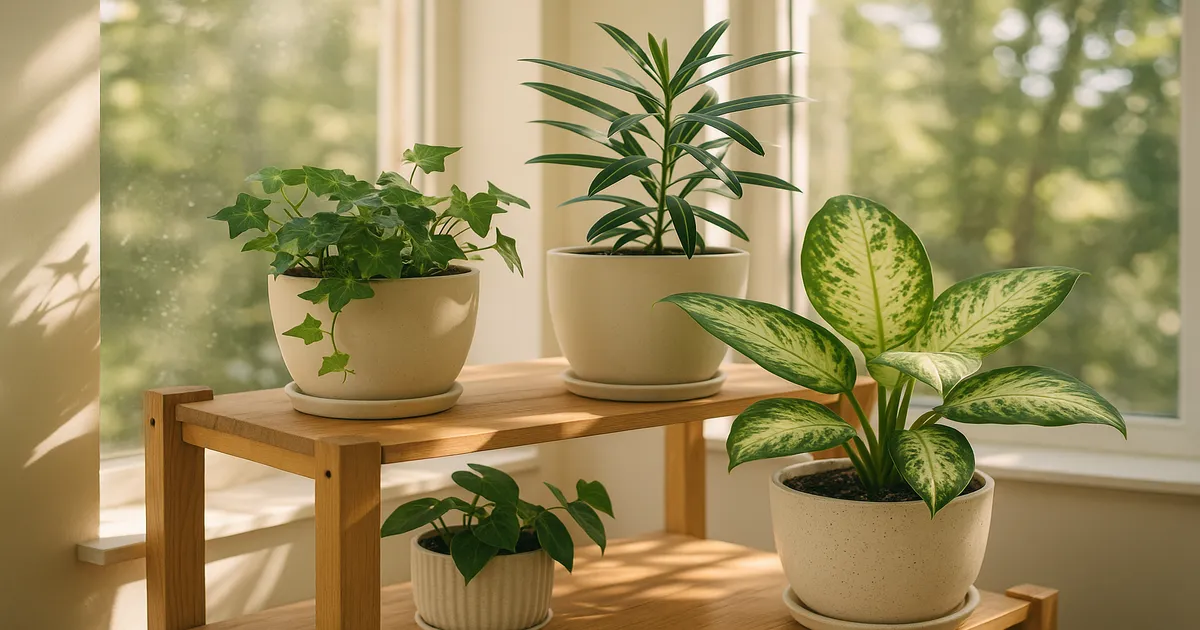
Quick Answer: The plants most gardeners refuse to own fall into a few clear categories: species that are toxic to humans or pets, invasive growers that can damage property or break the law, extreme-care divas that demand near-impossible conditions, legally restricted or ethically problematic specimens, and plants that are simply too big, too expensive, or too deceptive to be worth it. This guide covers the science behind each category so you can make genuinely informed decisions — not just follow hobbyist folklore.
Ask any experienced grower what is a plant they will never own or buy, and you’ll get passionate, specific answers — usually with a story involving a ruined carpet, a sick cat, or a bamboo shoot cracking through a patio. Some plants earn their bad reputation through genuine danger. Others are victims of poor labelling, unrealistic care expectations, or legal complications most buyers never see coming. This article covers the full spectrum, with the science to back it up.
Toxic Plants No Responsible Gardener Should Grow
Nerium Oleander: Every Part Can Kill
Oleander is shockingly common in landscaping — and shockingly dangerous. Every part of the plant contains cardiac glycosides (primarily oleandrin and neriine) that inhibit the Na⁺/K⁺-ATPase pump in heart muscle cells, causing potentially fatal arrhythmia. The LD50 for oleandrin is approximately 1–5 mg/kg body weight, and a single leaf has been linked to human fatalities. Even smoke from burning pruned branches is toxic. This is not a plant that belongs near children, pets, or anyone who doesn’t understand the risk.
Datura: Toxic Through Skin Contact Alone
Datura looks dramatic and gothic — which is exactly why people plant it. But every part contains tropane alkaloids (atropine, scopolamine, hyoscyamine) that block muscarinic acetylcholine receptors and disrupt the parasympathetic nervous system. The gap between a recreational “dose” and a lethal one is extremely narrow, and anticholinergic toxidrome can develop from skin contact alone. It genuinely doesn’t belong in a residential garden.
Euphorbia Tirucalli: The Sap That Can Blind You
The pencil cactus looks sculptural and minimal. Its milky white latex is another matter. It contains phorbol esters and diterpenoids that cause chemical burns, severe dermatitis, and — if it reaches your eyes — corneal damage within minutes. Ophthalmologists classify ocular exposure as a medical emergency requiring immediate irrigation. Long-term exposure studies have also flagged phorbol esters as tumour promoters. Wear nitrile gloves every single time you touch it.
Giant Hogweed: Phototoxic Burns and Legal Consequences
Giant hogweed (Heracleum mantegazzianum) can reach 5.5 metres tall and looks impressively architectural. It’s also a Federal Noxious Weed — illegal to plant, sell, or transport across state lines in the U.S. Its sap contains furanocoumarins that are inert until UV light activates them on your skin, at which point they cause third-degree chemical burns and permanent scarring. This is not a plant for any garden under any circumstances.
Plants That Are Dangerous to Pets and Children
Why Cats and Dogs React Differently
Pets metabolize plant compounds through different cytochrome P450 enzyme systems than humans. Cats lack the UGT1A6 enzyme needed to process many phenolic compounds, making them acutely vulnerable to plants a human might handle without serious consequence. Dogs are particularly susceptible to cycasin, the active toxin in sago palm. These aren’t minor sensitivities — they can be fatal within hours.
Sago Palm: A 50–75% Fatality Rate Even With Treatment
The sago palm (Cycas revoluta) is sold widely as a low-maintenance ornamental. It contains cycasin, a glycoside that metabolizes into methylazoxymethanol, causing hepatic necrosis in dogs. The mortality rate is 50–75% even with aggressive veterinary treatment, and there is no antidote. If you have dogs, this plant cannot be in your home or yard — full stop.
True Lilies and Acute Kidney Failure in Cats
For cat owners, Lilium and Hemerocallis (daylily) species are life-threatening. Even pollen exposure — a cat brushing against a cut flower arrangement — can trigger acute renal tubular necrosis. The exact mechanism isn’t fully understood, but toxicity appears dose-independent, meaning there is no safe amount. The ASPCA Toxic Plant Database is the most reliable resource for confirming which species are implicated.
Calcium Oxalate Plants: Dieffenbachia, Philodendron, and Alocasia
These popular tropicals contain raphide crystals — microscopic needle-like structures that physically puncture tissue and trigger enzymatic irritation simultaneously. In pets and children, ingestion causes intense oral burning, swelling, and difficulty swallowing. Not typically fatal, but the suffering is real and immediate.
Safe Substitutes for Every Toxic Favourite
| Avoid | Use Instead |
|---|---|
| Pothos (Epipremnum) | Peperomia spp. |
| Sago Palm | Parlor Palm (Chamaedorea elegans) |
| Dieffenbachia | Calathea / Goeppertia spp. |
| Lilium spp. | Phalaenopsis orchid |
Invasive Plants That Can Destroy Your Garden — and Break the Law
Running Bamboo: The Underground Threat to Foundations
Running bamboo (Phyllostachys spp.) is one of the most common regret purchases in gardening. Rhizomes travel 3–5 metres laterally per year underground, emerging through pavement, cracking foundations, and surfacing in neighbouring gardens. Even a heavy-duty root barrier — minimum 60 mil HDPE, installed 60–90 cm deep — is not a guarantee. Clumping bamboo (Bambusa spp.) is a far safer choice if you want the aesthetic without the litigation risk.
Japanese Knotweed: Rhizomes That Survive 7 Metres Deep
Japanese knotweed (Reynoutria japonica) is the plant that has invalidated UK mortgage applications. Rhizomes regenerate from fragments as small as 1 cm and can persist 7 metres deep in soil, surviving most herbicide treatments and mechanical removal attempts. It’s banned or restricted across multiple U.S. states and should never be purchased intentionally.
Water Hyacinth: Doubling Its Mass Every Two Weeks
Water hyacinth (Eichhornia crassipes) is beautiful, cheap, and catastrophically invasive in warm climates. It doubles its biomass in approximately two weeks, forming dense mats that deplete oxygen and block light for aquatic ecosystems. It’s banned in Florida, Texas, and California. If you have an outdoor pond in a warm climate, this is not a plant you can safely contain.
What Is a Plant You Will Never Own? High-Maintenance Plants That Aren’t Worth the Effort
Ficus Benjamina: The Leaf-Drop Drama Queen
Ficus benjamina drops leaves in response to ethylene fluctuations as small as 0.1 ppm — which can happen simply from moving the pot across the room. It’s also a Class IV contact allergen, and its volatile organic compounds can trigger asthma in sensitive individuals. The cost-benefit ratio is terrible compared to a dozen easier alternatives.
Dracula Orchids and Medinilla: Impossible Home Conditions
Dracula orchids require 85–95% relative humidity with constant airflow — a combination that essentially demands a dedicated, actively ventilated terrarium. Medinilla magnifica needs a cool dry rest period of 15–18°C for 6–8 weeks to trigger blooming; most centrally heated homes can’t provide this. These are spectacular plants that have evolved into ecological niches that simply don’t exist in the average house.
Lithops: The Narrow Watering Window That Defeats Most Growers
Lithops are endlessly appealing on social media and endlessly frustrating in practice. They need bright direct light at 8,000–10,000+ foot-candles for several hours daily, and their optimal watering window is roughly two to three days per month — typically in autumn when new leaves are forming. Water outside that window and you get rot; withhold too long and you get shrivelling. A quality full-spectrum grow light helps significantly here. Most beginners kill them within a year.
Legally Restricted and Ethically Problematic Plants
Federal Noxious Weeds: What You Cannot Legally Own
The USDA Federal Noxious Weed list includes kudzu (Pueraria montana var. lobata), giant hogweed, and witchweed (Striga spp.), among others. It is illegal to import, sell, or transport these species across state lines. State-level restrictions go further — many states ban additional species not on the federal list. Check your state’s Department of Agriculture invasive species list before purchasing any unfamiliar plant.
CITES-Protected Species: Why Wild-Collected Plants Are a Problem
Many orchids, cacti, and cycads are protected under CITES appendices, meaning international trade is regulated or prohibited without documentation. Wild-collected specimens are frequently sold without proper paperwork, often mislabelled. Purchasing them directly funds destructive harvesting. Always request a propagation certificate and buy from nurseries that can demonstrate ethical sourcing.
Peyote and Controlled Plant Substances
Lophophora williamsii (peyote) is a Schedule I controlled substance in the United States. Wild populations in Texas have declined by over 30% due to collection pressure, and the plants grow approximately 1 cm per year — making recovery extremely slow. Possession is illegal outside specific religious exemptions.
Plants Sold Deceptively Small — and What They Actually Become
Bismarck Palm: From Nursery Pot to 25-Metre Giant
The Bismarck palm (Bismarckia nobilis) is sold as a compact ornamental and matures to 18–25 metres tall with a 6-metre crown spread. It’s a stunning tree — for a large estate or a public park. In a suburban garden, it will eventually dwarf every structure around it and become expensive or impossible to remove.
Hoya Kerrii Single Leaves: The Plant That Will Never Grow
This is one of the most persistent retail deceptions in the houseplant world. A single heart-shaped Hoya kerrii leaf sold without a node will never develop into a full plant. It will sit there looking alive for months — possibly years — and never produce a single new leaf. It’s a novelty item, not a plant. If you want a Hoya kerrii, buy a rooted cutting with at least one node visible.
Variegated Monstera Albo: Is the Price Ever Justified?
The variegation in Monstera deliciosa ‘Albo Variegata’ is caused by a chimeric mutation — genetically unstable and impossible to reliably reproduce from seed. Prices have ranged from $50 to over $5,000 per cutting depending on market conditions and variegation pattern. The plant can also revert to solid green. Unless you’re an experienced collector who understands the risk, this is a speculative purchase, not a reliable addition to your collection.
How to Research Any Plant Before You Buy
- Look up the species on the ASPCA Toxic Plant Database (aspca.org/pet-care/animal-poison-control)
- Check the USDA Federal Noxious Weed list and your state’s invasive species registry
- Search the species name + “mature size” — never trust the nursery pot as a size reference
- For any orchid, cactus, or cycad, verify CITES status before purchasing
- Ask the seller for propagation documentation if the plant is rare or expensive
For humidity-loving plants, an ultrasonic humidifier targeting 60–80% RH is far more effective than misting. For light, a quantum PAR meter removes the guesswork when you’re trying to hit specific foot-candle targets for fussy species.
Frequently Asked Questions
What is a plant that you will never own or buy — and why do so many gardeners agree?
The most universally avoided plants combine genuine danger with low reward. Sago palm tops the list for pet owners because of its near-50% canine fatality rate. Running bamboo is the most regretted garden purchase due to its destructive rhizomes. And single-leaf Hoya kerrii cuttings are the most common retail deception — they look alive but will never grow.
What is the most toxic houseplant you can own?
Nerium oleander is widely considered the most dangerous commonly available plant. Every part is toxic, cardiac glycosides can cause fatal arrhythmia, and the LD50 for oleandrin is approximately 1–5 mg/kg. Euphorbia tirucalli and Datura are close contenders — both can cause serious harm through skin contact alone.
Which common houseplants are dangerous to cats and dogs?
Sago palm carries the highest fatality risk for dogs, with a 50–75% mortality rate even with treatment. True lilies (Lilium and Hemerocallis spp.) cause acute kidney failure in cats even from pollen exposure. Dieffenbachia, Philodendron, and Alocasia cause painful oral injury in both species. The ASPCA Toxic Plant Database is the most comprehensive reference for pet-safe decisions.
What plants are illegal to grow in the United States?
Federal Noxious Weeds — including kudzu, giant hogweed, and witchweed — are illegal to import, sell, or transport across state lines. Peyote (Lophophora williamsii) is a Schedule I controlled substance. Many additional species are banned at the state level; always check your state’s Department of Agriculture invasive species list before planting anything unfamiliar.
What houseplants should you never buy as a beginner?
Avoid fiddle-leaf figs (highly sensitive to environmental changes), Lithops (unforgiving watering requirements), and any variegated Monstera cultivar (expensive and genetically unstable). Steer clear of Ficus benjamina if you dislike sweeping up fallen leaves daily. Start instead with Peperomia, Calathea, or Parlor Palm — plants that reward attention without punishing minor mistakes.