Quick Answer: Repotting a plant twice in one season is generally not recommended — it compounds transplant shock and can seriously weaken your plant. That said, genuine emergencies like root rot, soil-dwelling pests, or a cracked pot absolutely justify a second move. If you catch a real problem, acting quickly is better than leaving the plant to suffer.
Wondering whether you should repot plants twice in one season is something most plant owners face at some point — usually after something goes wrong the first time. Maybe you spotted root rot a week after repotting, or you’ve just found tiny white bugs clinging to the roots. The good news is that a second repotting isn’t always a disaster. The key is knowing when it’s genuinely necessary and how to do it with minimum stress to your plant.
What Happens When You Repot a Plant?
Every time you repot, you disturb the root tips — the meristematic tissue where active cell division happens. These tips are sensitive to mechanical damage, drying out, and osmotic shock from new soil. Once disturbed, the plant shifts energy away from leaves and shoots toward root repair, a process driven by auxin redistribution (the hormone governing root development).
Transplant shock is the result: root damage prevents the plant from absorbing water and nutrients normally. You’ll see wilting, leaf drop, or a sudden halt in new growth — even when the soil is moist. Recovery time varies widely. A pothos (Epipremnum aureum) might bounce back in one to two weeks, while a Calathea or Haworthia can take four to eight weeks to fully re-establish.
Repotting twice compounds this stress. A plant still recovering from the first repotting has a partially rebuilt root system and a weakened immune response, making it more vulnerable to pathogens like Pythium root rot and to pest pressure. Think of it as asking someone to run a second marathon before they’ve finished the first.
8 Reasons You Might Need to Repot Plants Twice in One Season
1. You Chose the Wrong Pot Size
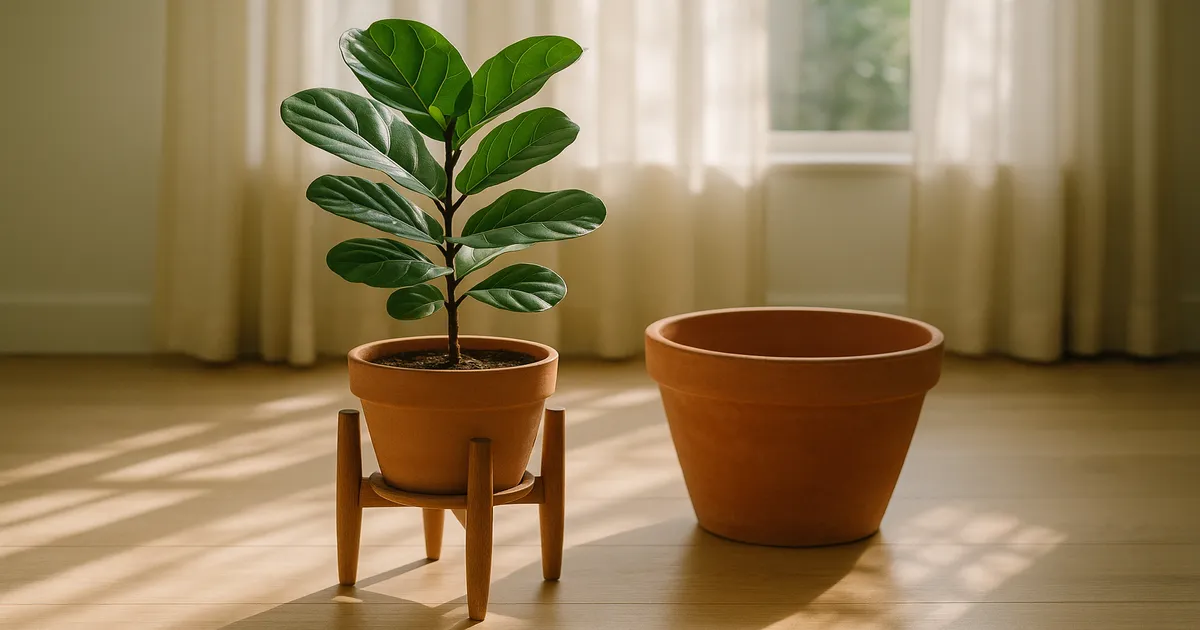
Going too large is the more dangerous mistake. Excess soil holds moisture the roots can’t absorb, creating the anaerobic conditions that Pythium and Phytophthora thrive in. Going too small can leave a fast grower root-bound within weeks. The ideal pot should be just 2–3 cm (roughly 1 inch) larger in diameter than the root ball — no more.
2. You Used the Wrong Potting Mix
Peat-based mixes that dry out completely become hydrophobic — water runs around the root ball rather than through it, and roots desiccate despite regular watering. Heavy garden soil compacts under repeated watering, dropping oxygen levels in the root zone below the 10–15% threshold roots need for healthy respiration. If the mix is the problem, the plant will keep struggling no matter how carefully you water.
3. Root Rot Was More Extensive Than You Realised
Pythium and Fusarium root rot can continue spreading after repotting if infected roots weren’t fully removed or if the new mix retains too much moisture. If your plant is still wilting despite moist soil, smells foul, or is blackening at the stem base, the rot wasn’t fully dealt with the first time. This is one of the most legitimate reasons to repot a second time.
4. Soil-Dwelling Pests Were Discovered After Repotting
Root mealybugs (Rhizoecus spp.) are notoriously easy to miss — their white, waxy colonies blend into root tissue and often only become visible on a second inspection. Vine weevil larvae chew roots entirely and are common in patio plants brought indoors for winter. Fungus gnat larvae (Bradysia spp.) damage root hairs in the top 5–7 cm of soil. If you find any of these after the fact, a full soil replacement is necessary.
5. The Plant Had an Unexpected Growth Surge
Some aroids — Monstera deliciosa, Rhaphidophora tetrasperma — can shift from juvenile to mature growth surprisingly fast during peak season, dramatically accelerating root production. A plant that looked fine in March can be severely root-bound by June, with roots escaping drainage holes and soil drying out within 24–48 hours of watering.
6. You Repotted at the Wrong Time of Year
Repotting in late winter before a plant has broken dormancy leaves roots sitting in fresh, moist soil with no energy to establish — a recipe for rot. Repotting in early autumn as growth slows has the same problem. If the timing was off the first time, a corrective repot once conditions improve is often the right call.
7. The Pot Cracked or Had No Drainage
Terra cotta pots crack, especially in fluctuating temperatures. It’s also surprisingly common to discover after the fact that a decorative pot has no drainage holes, causing waterlogging at the base. Both situations warrant an emergency repot regardless of how recently the plant was moved.
8. The Potting Mix Was Contaminated
Potting mix stored outdoors in open or damp bags can harbour fungal spores or insect eggs. If you notice a persistent foul odour or visible mould on the roots (not just surface mycelium, which is usually harmless), replacing the medium is the right move.
How to Safely Repot a Plant a Second Time
Treating Root Rot Before the Second Repot
- Remove all soil from the roots and rinse thoroughly under lukewarm water to expose the full root system.
- Use sterile scissors or pruning shears (wiped with 70% isopropyl alcohol) to cut away every brown, black, mushy, or foul-smelling root. Healthy roots are white to cream and firm.
- Treat cut surfaces with powdered cinnamon, sulfur, or a diluted hydrogen peroxide solution (3% concentration, mixed 1:3 with water).
- Allow roots to air-dry for 30–60 minutes before repotting.
- Use a sterile, well-draining mix — never reuse old soil. Adding 30–40% perlite or coarse pumice improves drainage significantly; a bag of Espoma Organic Perlite works well here.
- Choose a pot only slightly larger than the remaining healthy root mass. When in doubt, go smaller.
- Water sparingly for the first two to three weeks, letting the top 3–5 cm dry out between waterings.
Mixing a biological fungicide containing Trichoderma spp. or Bacillus subtilis into the new potting medium can help suppress residual pathogens — RootShield Plus Wettable Powder is a reliable option.
Handling Soil-Dwelling Pest Infestations
- Root mealybugs: Wash all roots in a diluted neem oil or insecticidal soap solution, then repot in fresh, sterile mix. Sterilise the pot with a 10% bleach solution before reuse.
- Vine weevil larvae: Remove larvae by hand, then apply beneficial nematodes (Heterorhabditis bacteriophora) to the new soil — most effective when soil temperature is above 14°C (57°F).
- Fungus gnats: Replace all soil, top-dress with coarse sand or fine gravel (1–2 cm deep), and introduce Steinernema feltiae nematodes as a biological control.
Quarantine the plant for two to four weeks after any pest-related repotting before returning it near other plants.
Choosing the Right Pot and Mix the Second Time Around
Stick to the 2–3 cm rule: the new pot should be just slightly larger than the remaining root ball. If you’re repotting after root rot treatment, you may actually need to downsize. Unglazed terra cotta is ideal after rot or overwatering issues because it allows moisture to evaporate through the walls — a set of D’vine Dev Terra Cotta Pots is a practical, affordable choice.
Match the mix to the plant type:
| Plant Type | Recommended Mix | Target pH |
|---|---|---|
| Tropical foliage | Coco coir or peat + 30–40% perlite + 10–20% orchid bark | 5.8–6.5 |
| Aroids (Monstera, Philodendron) | Chunky bark, perlite, and coco coir | 5.8–6.5 |
| Succulents & cacti | 40–50% coarse sand or pumice + well-draining mix | 6.0–7.0 |
| Orchids | Medium-grade orchid bark + perlite + horticultural charcoal | 5.5–6.0 |
Aftercare: Helping Your Plant Recover
Place the plant in bright indirect light (1,500–3,000 foot-candles) — not direct sun, which adds heat stress on top of root stress. For tropical species, maintain humidity at 50–70%. Hold off on fertiliser for four to six weeks; damaged roots are sensitive to fertiliser salts and can burn even with diluted feeds. A moisture meter removes the guesswork from watering during recovery — the XLUX Soil Moisture Meter is a simple, inexpensive option.
Which Plants Can Handle Being Repotted Twice?
Pothos (Epipremnum aureum) and Tradescantia spp. are the most forgiving — their roots regenerate aggressively and they bounce back quickly. Most fast-growing philodendrons also handle a second repotting reasonably well.
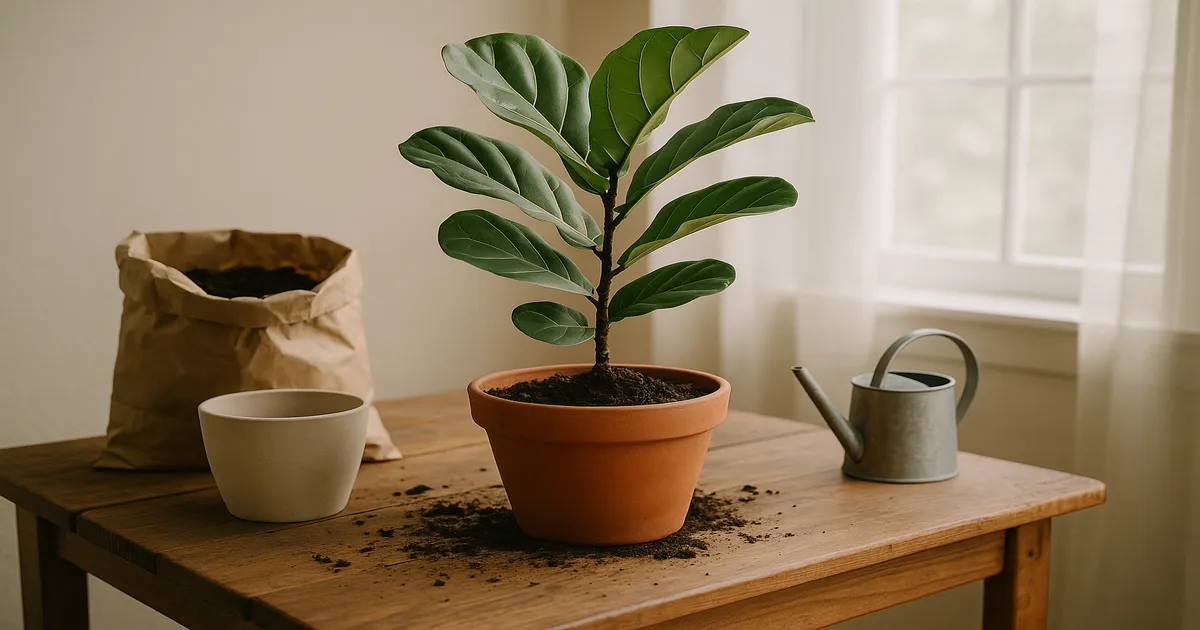
At the other end of the scale, Ficus benjamina and Ficus lyrata are notorious for dropping every leaf in response to environmental change. Calathea spp. may take weeks to recover from a single repotting and may not survive a second. Orchids have specialised velamen root tissue — a spongy, absorbent outer layer — that is easily damaged by repeated handling. Cacti and succulents depend on delicate mycorrhizal relationships in the root zone; disrupting these twice can leave them vulnerable to rot for months.
| Plant Category | Double-Repotting Risk |
|---|---|
| Pothos, Tradescantia | Low — recovers quickly |
| Aroids (Monstera, Anthurium) | Moderate — prefer slightly root-bound conditions |
| Tropical foliage (general) | Moderate |
| Calathea spp. | High — very stress-sensitive |
| Ficus spp. | High — prone to leaf drop |
| Orchids | High — velamen tissue vulnerable |
| Succulents & cacti | High — mycorrhizal disruption |
Signs Your Plant Needs Repotting Again (Even If You Just Did It)
- Continued wilting despite moist soil — the clearest sign something is still wrong below the surface. Check for a foul smell and blackening at the stem base.
- Roots escaping drainage holes within weeks — the plant was either severely root-bound before or the pot was too small.
- Foul odour, blackening stems, or visible mould — persistent foul odour combined with dark, mushy stem tissue at the soil line points to ongoing root rot.
- Water channelling around the root ball — if water pours straight through the pot within seconds without the soil absorbing it, the mix has become hydrophobic.
- Soil drying out within 24–48 hours — a sign of either severe root-binding or a mix that can’t hold adequate moisture.
How to Avoid Needing to Repot Twice in the Same Season
Most second repottings are preventable. Measure the root ball before buying a container, match the mix to the plant’s natural habitat, and time the repot for two to four weeks after the last frost date — or when indoor temperatures are consistently above 18°C (65°F) and new growth is actively emerging.
The single most effective prevention step is a thorough root inspection during the first repot. Wash the roots clean, look carefully for soft brown patches, and check for tiny white insects at the base of roots and in the soil. It takes five extra minutes and can save you an entire second repotting.
Frequently Asked Questions
Should I repot plants twice in one season if I just found root rot?
Yes — this is one of the few situations where a second repotting is clearly the right call. Leaving active root rot in place will kill the plant faster than the stress of repotting again. Remove all infected roots, treat with hydrogen peroxide or powdered sulfur, and move to fresh, well-draining mix immediately.
How long should I wait between repotting the same plant?
A minimum of three to four weeks for robust, fast-growing plants like pothos or philodendron. For stress-sensitive species like Calathea, orchids, or Ficus, wait until you see clear signs of active new growth — which may take six to eight weeks or longer. The plant showing you it has recovered is a more reliable signal than any fixed timeline.
Can repotting too often kill a plant?
Yes, particularly for sensitive species. Repeated repotting prevents the root system from ever fully re-establishing, which means the plant can’t absorb water or nutrients efficiently. Over time, this chronic stress leaves it vulnerable to pathogens and pests it would normally resist. Cacti, succulents, orchids, and Ficus are most at risk.
What should I do if I repotted into a pot that is too big?
Move it to a correctly sized pot — one just 2–3 cm larger in diameter than the root ball. If you’re already seeing yellowing leaves or soggy soil, switching to an unglazed terra cotta pot of the right size will help excess moisture evaporate more quickly. Don’t wait for root rot to develop; acting early makes the correction much easier.
How do I know if my plant is in shock after repotting?
Look for wilting in moist soil, sudden leaf drop, yellowing, and a halt in new growth. Some drooping immediately after repotting is normal and usually resolves within a few days. If symptoms persist beyond two weeks for a fast grower — or six to eight weeks for a slower species — investigate for an underlying issue like rot or pests rather than assuming it’s just shock.