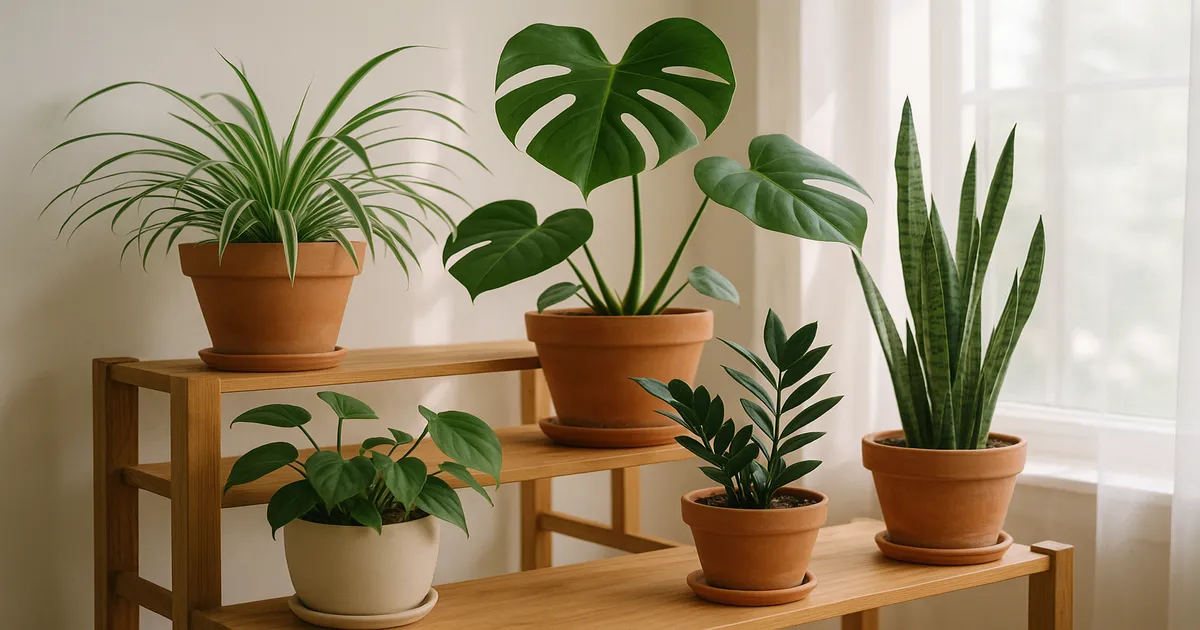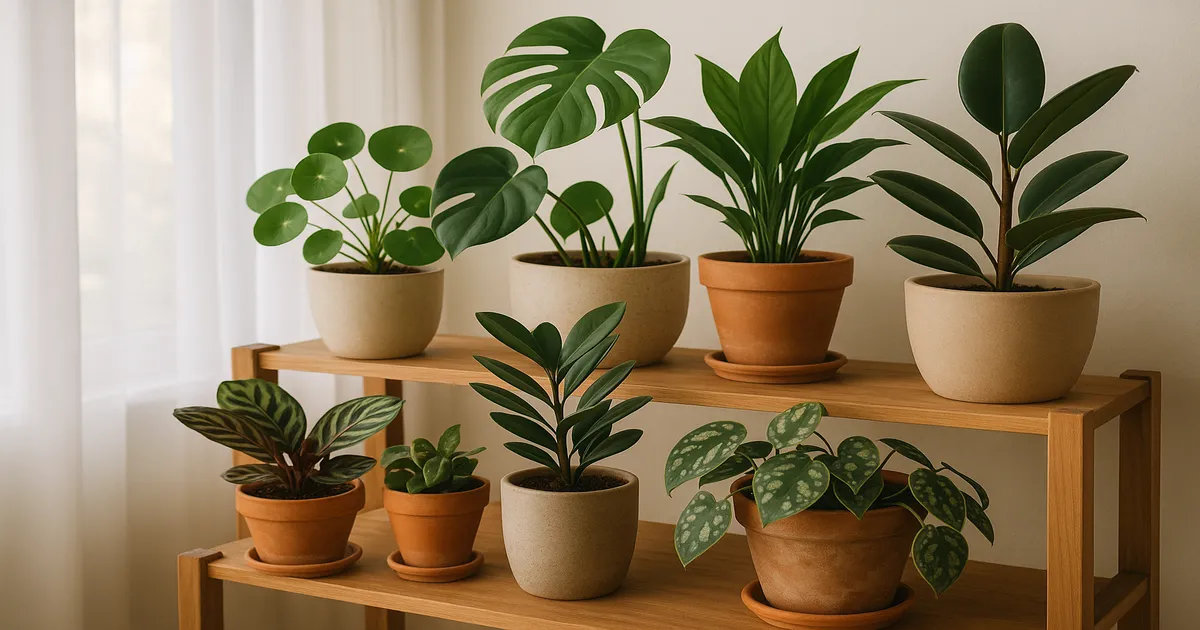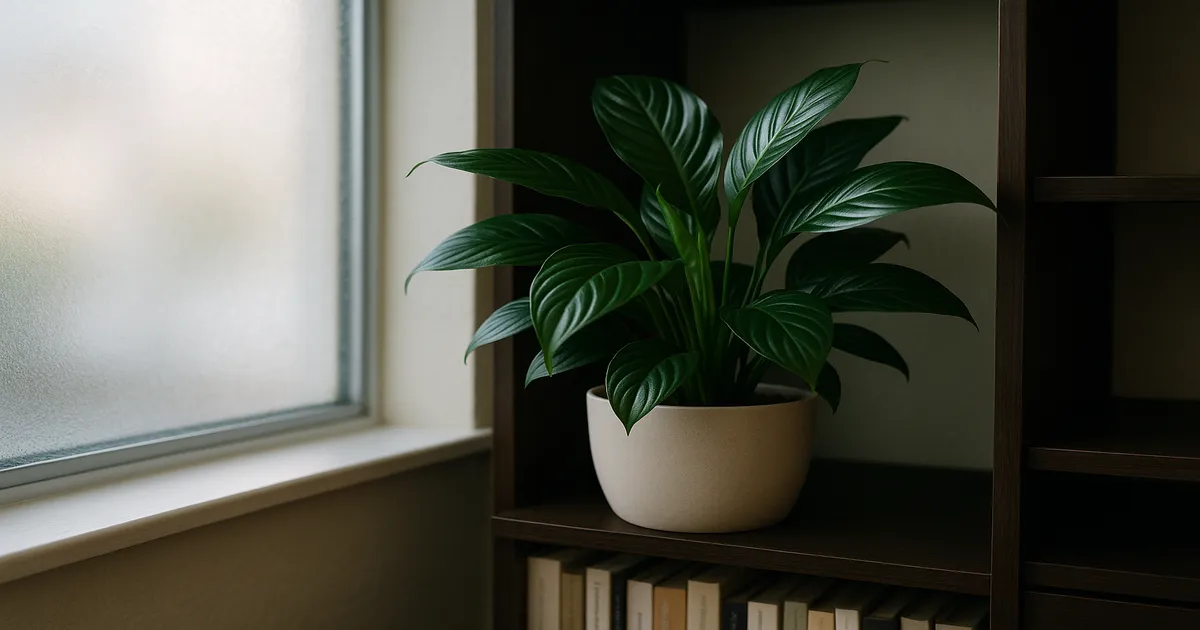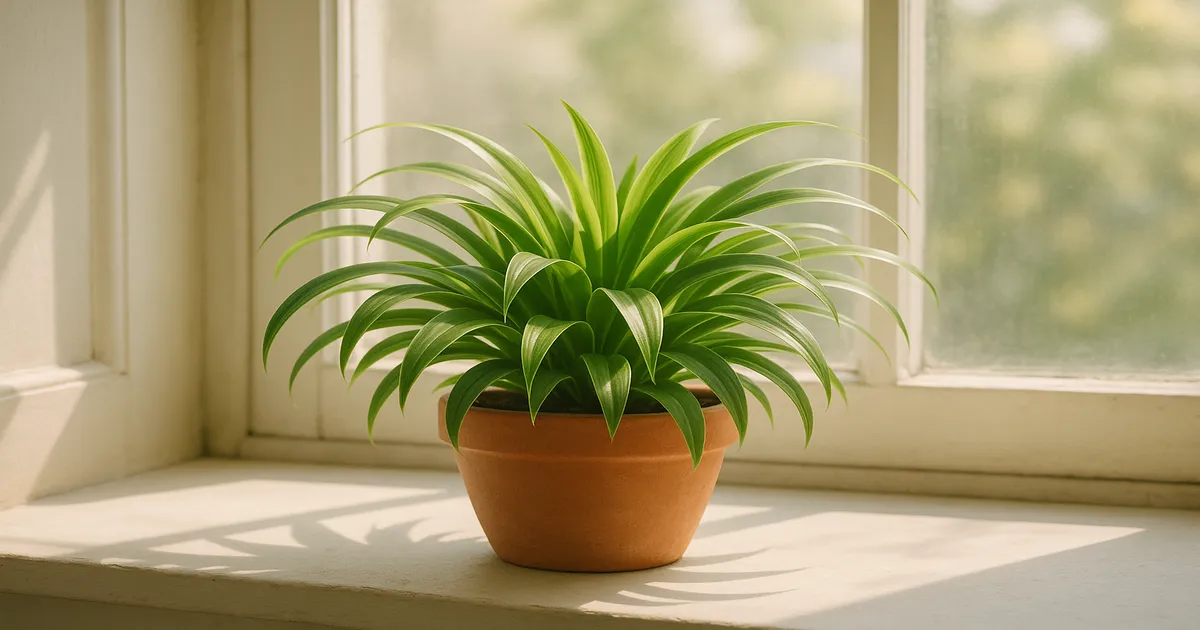
Quick Answer: Whether plants will survive with your window depends almost entirely on which direction it faces. South-facing windows offer the most light, north-facing the least, and east or west windows fall comfortably in between. Almost any window can support some plant — the key is matching species to the light you actually have, not the light you wish you had.
Will Plants Survive With Your Window? The One-Minute Assessment
Stand at your window at midday on a clear day. Which direction does it face? That single fact tells you more about your plant’s chances than soil type, pot size, or watering schedule combined. Window orientation is the master variable — everything else adjusts around it.
If you don’t know your window’s direction, a free compass app on your phone solves that in seconds. Once you know, the table below gives you a realistic starting point.
Light Requirements at a Glance by Window Direction
| Window Direction | Common Light Term | Typical Foot-Candles | Best Plant Categories |
|---|---|---|---|
| South-facing | Bright direct to bright indirect | 2,000–8,000+ fc | Cacti, succulents, fruiting plants |
| East-facing | Gentle morning direct | 500–2,500 fc | Ferns, orchids, pothos, peace lily |
| West-facing | Warm afternoon indirect | 1,000–3,500 fc | Monsteras, hoyas, spider plants |
| North-facing | Low to very low indirect | 25–500 fc | ZZ plant, cast iron plant, snake plant |
The reassuring truth: virtually no window is hopeless. Even a north-facing window can sustain genuinely tough low-light plants. And if your natural light falls short, supplemental grow lights fill the gap more affordably than ever.
How Window Direction Determines Whether Plants Survive
South-Facing Windows: High Light for Sun-Lovers
A south-facing window is the gold standard for houseplant light in the Northern Hemisphere. Expect bright direct to bright indirect light — roughly 2,000–8,000+ foot-candles (21,500–86,000+ lux) — for most of the day. In summer this can feel almost outdoor-intense; in winter the sun angle drops but the window still outperforms every other direction.
This is the window for cacti, succulents, Ficus lyrata (fiddle-leaf fig), and Euphorbia trigona. If you’re above 45°N latitude — think Seattle, Minneapolis, or most of the UK — temper expectations slightly in winter, but a south window remains your best asset year-round.
East-Facing Windows: Gentle Morning Light
East windows deliver cool, gentle morning sun (500–2,500 foot-candles / 5,400–26,900 lux) that fades to soft indirect light by early afternoon. This is one of the kindest light environments for houseplants — bright enough for a wide range of species, but never harsh enough to scorch foliage.
Ferns, orchids, pothos, peace lilies, and most hoyas are right at home here. Above 45°N, east windows produce meaningful direct sun only during summer mornings, so lean toward medium-light-tolerant species if you live at higher latitudes.
West-Facing Windows: Warm Afternoon Brightness
West windows are the east window’s warmer, slightly more intense sibling. They deliver moderate to bright indirect light (1,000–3,500 foot-candles / 10,800–37,700 lux) in the afternoon, often with a few hours of direct sun in summer. One caveat: afternoon light raises windowsill temperatures significantly — sometimes above 95°F (35°C) on hot days — so keep heat-sensitive species a foot or two back from the glass.
Monstera deliciosa, spider plants, and most hoyas thrive here. It’s also a solid spot for plants that need just a bit more intensity than an east window provides.
North-Facing Windows: Low Light, Limited Choices
North-facing windows receive no direct sun and top out at low to very low indirect light (25–500 foot-candles / 270–5,400 lux). That’s not nothing — but it rules out the majority of popular houseplants. The species that genuinely cope here are Zamioculcas zamiifolia (ZZ plant), Aspidistra elatior (cast iron plant), Sansevieria trifasciata (snake plant), and darker-leaved Aglaonema varieties.
“Low-light tolerant” means surviving at 25–150 foot-candles, not thriving. No plant does well in zero light. If your north window is also partially obstructed by a tree or overhang, supplemental lighting stops being optional.
How to Measure the Light in Your Window
Foot-Candles, Lux, and PPFD: Which Unit Matters?
Foot-candles (fc) and lux both measure illuminance — how bright a surface appears. They’re the same thing at different scales (1 fc ≈ 10.76 lux). For practical houseplant decisions, foot-candles are the most commonly referenced unit in horticultural guides.
PPFD (µmol/m²/s) measures Photosynthetically Active Radiation — the specific wavelengths (400–700 nm) plants actually use for photosynthesis. It’s the most scientifically precise unit but requires a dedicated PAR meter. For most hobbyists, foot-candles are accurate enough.
A simple reference:
- Under 100 fc — Very low light (north window, deep interior)
- 100–500 fc — Low light (north window, or 6+ feet from any window)
- 500–2,000 fc — Medium light (east or west window)
- 2,000+ fc — Bright/direct light (south window, unobstructed)
Using a Smartphone App or Dedicated Meter
Free apps like Lux Light Meter use your phone’s camera sensor to estimate lux readings. They’re not laboratory-precise, but they’re accurate enough to distinguish a 200 fc spot from a 2,000 fc spot — which is exactly what you need. For more consistent readings, especially in mixed artificial and natural light, a dedicated meter like the Dr.Meter LX1330B is a worthwhile investment.
Take readings at solar noon on a clear day, with the meter held at the exact position the plant will occupy — not at the windowsill if the plant will sit on a shelf three feet back. Human eyes are notoriously bad at judging plant-usable light; a spot that feels “bright” to you may register only 300 foot-candles, which is low light for most popular species.
6 Reasons Your Window Might Be Failing Your Plants
1. Not Enough Light — and the Inverse Square Law
This is the most common problem by a wide margin. When light drops below a plant’s compensation point, it burns stored energy faster than photosynthesis can replenish it — a slow starvation. Symptoms: stretched, weak stems leaning toward the window (etiolation), small new leaves, yellowing of older foliage, failure to flower.
The insight most plant owners miss: doubling your distance from a window reduces light intensity by roughly 75%. A plant at 6 feet gets about one-quarter the light of a plant at 3 feet. Moving closer is often the single most impactful thing you can do — and it costs nothing.
2. Too Much Direct Sun
Excess light overwhelms the photosynthetic machinery and causes visible sunscald. Symptoms: bleached, white, or tan patches on leaves; crispy brown edges; soil drying unusually fast; wilting despite adequate watering. This most often hits shade-lovers placed in a south window without a sheer curtain, or plants moved from dim spots directly into full sun.
3. Seasonal Light Drop
At 40°N latitude, the sun’s angle drops from about 73° at the summer solstice to just 27° in December. A south-facing window delivering 3,000 foot-candles in July may drop to 300 foot-candles in December — a tenfold reduction. Symptoms: plants that thrived all summer suddenly yellow, drop leaves, or develop root rot because owners keep watering at summer rates even though reduced light means reduced water uptake.
4. Low-E Glass and Window Film
Modern energy-efficient Low-E coatings and privacy window films can reduce plant-usable light by 30–50%, even when the window looks perfectly bright to your eye. Human vision peaks at green wavelengths, while plants prioritise red and blue — precisely the wavelengths Low-E coatings often attenuate. Symptoms: etiolation and poor growth in a window that seems bright.
5. Physical Obstructions and Dirty Glass
A large tree canopy, a neighboring building, or a deep porch overhang can reduce interior light by 70–90%. Even dirty glass matters: dust and grime reduce light transmission by 10–30%. Cleaning windows inside and out twice a year — especially before winter — is one of the most cost-effective things you can do for your plants. Symptoms: strong one-sided lean toward the least-obstructed part of the window.
6. Windowsill Microclimate Extremes
Windows create microclimates that stress plants independently of light. Single-pane glass can drop to near freezing in winter, causing chilling injury to tropical species. South-facing windowsills in summer can exceed 95°F (35°C), denaturing plant enzymes. Symptoms: leaf curl, sudden leaf drop, brown edges — often blamed on watering when temperature is the real culprit.
Matching Plants to Your Window
South-Facing Windows
- Cacti and succulents (Cereus peruvianus, Echeveria spp., Aloe vera)
- Fiddle-leaf fig (Ficus lyrata)
- African milk tree (Euphorbia trigona)
- Herbs (basil, rosemary, thyme)
East- and West-Facing Windows
- Monstera deliciosa, Monstera adansonii
- Pothos (Epipremnum aureum) — highly adaptable
- Peace lily (Spathiphyllum wallisii)
- Spider plant (Chlorophytum comosum)
- Most hoya species; orchids (Phalaenopsis spp.) prefer east
North-Facing Windows
- ZZ plant (Zamioculcas zamiifolia)
- Cast iron plant (Aspidistra elatior)
- Snake plant (Sansevieria trifasciata)
- Chinese evergreen (Aglaonema spp. — darker green varieties)
- Dracaena marginata
Don’t Forget Variegated Cultivars
Variegated plants — like Monstera deliciosa ‘Thai Constellation’ or Epipremnum aureum ‘Marble Queen’ — have white or yellow leaf sections that contain no chlorophyll. They need roughly 20–30% more light than the standard green form to compensate. A ‘Marble Queen’ pothos that struggles in a north window may do fine in an east window. Always factor in the cultivar, not just the species.
How to Fix a Window That Doesn’t Give Plants Enough Light
Move the plant closer first. Thanks to the inverse square law, shifting from 6 feet to 3 feet away can quadruple the light intensity. Even 12 inches makes a measurable difference.