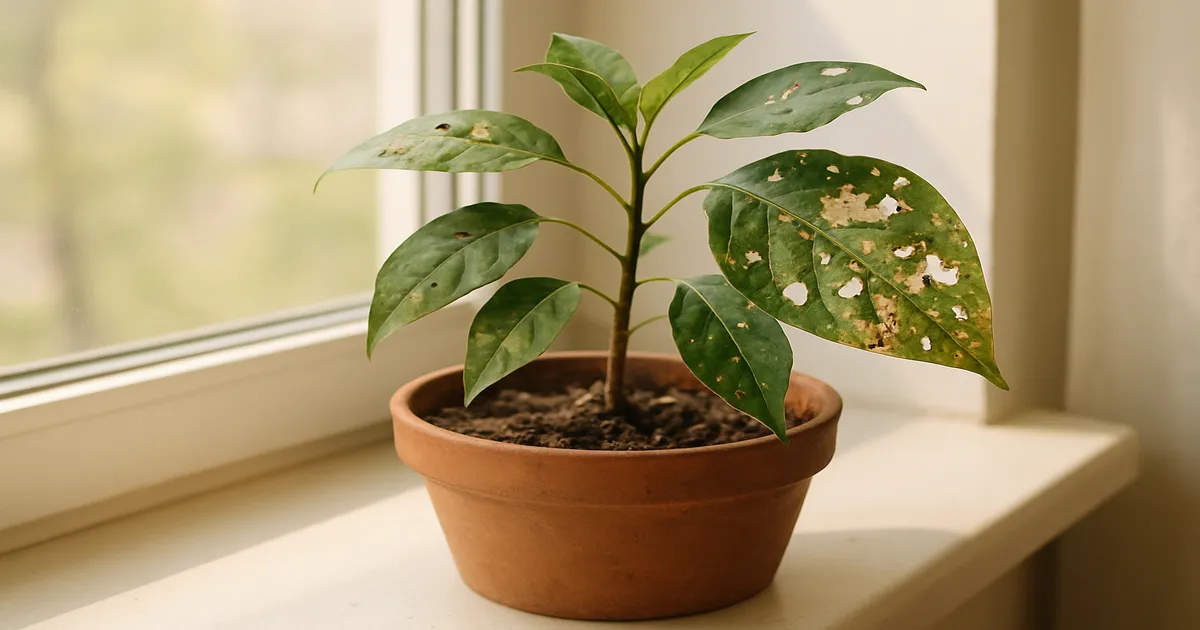
Quick Answer: If your plant is ant infested, the ants themselves are rarely the real problem — they’re a symptom of something else. The most common causes are honeydew-producing pests like aphids or mealybugs, ants nesting in the potting mix, or natural plant secretions attracting foragers. Identify the underlying cause first, and there’s a straightforward fix for each one.
If you’ve found yourself Googling “why is my plant ant infested,” you’re not alone — and the good news is that ants rarely damage plants directly. What they do tell you is that something in or around your plant deserves a closer look. Think of them as an early warning system.
Why Is My Plant Ant Infested? Understanding the Root Cause
Ants don’t feed on plant tissue. They’re drawn to plants for three reasons: a food source, a nesting site, or both. So when you see ants swarming your pothos or clustering on your citrus, the plant itself isn’t what they’re after.
The real damage usually comes from whatever is attracting them — typically sap-sucking insects whose sticky secretions the ants are harvesting, or root disruption from a nest inside the pot.
When Ants Actually Harm Your Plant
Nesting inside a pot is the scenario where ants cause direct damage. As they tunnel through the potting mix, they sever fine root hairs, create air pockets that dry out roots, and compact or loosen the soil unevenly. The result often looks like drought stress — wilting despite adequate water.
Ants also actively protect aphids, mealybugs, and scale insects from predators, which allows pest populations to grow unchecked far faster than they otherwise would.
When Ants Are Harmless
If your outdoor container plant has ants visiting its leaf bases or flower buds with no pest insects present, they may simply be collecting nectar from the plant’s own glands. In that context, they often deter herbivores and cause no harm at all.
The 7 Most Common Reasons Your Plant Has Ants
1. Honeydew-Producing Pests (Aphids, Mealybugs, Scale, Whitefly)
This is the most common cause by a wide margin. Aphids, mealybugs, soft scale, and whiteflies all pierce plant tissue and suck phloem sap, excreting the excess sugars as a sticky liquid called honeydew. Ants are extraordinarily good at finding it.
The relationship is called trophobiosis — ants actively “farm” these insects, stroking their abdomens to stimulate honeydew production and shielding them from predators. This partnership makes both the pest infestation worse and harder to eliminate.
Signs to look for:
- Sticky residue on leaves or the surface below the plant
- Black sooty mold growing on honeydew deposits
- Distorted, curling, or yellowing new growth
- Visible clusters of soft-bodied insects on stems or leaf undersides
- Ants moving in organised trails up and down stems
2. Ants Nesting in the Potting Mix
Loose, well-aerated potting media — especially peat-based or chunky bark mixes — is practically an invitation to species like Lasius niger (Black Garden Ant) and Tapinoma sessile (Odorous House Ant).
Signs to look for:
- Fine granular frass appearing on the soil surface or in the saucer
- Visible entry and exit holes in the potting mix
- Unexplained wilting despite regular watering
- The plant feels loose or wobbly in its pot
3. Extrafloral Nectaries on the Plant
Some plants produce nectar outside their flowers through structures called extrafloral nectaries (EFNs) — small glands on petioles, leaf margins, or stipules. This is entirely natural and evolved as a defence mechanism to attract predatory ants. Common examples include Passiflora spp., Hibiscus spp., and Prunus spp.
Signs to look for:
- Ants concentrated at leaf bases or petioles, not spread across the whole plant
- No visible pest insects anywhere
- No sticky honeydew residue on the leaves themselves
4. Decomposing Organic Matter in the Soil
Potting mix that has been in the pot for two or more years starts to break down. Decomposing bark, compost, and peat create pockets of fungal activity and release volatile organic compounds that omnivorous ant species can detect at very low concentrations. If your soil smells musty or sour, this is likely a factor.
Signs to look for:
- Ants in the soil but no pest insects on the plant
- Musty or sour-smelling potting mix
- White mycelium visible when you dig into the top layer
5. Sweet Residue from Organic Fertilisers
Fish emulsion, kelp extract, molasses-based fertilisers, and worm casting teas all contain sugars and amino acids that chemically resemble honeydew. If ant activity spikes right after feeding day, your fertiliser is the likely culprit.
Signs to look for:
- Ant activity increases noticeably after fertilising
- Ants concentrated on the pot exterior or near drainage holes
- No pest insects visible on the plant
6. Foraging Trails from Nearby Outdoor Colonies
Sometimes your plant isn’t the destination — it’s just in the way. During spring colony expansion, foraging workers can range 10–20 metres from the nest, and a plant near a window or exterior wall becomes a convenient waypoint.
Signs to look for:
- Ants appear to be moving through the plant rather than concentrating on it
- The trail clearly originates from a window gap, door frame, or wall crack
- Activity peaks in spring and early summer
7. Root Exudates and Root Rot
Plant roots constantly release sugars and organic acids into the surrounding soil. When root rot sets in, fermentation byproducts like ethanol and acetic acid add another layer of chemical attractants.
Signs to look for:
- Ants clustered at soil level and around drainage holes
- Plant showing stress symptoms — yellowing, wilting — without obvious pests
- Soil staying wet for unusually long periods
How to Diagnose Which Cause You’re Dealing With
Step 1: Check the plant for pest insects. Use a 10x hand lens and examine leaf undersides, stem nodes, and the soil surface. Look for aphids (tiny, pear-shaped, often green or black), mealybugs (white cottony clusters), scale (brown or tan bumps on stems), or whiteflies (tiny white insects that scatter when disturbed). Even a small colony produces enough honeydew to recruit hundreds of ants.
Step 2: Inspect the soil and pot. Dig gently into the top layer of potting mix. Look for ant chambers, frass, or eggs. Smell the soil — fresh mix has an earthy smell; decomposing or waterlogged mix smells sour or musty. Check the drainage holes for ant activity.
Step 3: Trace the ant trail. Follow it in both directions. If it leads to a gap in a window frame or an exterior wall, you’re dealing with outdoor foragers. If it loops within the room or disappears into the pot, the nest or food source is internal.
Step 4: Review your recent care routine. Did ant activity start after you fertilised? Has the plant been in the same potting mix for two or more years? These timing clues often point directly to the cause.
Quick decision summary:
- Sticky leaves + ants on stems → pest infestation
- Frass on soil + wobbly plant → nesting
- Ants at leaf bases, no pests → extrafloral nectaries
- Musty soil + old mix → decomposing organic matter
- Spike after feeding → fertiliser residue
- Trail from window → outdoor colony
- Ants at drainage holes + stressed plant → root exudates / root rot
How to Get Rid of Ants on an Ant-Infested Plant
Treating Honeydew-Producing Pest Infestations
Treat the pest, and the ants will leave on their own. But interrupt ant access while you treat — ants will actively shield pests from your efforts.
- Physical removal first. Blast the plant with a strong shower of water to knock off aphids. Use cotton swabs dipped in 70% isopropyl alcohol to dab mealybugs and scale directly.
- Insecticidal soap spray applied to all surfaces, especially leaf undersides, every 5–7 days for three to four cycles. A ready-to-use potassium fatty acid formula works well for indoor use. Test on a small leaf area first — some ferns and succulents can show sensitivity.
- Neem oil spray applied at dusk to avoid photodegradation, repeated every 7–10 days. The azadirachtin in neem disrupts insect moulting hormones, making it effective across multiple life stages.
- Block ant access simultaneously using sticky barriers (see Prevention below) so ants can’t reach and protect the pests during treatment.
Evicting Ants Nesting in the Potting Mix
The fastest non-chemical fix is the submerge method: place the pot in a bucket of lukewarm water for 15–20 minutes. Ants will evacuate. This buys time but won’t prevent them from returning.
For a lasting solution, repot completely. Remove all old mix, rinse the roots gently under lukewarm water, trim any blackened or mushy sections with sterile scissors, and repot into fresh sterile mix. A quality peat-free potting blend drains well and is less hospitable to nesting.
- Diatomaceous earth top-dressing: Apply a 1–2 cm layer of food-grade diatomaceous earth on the soil surface. The fine silica particles damage ant exoskeletons on contact. Reapply after watering.
- Beneficial nematodes (Steinernema feltiae): Water into moist potting mix at temperatures above 15°C (59°F). They parasitise ant larvae in the soil with no harm to the plant.
Managing Extrafloral Nectary Attraction
Nothing is wrong here — the plant is doing exactly what it evolved to do. Wipe the nectary sites periodically with a damp cloth to remove accumulated secretions, and use physical barriers rather than any chemical treatment.
Fixing Decomposing Soil and Fertiliser Issues
Replace old potting mix with a fresh, less organically dense medium. Top-dress with 2–3 cm of horticultural grit or coarse sand to create an inhospitable surface layer. For fertiliser residue, switch to a slow-release granular mineral fertiliser, water thoroughly after every feeding session, and wipe down pot rims and saucers after application.
Blocking Entry from Outdoor Colonies
Seal window frames, door gaps, and wall penetrations with silicone caulk. For the colony itself, slow-acting borax-based bait stations placed near the colony entrance are highly effective — workers carry the bait back to the queen, achieving colony-level control without broadcast spraying.
Addressing Root Rot
Unpot the plant and inspect the roots. Healthy roots are white to tan and firm; rotted roots are brown or black and mushy. Trim all affected material with sterile scissors, dust cut surfaces with powdered cinnamon as a mild antifungal, and repot in a well-draining mix with 20–30% added perlite.
Use a soil moisture meter and aim for a reading of 3–4 on a standard 1–10 scale before rewatering. Most tropical houseplants need the top 25–50% of soil to dry out between waterings.
How to Prevent Ants from Returning
Physical barriers are your first line of defence:
- Sticky tanglefoot tape around pot legs or shelf supports creates a barrier ants can’t cross. Reapply every 4–6 weeks or when it collects debris.
- The moat method: Place pots in saucers filled with water and add a single drop of dish soap to break surface tension. Simple, chemical-free, and effective.
- Diatomaceous earth sprinkled around grouped pots on shelves adds another layer of protection.
Cultural habits that make a real difference:
- Inspect every new plant thoroughly before bringing it indoors, and quarantine new arrivals for 2–4 weeks in a separate room. This single habit catches the majority of pest introductions before they establish.
- Always use sterile, pasteurised potting mixes rather than garden soil, which can introduce both pests and ant colonies directly.
- Repot plants every 1–2 years to prevent organic matter from breaking down to the point where it attracts foragers.
Which Plants Are Most Prone to Ant Infestations?
Plants that push out tender, fast-growing shoots are prime targets for aphids and mealybugs — and therefore for the ants that follow. High-risk genera include Hibiscus, Gardenia, Citrus, and Ficus. Regular inspection of new growth on these plants is non-negotiable.
Plants with extrafloral nectaries — Passiflora, Hibiscus, Prunus, and some Ficus and Acacia species — will naturally attract ants as part of their biology. Outdoors, this is largely beneficial. Indoors, it simply means physical barriers are more useful than chemical treatments.
Any pot on a patio, balcony, or near an entry point sits within easy foraging range of established outdoor colonies and needs the most vigilant monitoring, especially from spring through early summer.
Frequently Asked Questions
Why is my plant ant infested all of a sudden?
A sudden surge usually points to one of three things: a new pest infestation producing honeydew, ants moving a colony into the potting mix, or a recent application of organic fertiliser. Check the plant carefully for sticky residue or visible insects, and think back to whether ant activity started after a feeding session or a change in the plant’s location.
Do ants damage plants directly?
Rarely, but it does happen. Ants don’t feed on plant tissue, but when they nest inside a pot they can sever fine root hairs, create drying air pockets, and disrupt the root zone enough to cause wilting and stress. Their bigger indirect impact is protecting sap-sucking pests from natural predators, allowing those populations to grow far faster than they otherwise would.
Can I use cinnamon to get rid of ants on my plants?
Cinnamon can disrupt ant scent trails temporarily and has mild antifungal properties that are useful when treating root rot. However, it won’t eliminate an established colony or a pest infestation. Use it as a supplementary measure — dusted lightly on the soil surface — rather than a standalone solution.
What is the white sticky stuff on my plant that is attracting ants?
That’s almost certainly a combination of honeydew (the sugary excretion from sap-sucking insects) and mealybugs or their egg masses. Mealybugs look like small white cottony clusters, particularly in leaf axils and along stems. The honeydew itself is clear and sticky; the white fluff is the insects. Treat with 70% isopropyl alcohol on a cotton swab and follow up with insecticidal soap spray.
How do I get rid of ants in a potted plant without harming the plant?
The safest immediate method is the submerge technique: place the pot in a bucket of lukewarm water for 15–20 minutes to drive ants out. Follow up by top-dressing the soil with food-grade diatomaceous earth to deter re-entry, and address whatever attracted the ants in the first place — pests, old soil, or fertiliser residue — so they have no reason to return.